

Estimated reading time: 7 minutes
Table of contents
- Minnesota Cannabis Expungement: Three Ways Records Are Sealed
- Filing a Petition Yourself
- What Sealing Does and Does Not Do
- Checking Whether Your Cannabis Record Was Sealed
- The Attorney General’s Clean Slate Clinics
- Cannabis Records and Minnesota Social Equity Status
- Minnesota Cannabis Expungement FAQs
- Additional Resources
- Free eBooks For Cannabis Business Success
- Latest Articles
Cliff Notes: Minnesota cannabis expungement in 2026
Minnesota cannabis expungement now happens largely without an application. The routes as of October 2026:
- Automatic cannabis expungement: qualifying cannabis records were expunged from the BCA’s criminal history system in May 2024; the BCA plans a 2026 review of records that were still in court at the time.
- Cannabis Expungement Board: reviews felony marijuana and THC convictions and presumes expungement unless clear and convincing evidence shows a public safety risk.
- Clean Slate Act: automatic sealing for eligible offenses since January 1, 2025; the BCA reports about 98% of eligible records expunged or under judicial review as of September 8, 2026.
- Petition: filing your own petition costs $300 per offense unless the court waives it; qualifying through the Attorney General’s office avoids the fee.
- Sealed, not erased: courts, prosecutors, law enforcement and some employment background checks can still see a sealed record.
Updated October 4, 2026, from Minn. Stat. §§609A.015, 609A.055 and 609A.06, the BCA and the Minnesota Attorney General’s office.

Minnesota Cannabis Expungement: Three Ways Records Are Sealed
| Route | Which records | How it works |
|---|---|---|
| Automatic cannabis expungement (Minn. Stat. §609A.055) | Non-felony marijuana possession and sale records, plus dismissed cannabis charges | The BCA grants relief and seals its records without an application, petition or motion, then notifies the courts, which seal related records. The BCA expunged qualifying records in May 2024. |
| Cannabis Expungement Board (Minn. Stat. §609A.06) | Felony convictions for marijuana or THC under sections 152.021 to 152.025 | The BCA identifies eligible convictions and the board reviews them without an application. The board decides whether to vacate the conviction or recommend resentencing to a lesser offense, and the court then issues the sealing order. Expungement is presumed to be in the public interest unless clear and convincing evidence shows a public safety risk. |
| Clean Slate Act (Minn. Stat. §609A.015) | Hundreds of eligible offenses and dispositions, not only cannabis | Automatic sealing began January 1, 2025. The BCA reports that about 98% of eligible records had been expunged or were under judicial review as of September 8, 2026. |
Sources: Minnesota Statutes chapter 609A and the BCA Expungements page, read October 4, 2026.
For a felony to qualify for board review, the offense must not have involved a dangerous weapon or bodily harm, and the conduct must be a lesser offense or no longer a crime after August 1, 2023 (Minn. Stat. §609A.06).
Filing a Petition Yourself
If your record does not qualify for an automatic route, you can petition the court for expungement. Filing directly costs $300 for each offense unless the court waives the fee based on income. If you apply through the Minnesota Attorney General’s office and qualify, you do not pay the filing fee and do not file court paperwork yourself (Minnesota Attorney General, Clean Slate). The Minnesota Judicial Branch explains the petition process step by step (Criminal Expungement FAQs).
What Sealing Does and Does Not Do
- Sealed, not destroyed: an expungement order seals the record so it is not publicly available; the record still exists.
- Who can still see it: courts, prosecutors and law enforcement for investigations, prosecution and sentencing, and some employment background checks, such as for criminal-justice, human-services and Department of Education jobs (Minnesota Judicial Branch expungement FAQ).
- Prior offenses: where the law allows, a sealed record can still count as a prior offense when charging or sentencing a new one.
- A court order seals it: with a petition, a judge decides your case; in the automatic routes, the BCA or the board identifies the record and the court seals it without a hearing.
These points summarize the Attorney General’s Clean Slate guidance; check your own case with the agency that holds the record.
Checking Whether Your Cannabis Record Was Sealed
- Request your Minnesota criminal history record from the BCA through its data request process (BCA Expungements).
- Check court records with the district court that handled the case; the BCA notes that judicial branch records are separate from its own.
- Watch for the 2026 BCA review of cannabis records that were still in the court process when the May 2024 expungements ran.
- Ask about felony review on the Cannabis Expungement Board’s own website if your conviction was a felony.
The Attorney General’s Clean Slate Clinics
The Minnesota Attorney General’s office has held Clean Slate clinics around the state to help people seal records, including Saint Paul and Moorhead in 2024 and Minneapolis, Columbia Heights, Westside St. Paul, Duluth and Rochester in 2025. Upcoming clinic dates are posted on the Attorney General’s Clean Slate page. This guide is general information, not legal advice; for your own record, check with a lawyer or the Attorney General’s Clean Slate team.
Cannabis Records and Minnesota Social Equity Status
A cannabis or marijuana possession or sale conviction before May 1, 2023, yours or a close family member’s, is one of the criteria for social equity status in Minnesota’s licensed market. Our Minnesota cannabis social equity guide covers the criteria and OCM’s free verification process. If your record has been sealed, ask OCM which documents it will accept before you apply.
If you are planning a licensed cannabis business, see our Minnesota cannabis consulting page for ownership and licensing rules, or book a Minnesota consultation.
Minnesota Cannabis Expungement FAQs
Qualifying cannabis records were expunged from the BCA’s criminal history system in May 2024 without an application. Felony convictions go to the Cannabis Expungement Board instead.
It reviews felony marijuana and THC convictions and decides whether to vacate the conviction or recommend resentencing; the court then seals the records. Expungement is presumed to be in the public interest unless clear and convincing evidence shows a public safety risk.
A law that has automatically sealed records for eligible offenses since January 1, 2025. The BCA reports about 98% of eligible records expunged or under judicial review as of September 8, 2026.
Filing a petition yourself costs $300 per offense unless the court waives the fee. If you apply through the Attorney General’s office and qualify, you do not pay the filing fee.
No. Expungement seals the record; courts, prosecutors, law enforcement and some employment background checks can still access it.
Request your Minnesota criminal history record from the BCA and check with the district court that handled your case.
A cannabis possession or sale conviction before May 1, 2023, yours or a close family member’s, is one of the criteria for social equity status. Verification through OCM is free.
Additional Resources
- Catalyst BC in Minnesota
- Minnesota Cannabis Social Equity Verification Guide
- MN Cannabis License Options for 2026–2027
- Catalyst BC Experience
Free eBooks For Cannabis Business Success




Latest Articles
- How Much Does It Cost to Open a Dispensary in 2026?
 The allure of jumping into the legalized cannabis industry often paints a picture of quick riches and burgeoning demand, yet the reality of establishing a licensed cannabis dispensary is far more nuanced, capital-intensive, and fraught with unique financial challenges. For aspiring entrepreneurs and seasoned investors alike, understanding the true dispensary startup costs is the absolute bedrock of success.
- Virginia Cannabis Facility Design & Build-Out for the 2027 Market
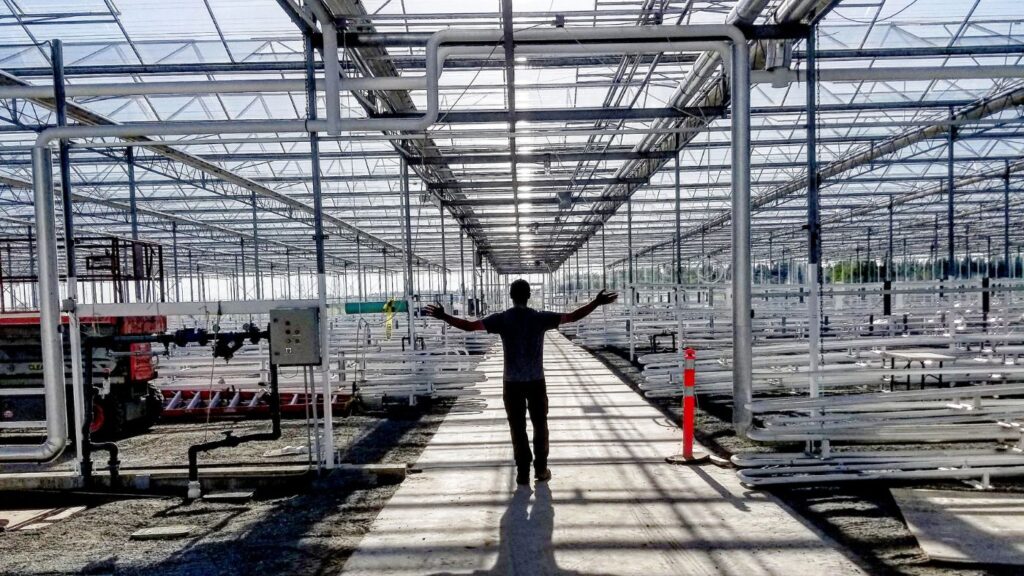 This guide covers the major considerations involved in planning and building a Virginia cannabis facility, with a focus on retail and cultivation operations and additional considerations relevant to processors and microbusinesses. It is written from the build side of the business, because that is where many otherwise-strong applicants stumble: they underestimate utility needs, local approvals, security infrastructure, commissioning, and the time required to convert a site into an inspection-ready operation.
- Virginia Dual-Use Cannabis Conversion (2027): The $10M Medical-to-Adult-Use Pathway
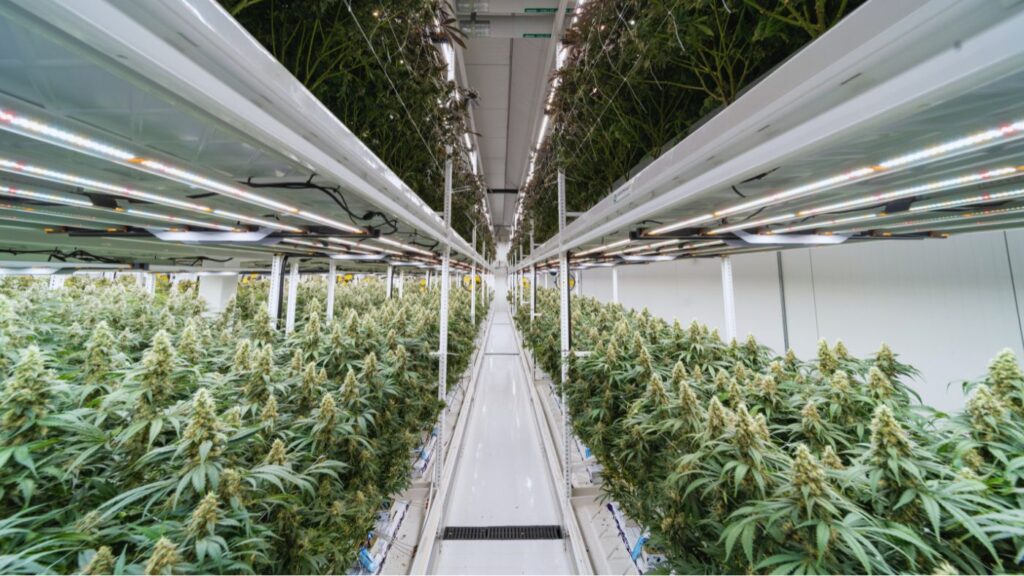 For Virginia’s existing medical cannabis operators, the 2026 retail framework created a distinct and high-stakes transition: pharmaceutical processors may apply for verification to exercise dual-use privileges and serve both registered medical patients and adult-use customers. The pathway covers the processor and its permitted cannabis dispensing facilities, and it carries a one-time $10 million fee, a required medical cannabis program preservation plan, an impact-licensee business accelerator commitment, and a firm May 1, 2027 payment or installment-plan deadline.
- Virginia Impact Cannabis License (2027): Social Equity & the Equity Business Loan Fund
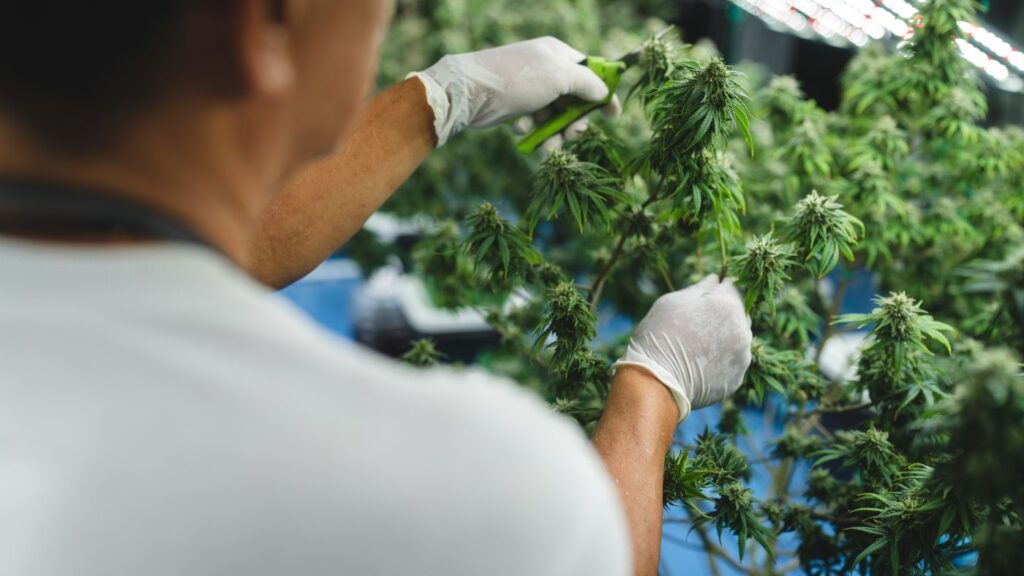 Virginia’s adult-use cannabis framework creates a meaningful pathway for applicants from communities and backgrounds affected by cannabis prohibition and enforcement. The law does not create a separate, stand-alone impact license. Instead, it creates an impact-licensee designation that qualifying applicants may pursue alongside an underlying marijuana establishment license, such as retail, cultivation, processing, microbusiness, transportation, delivery, or testing.
- Virginia Cannabis Microbusiness License (2027): Eligibility & the Two-Location Model
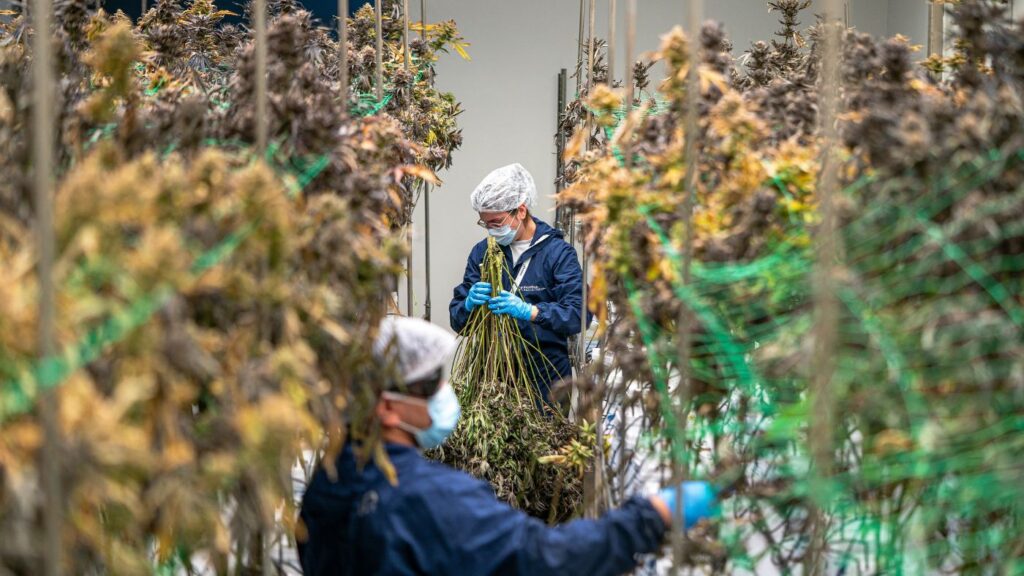 This guide explains the initial eligibility pathways for the licenses the CCA may issue by May 1, 2027, the difference between a microbusiness license and an impact designation, the indoor and outdoor cultivation limits, the precise rules governing two locations, and the financial, security, and operational readiness standards applicants should prepare to demonstrate. Several implementation details – including fees and the specific combination of privileges the CCA will authorize – still depend on forthcoming regulations.
- Virginia Cannabis Cultivation License (2027): The Tiered System Explained
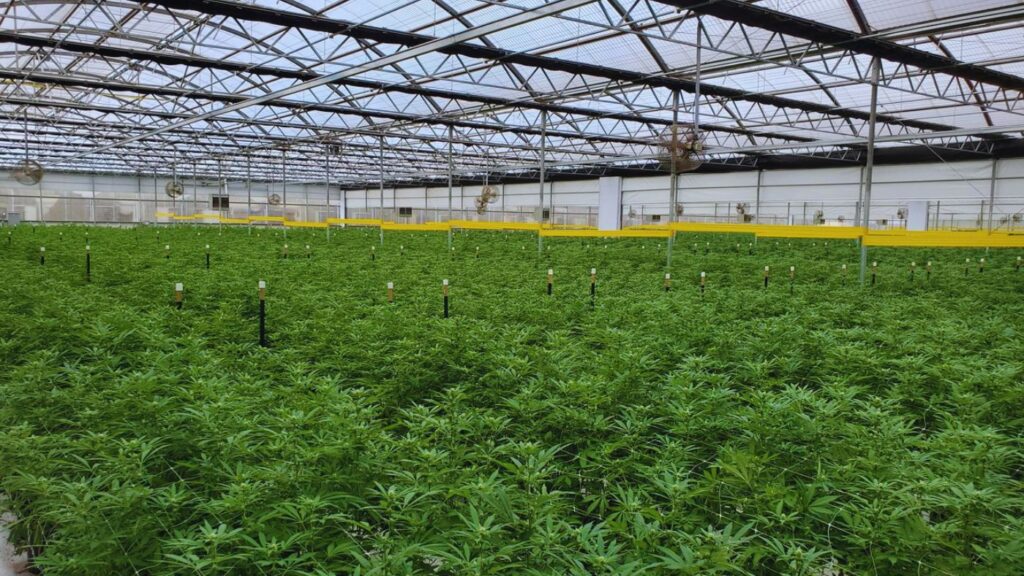 For operators whose strength is growing cannabis, Virginia’s emerging adult-use market presents a significant opportunity – and a cultivation license is the gateway to it. The June 2026 framework authorizes the Virginia Cannabis Control Authority (CCA) to begin accepting license applications on or after February 1, 2027 and issuing licenses on or after May 1, 2027. It also establishes five cultivation tiers with maximum canopies ranging from 5,000 to 35,000 square feet.