
Estimated reading time: 10 minutes
Table of contents
- Why Environmental Control Defines Cannabis Success
- The Building Blocks of Cannabis HVAC Systems
- Indoor Cultivation & Environmental Physics
- Humidity Control: Beyond the Basics
- Energy Efficiency: ROI, Cost Savings & Sustainability
- Cannabis Compliance Standards & HVAC
- Worker & Community Health
- Innovation & Future Trends in Cannabis HVAC
- Choosing the Right Cannabis HVAC Partner
- Building Your Competitive Advantage with Fine Tuned Cannabis HVAC Systems
- Cannabis HVAC Systems FAQs
- Additional Resources
- Free eBooks For Cannabis Business Success
- Latest Articles
Cliff Notes: Understanding the critical components of cannabis HVAC systems
Objective: Effective cannabis HVAC systems are essential for plant health, compliance, and long-term profitability. By investing in the right cannabis climate control solutions, growers can optimize yields, reduce energy use, and meet state regulations.
Key Components:
- Cannabis HVAC systems are central to healthy plant growth and compliance.
- Grow room HVAC systems manage temperature, airflow, and humidity.
- Indoor cannabis cultivation relies on specialized environmental controls.
- Energy efficiency in cannabis facilities drives profitability.
- Cannabis facility compliance ensures safe, legal operations.
- Humidity control in cannabis cultivation prevents mold and protects yields.
Don’t let outdated or poorly designed cannabis HVAC systems put your grow at risk. Our cannabis HVAC consultants help cultivators devise solutions to retrofit older buildings, modernize existing HVAC architecture, or guide HVAC implementation in new construction to future-proof your grow operations. Contact us today to learn more.
Why Environmental Control Defines Cannabis Success
Indoor cannabis cultivation is one of the most energy- and compliance-intensive agricultural practices in the world. Success depends on far more than genetics, nutrients, or lighting—it hinges on precise environmental control. A facility’s ability to manage airflow, temperature, humidity, and filtration determines not only crop quality, but also profitability, compliance standing, and investor confidence.
Unlike traditional commercial HVAC, Cannabis HVAC Design requires specialized engineering that balances plant biology, compliance mandates, and community concerns. According to the U.S. Department of Energy (DOE), HVAC can account for up to 50% of total energy use in indoor agriculture, with cannabis facilities often ranking among the most energy-intensive per square foot. The National Renewable Energy Laboratory (NREL) reports that cannabis cultivation consumes 10–20 times more energy per square foot than a standard office building.
For regulators, investors, and local communities, HVAC systems are viewed as a marker of professionalism and sustainability. A well-designed HVAC infrastructure signals that a cannabis business can scale responsibly, minimize environmental impact, and safeguard both employees and consumers.
The Building Blocks of Cannabis HVAC Systems
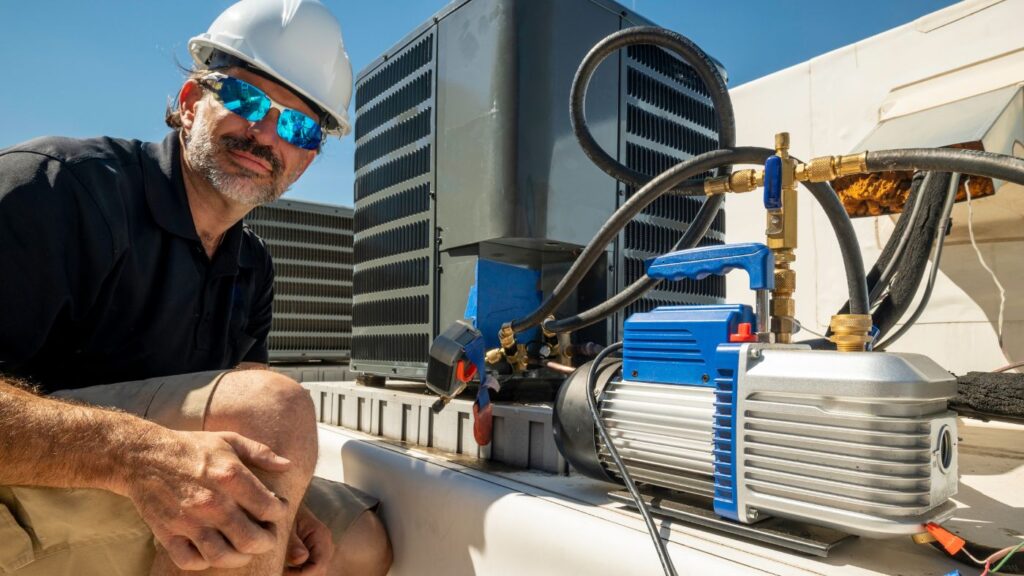
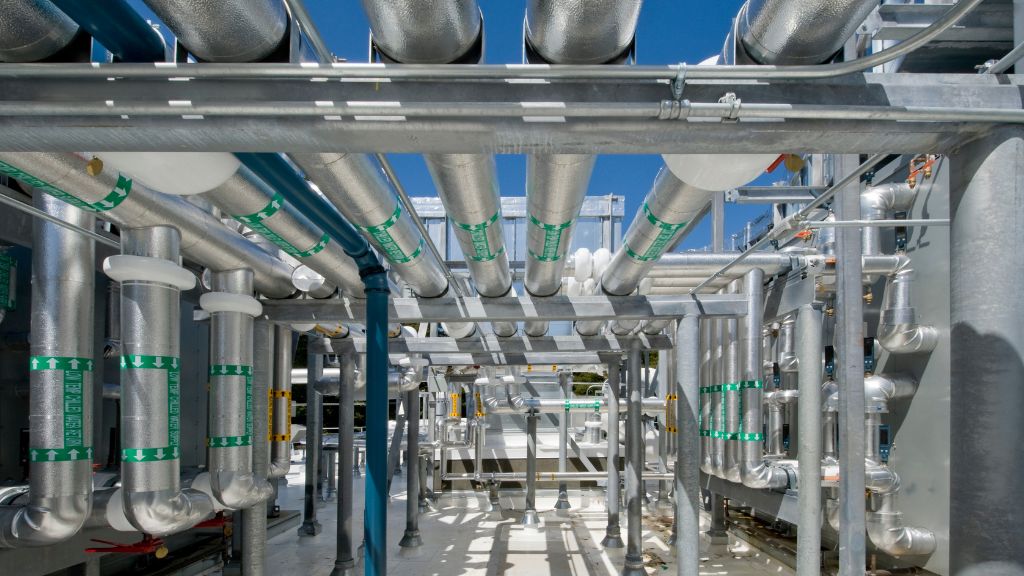
A modern cannabis facility’s HVAC system is far more than air conditioning—it’s an integrated environmental engine that dictates yields, costs, and compliance outcomes. Cannabis facility engineering requires balancing several core components:
- Cooling Loads: Cannabis facilities generate heat not only from lighting but also from equipment and plant transpiration. Engineers must calculate sensible (temperature-based) and latent (moisture-based) loads, which are far more complex than standard commercial spaces.
- Filtration Systems: Airborne pathogens like powdery mildew spores and botrytis require multi-stage filtration, including HEPA filters, activated carbon for odor mitigation, and antimicrobial coatings.
- Redundancy Systems: Crop loss from HVAC failure can equal millions in lost revenue. Redundancy (backup chillers, fans, and controls) ensures compliance and crop security.
- Custom Load Calculations: Off-the-shelf HVAC systems often fail in cannabis environments. Each cultivation space requires customized calculations that account for plant density, lighting wattage, local climate, and air exchange needs.
Without these considerations, operators risk higher energy bills, failed inspections, and environmental instability that damages crop health.
Indoor Cultivation & Environmental Physics
At the core of cannabis HVAC engineering lies plant physiology.
- Transpiration Rates: Cannabis plants release significant amounts of water vapor through their leaves. A 10,000-square-foot canopy can release over 2,000 gallons of water per day into the air. If HVAC systems fail to manage this moisture, relative humidity spikes, creating conditions for mold and pathogens.
- Vapor Pressure Deficit (VPD): VPD measures the difference between actual moisture in the air and the maximum moisture air can hold. Maintaining optimal VPD ensures strong nutrient uptake, healthy photosynthesis, and reduced mold risk. Cannabis HVAC systems must dynamically regulate humidity and temperature to keep VPD stable.
- Microclimate Zoning: Conditions vary at canopy, mid-level, and ceiling height. Without zoning strategies, upper canopy areas may overheat while lower leaves remain too damp. Microclimate zoning with specialized ducting and sensors ensures consistent growth across the room.
This integration of physics and plant biology underscores why indoor air quality in cannabis facilities requires more than standard HVAC—it demands purpose-built environmental engineering.
Humidity Control: Beyond the Basics
Humidity is the single most volatile factor in cannabis cultivation. Effective cannabis moisture management requires both short-term and long-term strategies:
- Short-Term Fluctuations: Daily plant watering spikes humidity. HVAC systems must react in minutes, not hours, to prevent imbalances.
- Long-Term Balancing: Seasonal shifts in ambient humidity impact overall facility loads. Systems must adjust capacity for dry winters versus humid summers.
Dehumidification Methods
- Mechanical Dehumidification: Uses cooling coils to condense water vapor, reliable for medium-scale grows.
- Desiccant-Based Systems: Use moisture-absorbing materials to handle extreme humidity loads, particularly effective in large facilities or humid climates.
Risks of Improper Humidity Control
- Powdery Mildew: High humidity at night or during flowering stages can devastate crops.
- Botrytis (Bud Rot): Flourishes in environments with poor vapor control, often leading to large-scale product loss.
- Crop Recalls: Facilities that fail to meet cannabis compliance standards risk recalls, regulatory fines, and permanent damage to brand reputation.
Humidity control isn’t optional—it’s a compliance and profitability safeguard.
Energy Efficiency: ROI, Cost Savings & Sustainability
Energy costs can make or break cannabis operators. Optimized cannabis energy management strategies not only save money but also strengthen community relationships and investor trust.
- Efficiency Gains: Properly engineered HVAC systems can reduce energy consumption by 20–40% compared to outdated systems.
- Peak Load Shaving: Demand-based cooling and load management strategies reduce costly peak energy charges.
- HVAC-Lighting Synchronization: Since lighting drives transpiration and heat loads, synchronized HVAC reduces wasted energy.
Case Example
- Outdated Facility: A 50,000 sq. ft. grow with inefficient HVAC spends $2.5M annually on energy.
- Optimized Facility: After upgrading to advanced HVAC, energy costs dropped to $1.7M—saving $800,000 per year.
The ROI from upgrading HVAC isn’t theoretical—it’s one of the fastest ways for operators to reclaim profitability.
Cannabis Compliance Standards & HVAC
HVAC systems sit at the intersection of compliance and operations. Regulators often scrutinize environmental control systems during licensing and renewal inspections.
Key compliance areas include:
- Air Quality Reporting: Facilities must demonstrate clean air circulation that prevents microbial contamination.
- Odor Mitigation: Activated carbon systems and negative pressure rooms are often required by municipal codes.
- Energy Audits: Some states require proof of energy efficiency improvements as part of sustainability mandates.
- Penalties: Non-compliance can lead to fines, license suspension, or shutdowns. For example, facilities that fail odor control in Colorado risk daily fines up to $15,000.
Compliance isn’t just a legal checkbox—strong HVAC systems are what keep operations legally viable.
Worker & Community Health
Cannabis HVAC systems also protect the health of workers and surrounding communities.
- CO₂ Enrichment: Common in grow rooms to accelerate photosynthesis, CO₂ enrichment must be precisely managed to avoid worker safety risks. OSHA standards require continuous monitoring and ventilation safeguards.
- Mold & Allergen Control: Poor humidity management exposes employees to respiratory risks, increasing liability and reducing workforce morale.
- Community Odor Control: Negative air pressure and carbon filtration reduce odor complaints that can trigger community opposition and regulatory backlash.
Protecting people is as important as protecting plants—and regulators are increasingly monitoring this aspect.
Innovation & Future Trends in Cannabis HVAC
The future of cannabis HVAC lies in smarter, more adaptive technology:
- IoT Sensors: Provide real-time monitoring of VPD, humidity, and airflows.
- AI & Predictive Maintenance: Machine learning predicts failures before they happen, reducing downtime and crop risk.
- Modular HVAC Pods: Scalable units for microbusinesses and startups allow small operators to access efficiency without overinvesting.
- Climate-Specific Designs: Arid regions like Nevada require humidity retention, while humid climates like Florida require robust dehumidification.
Operators who invest early in innovation gain long-term competitive advantages in both efficiency and compliance.
Choosing the Right Cannabis HVAC Partner
Selecting the right partner can determine whether a cannabis facility thrives or fails.
Questions to Ask Your Cannabis HVAC Consultant:
- Do they specialize in cannabis facility engineering or are they a general contractor?
- How do they address compliance with cannabis air quality standards and odor control regulations?
- Can they provide ROI models for cannabis energy management?
- Do they integrate HVAC design with lighting, fertigation, and facility workflows?
- What redundancy strategies do they build into their systems?
Risks of Using a Generalist Contractor
A generalist HVAC contractor may understand commercial projects but fail to anticipate the unique biological and regulatory demands of cannabis. The result: inconsistent yields, failed inspections, and higher long-term costs. Only a cannabis-focused HVAC design consultant can deliver systems built for the realities of cultivation.
Building Your Competitive Advantage with Fine Tuned Cannabis HVAC Systems
At its core, indoor cannabis cultivation is a battle for environmental stability. Indoor air quality in cannabis facilities, humidity balance, energy efficiency, and compliance safeguards all flow from HVAC infrastructure. Operators who treat HVAC as an afterthought will face higher costs, failed inspections, and crop losses.
By contrast, those who invest in specialized Cannabis HVAC Design create not only healthier crops but also stronger business fundamentals. From compliance confidence to investor trust and community acceptance, HVAC is the foundation of competitive cannabis cultivation.
Catalyst BC partners with operators nationwide to design, optimize, and future-proof cannabis HVAC systems. Whether you’re building a new facility or upgrading an existing grow, our expertise in compliance, engineering, and energy management helps you cultivate success from the ground up.
Cannabis HVAC Systems FAQs
Cannabis HVAC systems are specialized heating, ventilation, and air conditioning setups designed for cultivation facilities. They regulate temperature, humidity, and airflow while supporting energy efficiency in cannabis facilities.
They create stable conditions for indoor cannabis growing, including temperature, airflow, and humidity control in cannabis cultivation.
Humidity control prevents mold, improves nutrient absorption, and ensures compliance with cannabis environmental standards.
Cannabis ventilation systems manage odor control and air quality to meet cannabis facility compliance requirements.
They can adopt sustainable cannabis energy use strategies like variable-speed drives, automated systems, and energy recovery ventilation.
They help facilities meet cannabis regulatory compliance for air quality, odor control, and energy reporting.
Yes. They regulate air quality, prevent excessive CO2 buildup, and meet cannabis air quality compliance standards.
They stabilize growing conditions, reduce plant stress, and create efficient grow operations that maximize output.
Yes. They are engineered for heavy moisture loads, higher temperatures, odor control, and cannabis operations compliance.
Catalyst BC specializes in cannabis HVAC systems, compliance strategies, and energy efficiency. We design solutions that optimize plant health, reduce costs, and ensure growers meet regulatory standards.
Additional Resources
Free eBooks For Cannabis Business Success




Latest Articles
- How Much Does It Cost to Open a Dispensary in 2026?
 The allure of jumping into the legalized cannabis industry often paints a picture of quick riches and burgeoning demand, yet the reality of establishing a licensed cannabis dispensary is far more nuanced, capital-intensive, and fraught with unique financial challenges. For aspiring entrepreneurs and seasoned investors alike, understanding the true dispensary startup costs is the absolute bedrock of success.
 - Virginia Cannabis Facility Design & Build-Out for the 2027 Market
 This guide covers the major considerations involved in planning and building a Virginia cannabis facility, with a focus on retail and cultivation operations and additional considerations relevant to processors and microbusinesses. It is written from the build side of the business, because that is where many otherwise-strong applicants stumble: they underestimate utility needs, local approvals, security infrastructure, commissioning, and the time required to convert a site into an inspection-ready operation.
 - Virginia Dual-Use Cannabis Conversion (2027): The $10M Medical-to-Adult-Use Pathway
 For Virginia’s existing medical cannabis operators, the 2026 retail framework created a distinct and high-stakes transition: pharmaceutical processors may apply for verification to exercise dual-use privileges and serve both registered medical patients and adult-use customers. The pathway covers the processor and its permitted cannabis dispensing facilities, and it carries a one-time $10 million fee, a required medical cannabis program preservation plan, an impact-licensee business accelerator commitment, and a firm May 1, 2027 payment or installment-plan deadline.
 - Virginia Impact Cannabis License (2027): Social Equity & the Equity Business Loan Fund
 Virginia’s adult-use cannabis framework creates a meaningful pathway for applicants from communities and backgrounds affected by cannabis prohibition and enforcement. The law does not create a separate, stand-alone impact license. Instead, it creates an impact-licensee designation that qualifying applicants may pursue alongside an underlying marijuana establishment license, such as retail, cultivation, processing, microbusiness, transportation, delivery, or testing.
 - Virginia Cannabis Microbusiness License (2027): Eligibility & the Two-Location Model
 This guide explains the initial eligibility pathways for the licenses the CCA may issue by May 1, 2027, the difference between a microbusiness license and an impact designation, the indoor and outdoor cultivation limits, the precise rules governing two locations, and the financial, security, and operational readiness standards applicants should prepare to demonstrate. Several implementation details – including fees and the specific combination of privileges the CCA will authorize – still depend on forthcoming regulations.
 - Virginia Cannabis Cultivation License (2027): The Tiered System Explained
 For operators whose strength is growing cannabis, Virginia’s emerging adult-use market presents a significant opportunity – and a cultivation license is the gateway to it. The June 2026 framework authorizes the Virginia Cannabis Control Authority (CCA) to begin accepting license applications on or after February 1, 2027 and issuing licenses on or after May 1, 2027. It also establishes five cultivation tiers with maximum canopies ranging from 5,000 to 35,000 square feet.