
Estimated reading time: 7 minutes
Table of contents
Cliff Notes: Missouri cannabis lounge laws overview
Objective: Understand the current Missouri cannabis lounge legal landscape and how organizers are using a private club model.
Key Components:
- Missouri law currently prohibits state-licensed cannabis lounges.
- Public cannabis use is illegal except in health-regulated, licensed areas—which don’t exist yet.
- A growing number of private, nonprofit cannabis clubs (e.g. Treehouse Lounge) operate in a legal gray area, relying on city-level discretion.
- The state ATC prohibits cannabis use in liquor-licensed establishments; federal law compounds this issue.
- Some cities, like St. Louis, are exploring “cannabis cafe” ordinances to allow edibles and consumption zones.
- Entrepreneurs must be careful: clubs should be non-retail, member-only, nonprofit entities—not public or commercial.
- Major compliance risks include zoning violations, unlicensed sales, or serving food/alcohol.
Catalyst BC’s Missouri cannabis consulting team can help you structure clubs legally, avoid enforcement pitfalls, and pursue opportunities as the laws evolve. Learn more about our Missouri cannabis consulting services or Book your Complimentary Consultation today.
Introduction
Missouri’s adult-use legalization (Amendment 3, 2022) did not establish any state license for cannabis lounges. In fact, the Division of Alcohol and Tobacco Control (ATC) has advised that “it will continue to be unlawful to consume marijuana on a licensed premise”.
The law even made public smoking illegal except in a “licensed area” defined by health regulations (no lounge regime has been created yet). Consequently, there is no state-regulated consumption lounge for recreational cannabis at this time.
Instead, an underground network of private, membership-only clubs has emerged. For example, “The Treehouse Lounge” and “Mary Jane’s Place” operate outside of municipal boundaries under nonprofit/private club models. They rely on the fact that Missouri leaves cannabis lounge regulation to cities/counties (in a bit of a legal gray area).
Regulatory Reality
Missouri’s Attorney General and regulators have basically told people you can’t open a cannabis cafe with sales, but enforcement has been lax so far.
Federal law (18 U.S.C. § 922) also prohibits establishments from having both cannabis and liquor licenses, meaning no state liquor-licensed bars can allow weed. The ATC circular emphasized that possession or use on liquor-licensed premises remains a violation unless an explicit exemption is created. Thus, the only legal approach is a strictly private club: no sales, no public signage, and only members of a private organization may consume their own cannabis. Even then, local authorities can shut them down under nuisance or zoning laws unless local ordinances allow it.
What Entrepreneurs Can Do
City governments are starting to catch on.
St. Louis is considering “cannabis cafe” ordinances that would legalize infused edibles and cannabis consumption zones. If passed, applicants would need a city business license and state Cannabis Cafe permit (if created).
Outside such cities, entrepreneurs can set up nonprofit clubs by meeting criteria: file as a 501(c)(7) or similar, obtain a Private Club license (if required by the city), and enforce strict membership-only rules. Clubs typically charge daily or annual dues (e.g. $5 daily at one Missouri club). They focus on being “cannabis-friendly lounges” without official sanction – a risky but currently the only practical model.
Compliance Challenges
Operating any lounge without clear legal status is high-risk.
The state’s position is that allowing consumption on any premises is “improper or unlawful conduct” without DHSS approval. Federal law on controlled substances also looms. If you try to open a lounge, expect opposition from ATC or local law enforcement.
Key pitfalls include failing to register as a nonprofit club, advertising public events, or inadvertently allowing sales (even “BYOC” verification can be challenged). Some existing clubs mitigate risk by not accepting cash on-site (only dues paid off-premises) and keeping tight guest logs.
Why Hire a Cannabis Consultant?
In Missouri’s uncertain regulatory landscape, launching a cannabis lounge—or any cannabis-friendly space—requires careful legal and operational planning. One misstep can lead to shutdowns, fines, or worse. That’s where an experienced Missouri cannabis consultant comes in.
At Catalyst BC, we help entrepreneurs navigate Missouri’s evolving cannabis environment by offering strategic guidance on private club structuring, local ordinance engagement, compliance protocols, and long-term scalability. Whether you’re exploring a nonprofit club model or preparing for future cannabis lounge licensing, our consultants provide the insight and expertise you need to move forward with confidence.
Let us help you turn a legal gray area into a viable, sustainable business model.
Learn more about our Missouri cannabis consulting services or Book your Complimentary Consultation today.
Missouri Cannabis Lounge FAQs
No – Missouri has no official license for consumption lounges. Public use and sales remain illegal. Any Missouri cannabis lounge must operate as a private club with no state oversight.
Not explicitly. Clubs operate in a legal gray area; some localities tolerate them if they adhere to private club laws. Technically, selling membership fees might be seen as illegal drug facilitation, so caution is needed.
A bill in St. Louis (Board Bill 65) could allow “cannabis cafes” serving infused food via dispensary purchase. Watch local legislation in cities; statewide, no such law exists yet.
No liquor license allows cannabis on premises under current law. Cannabis lounges cannot have a state cannabis retailer license because they don’t sell. They rely on being a non-retail private entity.
Only local zoning and general laws. Clubs must follow fire codes, business licensing (if needed), and must prevent on-site transfer of cannabis to others. There’s currently no specific cannabis law barring private consumption (only public consumption is banned).
Mostly by membership. For example, Treehouse Lounge charges $15 for a day pass or membership dues, and it operates outside city limits to avoid local bans.
Some clubs have been shut down for zoning violations, others tolerated. Federal cannabis prohibition could still be invoked if authorities decide to prosecute.
Likely not if you want to avoid classification as a food service (which would trigger health dept. scrutiny). Many clubs avoid serving any cannabis or alcohol, focusing solely on providing space.
Yes. Catalyst BC’s Missouri cannabis consultants can advise on structuring your business (e.g. as a nonprofit club vs. dispensary with backroom lounge) and navigating local ordinance options.
Navigating the Missouri cannabis legal landscape is complex. A specialized Cannabis Consultant brings deep regulatory knowledge, operational best practices, and hands-on project management.
From initial concept and licensing to grand opening and ongoing compliance, Catalyst BC’s end-to-end Missouri Cannabis Consulting services ensure you launch faster, stay compliant, and maximize profitability.
Additional Resources
Free eBooks For Cannabis Business Success




Latest Articles
- Virginia Cannabis Facility Design & Build-Out for the 2027 Market
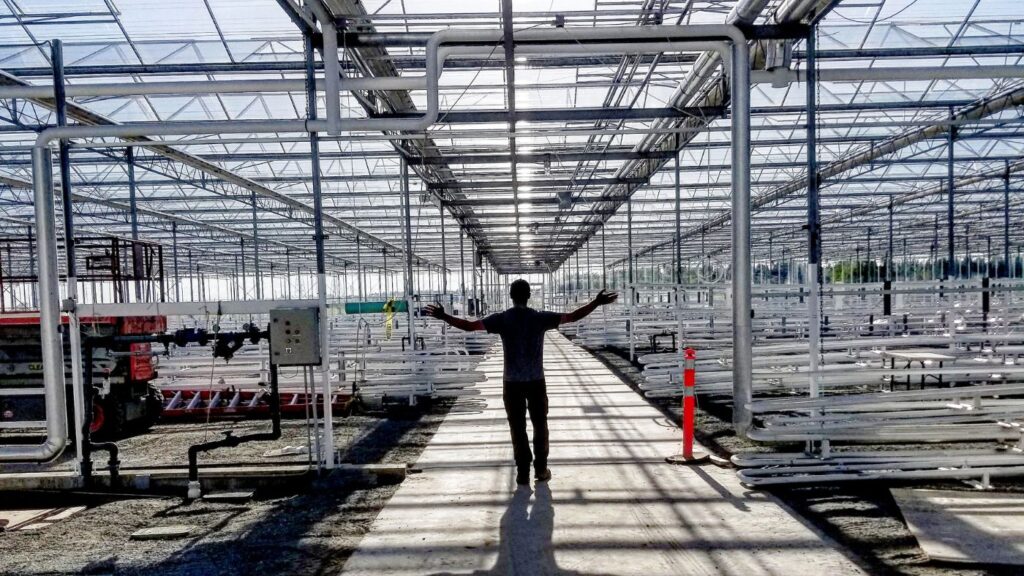 This guide covers the major considerations involved in planning and building a Virginia cannabis facility, with a focus on retail and cultivation operations and additional considerations relevant to processors and microbusinesses. It is written from the build side of the business, because that is where many otherwise-strong applicants stumble: they underestimate utility needs, local approvals, security infrastructure, commissioning, and the time required to convert a site into an inspection-ready operation.
 - Virginia Dual-Use Cannabis Conversion (2027): The $10M Medical-to-Adult-Use Pathway
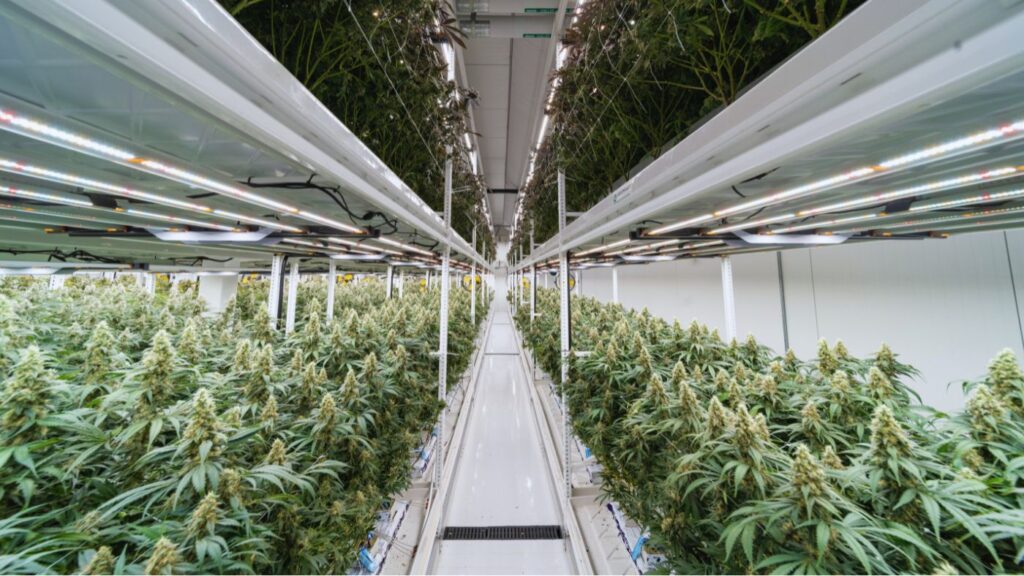 For Virginia’s existing medical cannabis operators, the 2026 retail framework created a distinct and high-stakes transition: pharmaceutical processors may apply for verification to exercise dual-use privileges and serve both registered medical patients and adult-use customers. The pathway covers the processor and its permitted cannabis dispensing facilities, and it carries a one-time $10 million fee, a required medical cannabis program preservation plan, an impact-licensee business accelerator commitment, and a firm May 1, 2027 payment or installment-plan deadline.
 - Virginia Impact Cannabis License (2027): Social Equity & the Equity Business Loan Fund
 Virginia’s adult-use cannabis framework creates a meaningful pathway for applicants from communities and backgrounds affected by cannabis prohibition and enforcement. The law does not create a separate, stand-alone impact license. Instead, it creates an impact-licensee designation that qualifying applicants may pursue alongside an underlying marijuana establishment license, such as retail, cultivation, processing, microbusiness, transportation, delivery, or testing.
 - Virginia Cannabis Microbusiness License (2027): Eligibility & the Two-Location Model
 This guide explains the initial eligibility pathways for the licenses the CCA may issue by May 1, 2027, the difference between a microbusiness license and an impact designation, the indoor and outdoor cultivation limits, the precise rules governing two locations, and the financial, security, and operational readiness standards applicants should prepare to demonstrate. Several implementation details – including fees and the specific combination of privileges the CCA will authorize – still depend on forthcoming regulations.
 - Virginia Cannabis Cultivation License (2027): The Tiered System Explained
 For operators whose strength is growing cannabis, Virginia’s emerging adult-use market presents a significant opportunity – and a cultivation license is the gateway to it. The June 2026 framework authorizes the Virginia Cannabis Control Authority (CCA) to begin accepting license applications on or after February 1, 2027 and issuing licenses on or after May 1, 2027. It also establishes five cultivation tiers with maximum canopies ranging from 5,000 to 35,000 square feet.
 - Virginia Cannabis Licensing (2027): The Complete Guide & License Resource Hub
 This guide is the hub for what you need to understand about Virginia cannabis licensing in 2027: how the Commonwealth arrived here, what the enacted framework establishes, the principal license types, the implementation timeline, and where to go deeper on each part of the process.