
Estimated reading time: 7 minutes
Table of contents
Cliff Notes: Applying for a Rhode Island Marijuana Dispensary License Overview
Objective: Rhode Island has officially opened applications for 24 Rhode Island Marijuana Dispensary Licenses. To succeed, applicants must meet detailed Rhode Island Cannabis Business Application requirements, prove readiness to operate, and comply with strict state rules.
Key Components:
- 24 total licenses: 6 for social equity, 6 for worker-owned cooperatives.
- Applications due December 29, 2025.
- $7,500 application fee (waived for social equity in year one) + $30,000 annual fee.
- Applications require business ownership details, financials, compliance documentation, and a facility plan.
- Licenses distributed across 6 geographic zones, with a lottery system deciding winners.
- Applicants must meet Rhode Island Cannabis Compliance Requirements and understand Rhode Island Cannabis Social Equity Program provisions.
Don’t risk your shot at Rhode Island’s limited retail market. Catalyst BC helps operators nationwide craft winning applications that meet every detail of the Rhode Island Cannabis Business Application process while maximizing Rhode Island Cannabis Market Opportunities. Contact us today for expert guidance.
Introduction
The Rhode Island Cannabis Control Commission has officially opened the Rhode Island Marijuana Dispensary License process, offering entrepreneurs the chance to join the state’s recreational cannabis market. This competitive Rhode Island Cannabis Business Application process requires applicants to prepare extensive documentation, demonstrate financial readiness, and comply with strict state rules. To succeed, applicants must align with all Rhode Island Cannabis Compliance Requirements, while also understanding the Rhode Island Cannabis Social Equity Program that reserves licenses for impacted communities. With only 24 retail licenses available and capped by geographic zones, the Rhode Island Cannabis Market Opportunities are both limited and highly valuable — making early preparation critical.
Here’s what you need to know about the licensing process, what documents you’ll need to prepare, and why starting now is critical to success.
Who Can Apply and How Many Licenses Are Available?
- 24 total Rhode Island Marijuana Dispensary Licenses are being issued.
- 6 licenses are reserved for social equity applicants – individuals or communities disproportionately impacted by past cannabis laws.
- 6 licenses are reserved for worker-owned cooperatives, encouraging broader participation in the industry.
- Licenses will be spread across six geographic zones, with a maximum of 4 per zone.
This structure ensures broad access across Rhode Island while prioritizing equity and cooperative participation.
Key Deadlines and Fees
- Applications are now open and will be accepted until December 29, 2025, at 4:00 p.m.
- Application fee: $7,500 (waived for approved social equity applicants in year one).
- Annual licensing fee: $30,000.
Applicants must budget for these costs and include them in their Rhode Island Cannabis Business Application financial projections.
What You’ll Need to Submit
The Rhode Island Marijuana Dispensary License application is document-heavy and detail oriented. Expect to provide:
- Ownership & Entity Information
- Entity registration, ownership disclosures (5%+ interest).
- Personal Backgrounds
- Residency verification, IDs, criminal background checks.
- Business Plan & Financials
- Capital access, startup budget, operating expenses, revenue projections.
- Compliance Documentation
- Evidence that you meet all Rhode Island Cannabis Compliance Requirements including security protocols, inventory tracking, and staff training.
- Operations Plan
- Daily workflow, staffing, HR procedures.
- Security Plan
- Surveillance, access controls, diversion prevention.
- Facility Documentation
- Property ownership or lease, zoning compliance, site layout.
- Social Equity Documentation (if applicable)
- Evidence of eligibility under the Rhode Island Cannabis Social Equity Program.
- Signed Attestation
- Confirmation of compliance with tax, residency, and regulatory rules.
Visit our Rhode Island cannabis consulting page to learn more about the services we offer tailored to Rhode Island’s requirements.
What to Expect After Submission
- Screening – regulators verify completeness and compliance.
- Lottery Placement – qualified applicants enter the lottery for their geographic zone.
- Selection – winners undergo final checks to confirm readiness.
This process balances fairness while ensuring that only applicants who meet Rhode Island Cannabis Compliance Requirements advance.
Why Preparation Matters
Rhode Island’s cannabis market is limited to just 24 retail operators. Missing a detail in your Rhode Island Cannabis Business Application could disqualify you. Moreover, with projected industry growth, the Rhode Island cannabis market opportunities are too significant to risk on a weak submission.
Working with experts like Catalyst BC ensures your application is thorough, compliant, and strategically positioned. From financial modeling to site selection and compliance audits, we help applicants maximize their competitiveness.
Contact us today to prepare your Rhode Island Marijuana Dispensary application with confidence.
Rhode Island Marijuana Dispensary License FAQs
It is the state-issued authorization to operate a cannabis retail storefront. A Rhode Island Cannabis Business Application must be submitted and approved before opening.
There are 24 total licenses, with 6 reserved for social equity applicants and 6 for worker-owned cooperatives.
Applications are due by December 29, 2025, at 4:00 p.m.
Applicants must submit detailed compliance documents including security plans, inventory tracking systems, and operational readiness. These align with Rhode Island Marijuana Regulatory Standards.
It is a program reserving 6 licenses for applicants from communities disproportionately impacted by cannabis prohibition.
$7,500 application fee (waived for social equity applicants in year one), plus $30,000 annual licensing fee.
Ownership records, financial statements, compliance attestations, facility details, and background checks.
The market is expected to grow rapidly, with limited licenses creating high-value retail opportunities.
Yes, proof of property ownership or lease is required in the Rhode Island Marijuana Retail Application.
Because we help applicants navigate compliance, strengthen their Rhode Island Cannabis Business Application, and maximize success in a competitive licensing process.
Additional Resources
Free eBooks For Cannabis Business Success




Latest Articles
- How Much Does It Cost to Open a Cannabis Dispensary in 2026
 The allure of jumping into the legalized cannabis industry often paints a picture of quick riches and burgeoning demand, yet the reality of establishing a licensed cannabis dispensary is far more nuanced, capital-intensive, and fraught with unique financial challenges. For aspiring entrepreneurs and seasoned investors alike, understanding the true dispensary startup costs is the absolute bedrock of success.
 - Virginia Cannabis Facility Design & Build-Out for the 2027 Market
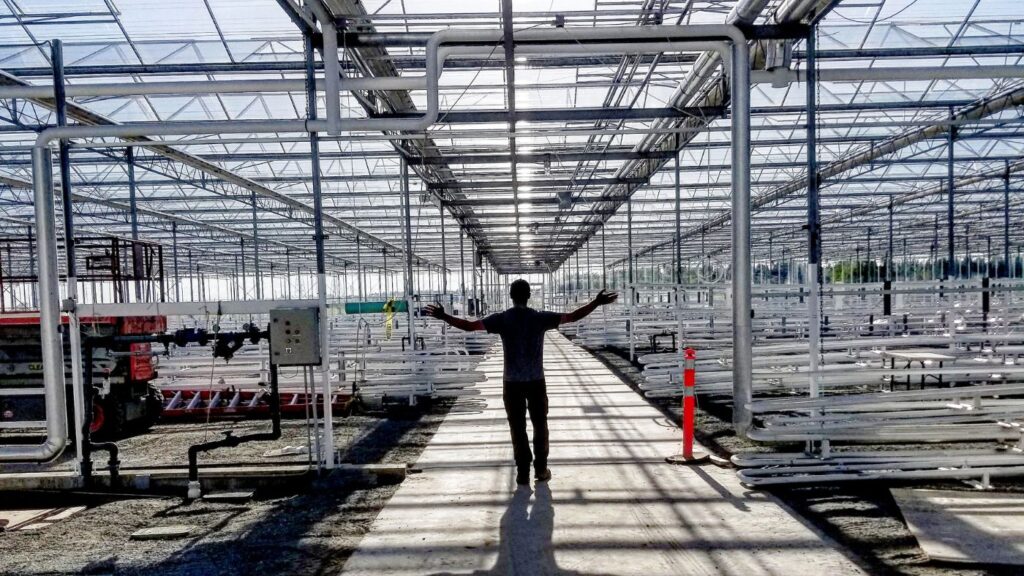 This guide covers the major considerations involved in planning and building a Virginia cannabis facility, with a focus on retail and cultivation operations and additional considerations relevant to processors and microbusinesses. It is written from the build side of the business, because that is where many otherwise-strong applicants stumble: they underestimate utility needs, local approvals, security infrastructure, commissioning, and the time required to convert a site into an inspection-ready operation.
 - Virginia Dual-Use Cannabis Conversion (2027): The $10M Medical-to-Adult-Use Pathway
 For Virginia’s existing medical cannabis operators, the 2026 retail framework created a distinct and high-stakes transition: pharmaceutical processors may apply for verification to exercise dual-use privileges and serve both registered medical patients and adult-use customers. The pathway covers the processor and its permitted cannabis dispensing facilities, and it carries a one-time $10 million fee, a required medical cannabis program preservation plan, an impact-licensee business accelerator commitment, and a firm May 1, 2027 payment or installment-plan deadline.
 - Virginia Impact Cannabis License (2027): Social Equity & the Equity Business Loan Fund
 Virginia’s adult-use cannabis framework creates a meaningful pathway for applicants from communities and backgrounds affected by cannabis prohibition and enforcement. The law does not create a separate, stand-alone impact license. Instead, it creates an impact-licensee designation that qualifying applicants may pursue alongside an underlying marijuana establishment license, such as retail, cultivation, processing, microbusiness, transportation, delivery, or testing.
 - Virginia Cannabis Microbusiness License (2027): Eligibility & the Two-Location Model
 This guide explains the initial eligibility pathways for the licenses the CCA may issue by May 1, 2027, the difference between a microbusiness license and an impact designation, the indoor and outdoor cultivation limits, the precise rules governing two locations, and the financial, security, and operational readiness standards applicants should prepare to demonstrate. Several implementation details – including fees and the specific combination of privileges the CCA will authorize – still depend on forthcoming regulations.
 - Virginia Cannabis Cultivation License (2027): The Tiered System Explained
 For operators whose strength is growing cannabis, Virginia’s emerging adult-use market presents a significant opportunity – and a cultivation license is the gateway to it. The June 2026 framework authorizes the Virginia Cannabis Control Authority (CCA) to begin accepting license applications on or after February 1, 2027 and issuing licenses on or after May 1, 2027. It also establishes five cultivation tiers with maximum canopies ranging from 5,000 to 35,000 square feet.