

Estimated reading time: 7 minutes
Table of contents
Cliff Notes: How to host a Minnesota cannabis lounge special event legally
Objective: Successfully apply for, and obtain, a Minnesota Cannabis Event Organizer license to host a legal on-site consumption event.
Key Components:
- Minnesota does not allow permanent cannabis lounges—only temporary events with consumption, under a Cannabis Event Organizer license.
- The Cannabis Event Organizer license permits events (up to 4 days) where licensed retailers can sell cannabis and patrons can consume it on-site.
- A license must be obtained from the Office of Cannabis Management (OCM) once available, along with local municipal approval and health/fire permits.
- Consumption must occur in a designated area, following rules like the Clean Indoor Air Act (outdoor smoking only; indoor vaping/edibles may be allowed).
- Permanent lounges are not authorized under current statute; venues like bars or hotels cannot allow on-site cannabis use.
Catalyst BC’s Minnesota cannabis consultants can assist with planning, permitting, licensing, and compliance for legal cannabis consumption events. Learn more about our Minnesota cannabis consulting services or Book your Complimentary Consultation today.
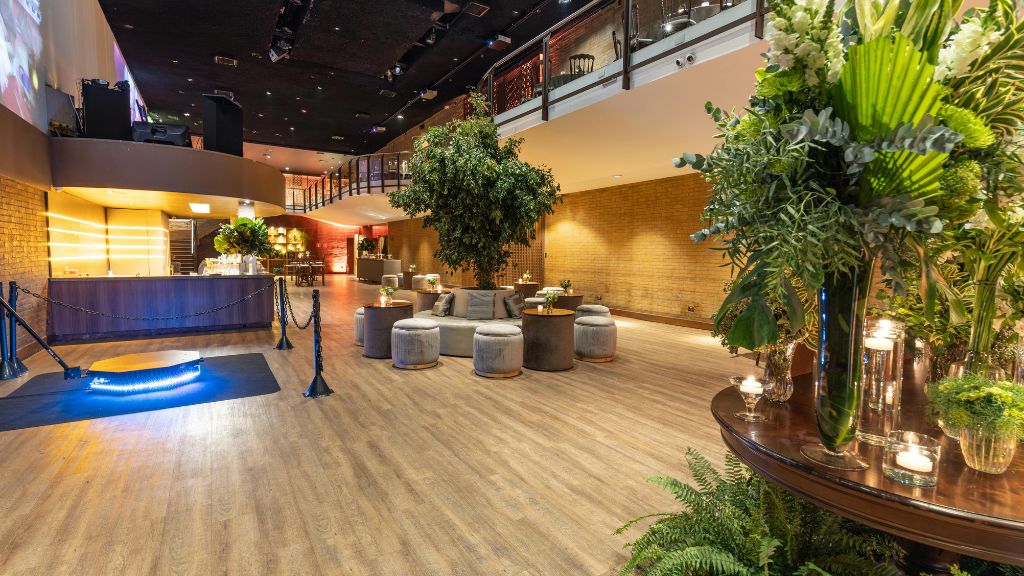
Introduction
Minnesota’s adult-use cannabis law (2023) does not create a permanent lounge license, but it allows temporary consumption events via a Cannabis Event Organizer license. State statute (CH 342.24) actually forbids any cannabis business from permitting onsite consumption unless it has a special license to do so. To date, no provision was made for standalone lounges. Instead, Minnesota adopted a new Cannabis Event Organizer license for up to four-day events (like festivals) where licensed retailers can sell cannabis and patrons may consume on-site. A licensed event organizer must obtain local approval and permits for each event.
Current Licensing for Consumption:
While Minnesota does not currently allow permanent cannabis lounges, the state does permit temporary on-site consumption through a Cannabis Event Organizer license. This license opens the door for creative and compliant cannabis experiences such as festivals, private parties, and pop-ups—provided they follow strict state and local regulations. Below, we break down how the temporary licensing process works and what’s required to legally host a cannabis consumption event in Minnesota.
Cannabis Event Organizer License
To host any event featuring cannabis consumption, apply to the Office of Cannabis Management (OCM). This license lets you work with retailers or microbusinesses (with a retail endorsement) to sell products at a temporary event. You must designate a specific area for consumption (indoor or outdoor) and control access. Your application should include event security, sampling measures, and local permits (fire, health dept, etc.). Events are limited to 4 days. The organizer pays ~$750 application fee and that same for the license.
No Permanent On-Site License
Minnesota law does not (yet) allow fixed lounges. Based on the statute, even a dispensary cannot have an in-store consumption area (Sec. 342.24 says no one under 21 can consume in a licensed business unless it’s licensed to permit on-site consumption). Since no such license is defined aside from events, permanent lounges aren’t authorized at this time.
Operational Guidance for Events
If planning an event:
- Coordinate with licensed retailers in MN (they must make the sales), or apply to be an Event Organizer yourself if you have a related license (e.g. microbusiness).
- Ensure your event site is secure, with fencing and ID checks.
- Provide a consumption area with ventilation (for smoke outdoors only, since indoor smoking bans still apply).
- Offer samples of edible or topical products safely (note: direct giveaways of actual cannabis are prohibited by law).
- Insure the event properly and train staff on verifying 21+ and preventing intoxicated driving.
Compliance Challenges
Since no state license for fixed lounges exists, any attempt to open one (like converting a bar) would violate MN law. Focus on event licenses instead. Be mindful that Minnesota’s Indoor Clean Air Act still bans smoking in most indoor workplaces, so even at events, smoking is generally outdoors with a permit, while vaping and edibles can often be indoors. Also, some localities may impose curfews or quantity limits. Keep an eye on OCM, as rules might evolve to include permanent lounges in future regulatory updates.
Why Hire a Cannabis Consultant?
Navigating Minnesota’s evolving cannabis laws is no easy task—especially when it comes to planning a legal consumption event. From interpreting the latest regulations to preparing a bulletproof application and coordinating with local authorities, the margin for error is slim. That’s where Catalyst BC comes in.
Our team of Minnesota cannabis consultants brings hands-on expertise in licensing, compliance, and operational planning. Whether you’re a business owner, event producer, or aspiring operator, we help you streamline the licensing process, avoid costly mistakes, and deliver safe, successful events. With Catalyst BC by your side, you’ll move forward with confidence—every step of the way.
Learn more about our Minnesota cannabis consulting services or Book your Complimentary Consultation today.
Minnesota Cannabis Lounge FAQs
Not currently. Minnesota has only a temporary event license for on-site consumption. Retail stores cannot allow consumption on their premises (per MN law).
Apply for a Cannabis Event Organizer license once OCM opens that portal. You’ll partner with a retailer to sell products, and you provide a consumption site and local permits.
Events cannot be longer than 4 days, must get local government approval (permits, zoning), and must use licensed sellers for cannabis. You can’t just hand out cannabis – only licensed sales are allowed.
Under current law, no fixed cannabis lounge license exists. Until the legislature authorizes permanent lounges, hospitality venues cannot legally allow public cannabis use.
If an event has a license, it may allow smoking in designated areas that comply with local clean-air rules. Note that MN law still generally bans public smoking except where specifically licensed.
Edibles and vapes are allowed at events (with local approval). Many event organizers offer smoke-free lounges indoors for edibles/vapes, and outdoor areas for smokers (with shelter/tents).
Yes. Minnesota’s framework is new. Catalyst BC’s Minnesota cannabis consulting team can help you understand OCM’s license categories and local approval processes for your consumption event.
Navigating the Minnesota cannabis space is complex—one misstep can delay your opening or jeopardize your license. A specialized Cannabis Consultant brings deep regulatory knowledge, operational best practices, and hands-on project management.
From initial concept and licensing to grand opening and ongoing compliance, Catalyst BC’s end-to-end Minnesota Cannabis Consulting services ensure you launch faster, stay compliant, and maximize profitability.
Additional Resources
Free eBooks For Cannabis Business Success




Explore Our Articles
cannabis applications Cannabis Bar Cannabis Business Optmization cannabis careers Cannabis Compliance Cannabis Consumption Cannabis Consumption Bar Cannabis Inventory Management Systems Cannabis Investors cannabis jobs Cannabis Legalization cannabis licensing Cannabis Lounge cannabis marketing Cannabis Operational Procedures cannabis outreach Cannabis Regulations Cannabis Security Cannabis Software Cannabis Startup Cannabis Supply Chain Cannabis Technology Colorado controlled environment agriculture Cultivation cultivation facility Dispensary Design facility design Financial Planning HVAC HVACD Iowa Kansas Legal Update Legislation Medical Cannabis Minnesota Natural Medicine Nebraska New York Odor Control Oregon Psilocybin Psychedelics Recreational Cannabis
Latest Articles
- Virginia Cannabis Facility Design & Build-Out for the 2027 Market
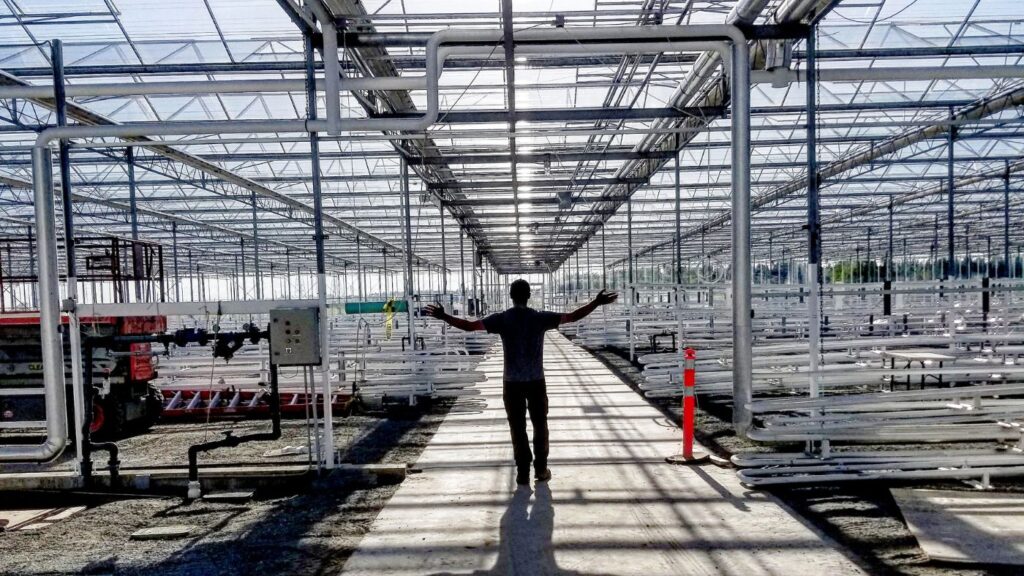 This guide covers the major considerations involved in planning and building a Virginia cannabis facility, with a focus on retail and cultivation operations and additional considerations relevant to processors and microbusinesses. It is written from the build side of the business, because that is where many otherwise-strong applicants stumble: they underestimate utility needs, local approvals, security infrastructure, commissioning, and the time required to convert a site into an inspection-ready operation.
 - Virginia Dual-Use Cannabis Conversion (2027): The $10M Medical-to-Adult-Use Pathway
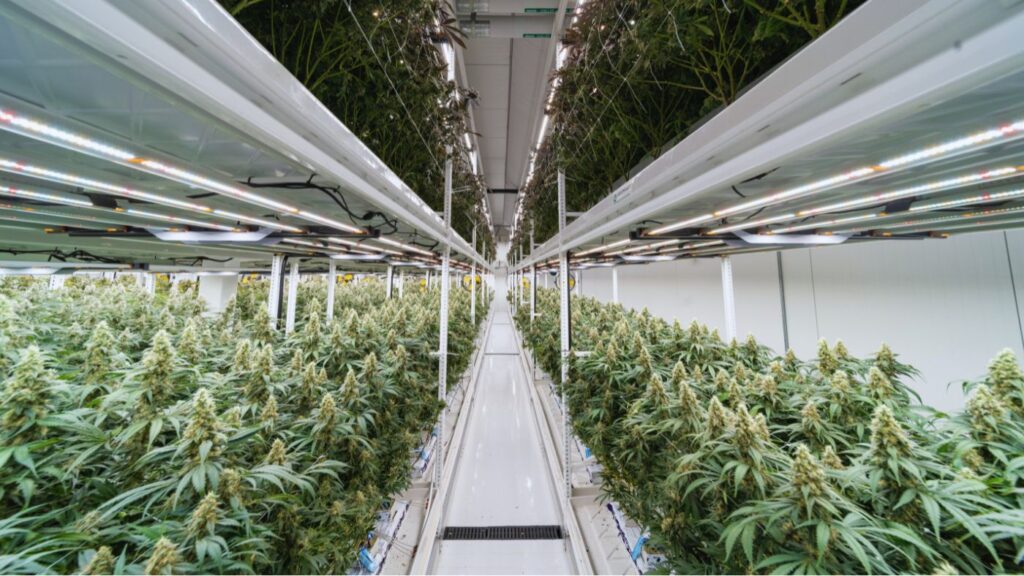 For Virginia’s existing medical cannabis operators, the 2026 retail framework created a distinct and high-stakes transition: pharmaceutical processors may apply for verification to exercise dual-use privileges and serve both registered medical patients and adult-use customers. The pathway covers the processor and its permitted cannabis dispensing facilities, and it carries a one-time $10 million fee, a required medical cannabis program preservation plan, an impact-licensee business accelerator commitment, and a firm May 1, 2027 payment or installment-plan deadline.
 - Virginia Impact Cannabis License (2027): Social Equity & the Equity Business Loan Fund
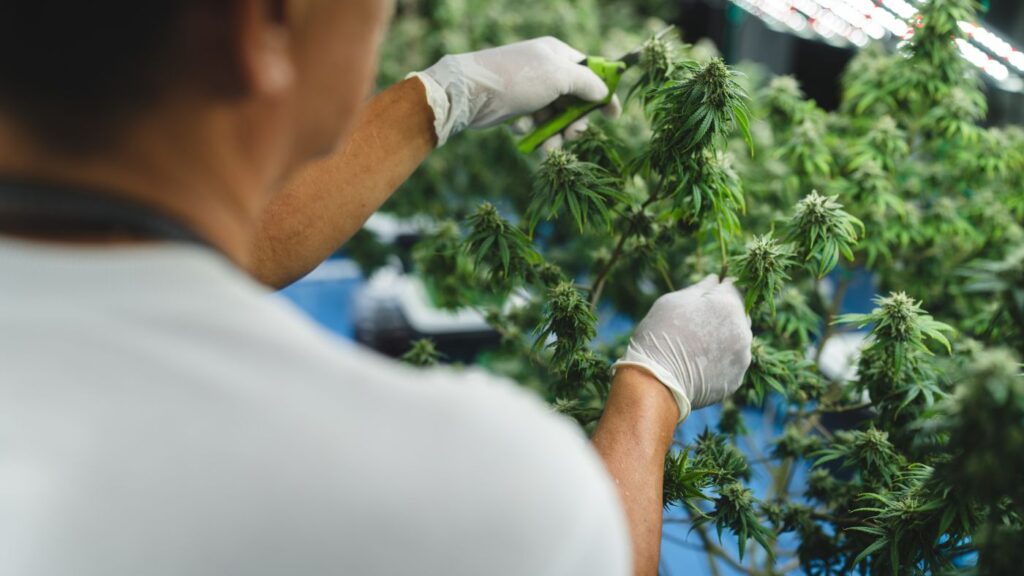 Virginia’s adult-use cannabis framework creates a meaningful pathway for applicants from communities and backgrounds affected by cannabis prohibition and enforcement. The law does not create a separate, stand-alone impact license. Instead, it creates an impact-licensee designation that qualifying applicants may pursue alongside an underlying marijuana establishment license, such as retail, cultivation, processing, microbusiness, transportation, delivery, or testing.
 - Virginia Cannabis Microbusiness License (2027): Eligibility & the Two-Location Model
 This guide explains the initial eligibility pathways for the licenses the CCA may issue by May 1, 2027, the difference between a microbusiness license and an impact designation, the indoor and outdoor cultivation limits, the precise rules governing two locations, and the financial, security, and operational readiness standards applicants should prepare to demonstrate. Several implementation details – including fees and the specific combination of privileges the CCA will authorize – still depend on forthcoming regulations.
 - Virginia Cannabis Cultivation License (2027): The Tiered System Explained
 For operators whose strength is growing cannabis, Virginia’s emerging adult-use market presents a significant opportunity – and a cultivation license is the gateway to it. The June 2026 framework authorizes the Virginia Cannabis Control Authority (CCA) to begin accepting license applications on or after February 1, 2027 and issuing licenses on or after May 1, 2027. It also establishes five cultivation tiers with maximum canopies ranging from 5,000 to 35,000 square feet.
 - Virginia Cannabis Licensing (2027): The Complete Guide & License Resource Hub
 This guide is the hub for what you need to understand about Virginia cannabis licensing in 2027: how the Commonwealth arrived here, what the enacted framework establishes, the principal license types, the implementation timeline, and where to go deeper on each part of the process.