
Estimated reading time: 5 minutes
Table of contents
Introduction
South Carolina’s opportunity to legalize medical cannabis is back on the legislative table in 2025. Lawmakers are revisiting reform efforts with a renewed focus on establishing a tightly regulated market that aligns with the state’s conservative approach to cannabis policy.
Legislative History and Current Proposal
State Sen. Tom Davis, R-Beaufort, reintroduced the Compassionate Care Act in January with Senate Bill 53. The proposed legislation aims to create a licensed and regulated market where qualifying patients can purchase lab-tested cannabis dispensed by pharmacists. Under this framework, patients would need to maintain closely defined relationships with their physicians to receive a diagnosis for one of the 12 qualifying conditions outlined in the bill. Additionally, the bill explicitly prohibits both smoking cannabis and growing it at home.
Davis, cosponsoring the bill with Sen. Stephen Goldfinch, R-Georgetown, has been a long-time advocate for cannabis reform in South Carolina. He previously sponsored similar versions of the Compassionate Care Act. In February 2024, a Senate-passed version of the bill received a 24-19 vote, but the proposal ultimately stalled in the House committee process due to inaction.
Challenges and Conservative Approach
The current version of the Compassionate Care Act reflects a very conservative approach to cannabis legalization—one that Davis insists is what South Carolinians want. “It is a very conservative bill because that’s what South Carolinians want,” Davis told WSPA. This cautious stance aims to address concerns by tightly controlling patient eligibility and strictly limiting consumption methods.
Davis’s earlier attempt in 2022 encountered a procedural setback when a Senate-passed version of the bill, which included a tax provision, was derailed. Under South Carolina law, revenue-raising bills must originate in the lower chamber, leading to the collapse of that version. This history of House lawmakers blocking reform efforts has left South Carolina with a “maybe” forecast for 2025. Notably, the state remains one of only eight without a medical cannabis program—even when compared to highly restrictive models like Texas’s, where THC is capped at 1%.
Conclusion
As South Carolina heads into the 2025 legislative session, the future of medical cannabis legalization remains uncertain. With the reintroduction of the Compassionate Care Act, advocates hope that a carefully tailored, conservative approach will finally break the legislative impasse. However, the history of procedural obstacles and House inaction continues to cast doubt on whether reform will ultimately prevail in the Palmetto State.
Cannabis Legalization South Carolina 2025 FAQs
There are no dispensaries in South Carolina due to the state’s prohibition of cannabis. Generally, dispensaries in legal states do not accept medical insurance for weed purchases.
CBD oil is legal for both medical and recreational use in South Carolina, although it can’t be sold as a food product. There are no legal age limits for purchasing CBD, so you can expect retailers to set age requirements at their own discretion. Most will require buyers to be over the age of 18 or 21.
Marijuana is illegal in South Carolina and cannot be delivered to residents.
Yes, Farm Bill compliant Delta 9 gummies are legal in South Carolina. You can buy Delta 9 gummies online or in-store without any restrictions, so long as they meet the following conditions: The THC must be derived from the hemp plant rather than the marijuana plant. THC concentrations must not exceed 0.3% by dry weight.
Possession of marijuana in South Carolina is classified as a misdemeanor in most cases. If you are convicted of possession of marijuana (less than one ounce), the penalty for the first offense is a $650 fine and up to 30 days in jail.
Qualifying for the medical marijuana program in South Carolina is simple. Patience must have a qualifying condition and a written certification issued by a doctor that has completed a full assessment of the patient’s medical history and current medical conditions.
Marijuana is illegal for recreational and medical purposes in South Carolina, and the use of CBD oil is only permitted for qualifying patients suffering from chronic seizures caused by epilepsy.
Additional Resources
Free eBooks For Cannabis Business Success




Latest Articles
- Virginia Cannabis Facility Design & Build-Out for the 2027 Market
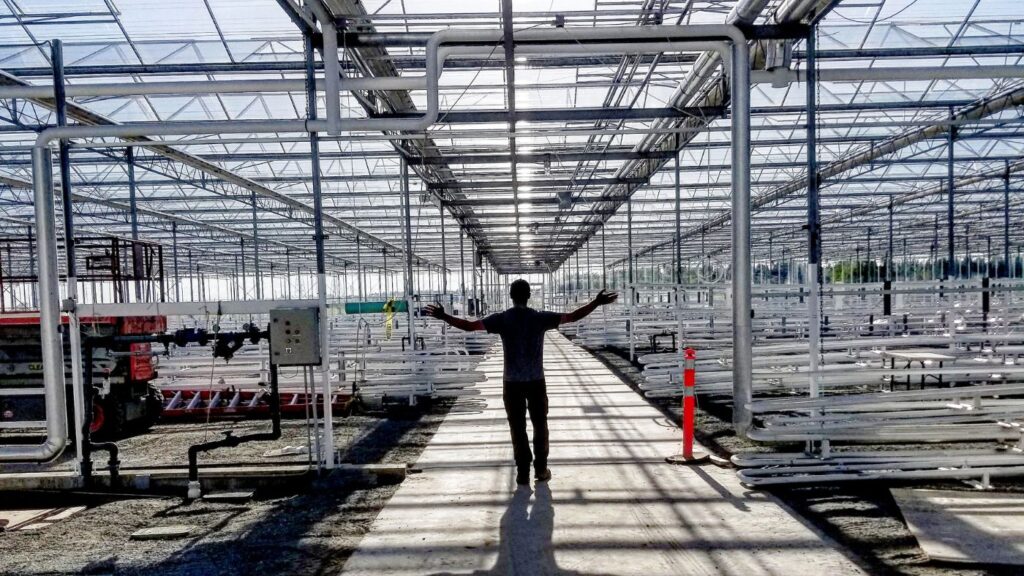 This guide covers the major considerations involved in planning and building a Virginia cannabis facility, with a focus on retail and cultivation operations and additional considerations relevant to processors and microbusinesses. It is written from the build side of the business, because that is where many otherwise-strong applicants stumble: they underestimate utility needs, local approvals, security infrastructure, commissioning, and the time required to convert a site into an inspection-ready operation.
 - Virginia Dual-Use Cannabis Conversion (2027): The $10M Medical-to-Adult-Use Pathway
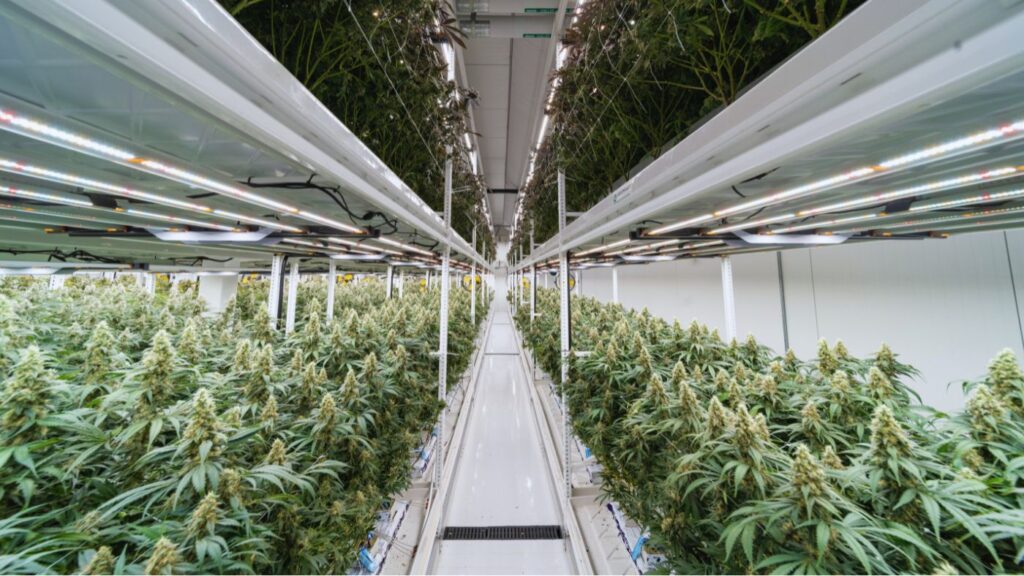 For Virginia’s existing medical cannabis operators, the 2026 retail framework created a distinct and high-stakes transition: pharmaceutical processors may apply for verification to exercise dual-use privileges and serve both registered medical patients and adult-use customers. The pathway covers the processor and its permitted cannabis dispensing facilities, and it carries a one-time $10 million fee, a required medical cannabis program preservation plan, an impact-licensee business accelerator commitment, and a firm May 1, 2027 payment or installment-plan deadline.
 - Virginia Impact Cannabis License (2027): Social Equity & the Equity Business Loan Fund
 Virginia’s adult-use cannabis framework creates a meaningful pathway for applicants from communities and backgrounds affected by cannabis prohibition and enforcement. The law does not create a separate, stand-alone impact license. Instead, it creates an impact-licensee designation that qualifying applicants may pursue alongside an underlying marijuana establishment license, such as retail, cultivation, processing, microbusiness, transportation, delivery, or testing.
 - Virginia Cannabis Microbusiness License (2027): Eligibility & the Two-Location Model
 This guide explains the initial eligibility pathways for the licenses the CCA may issue by May 1, 2027, the difference between a microbusiness license and an impact designation, the indoor and outdoor cultivation limits, the precise rules governing two locations, and the financial, security, and operational readiness standards applicants should prepare to demonstrate. Several implementation details – including fees and the specific combination of privileges the CCA will authorize – still depend on forthcoming regulations.
 - Virginia Cannabis Cultivation License (2027): The Tiered System Explained
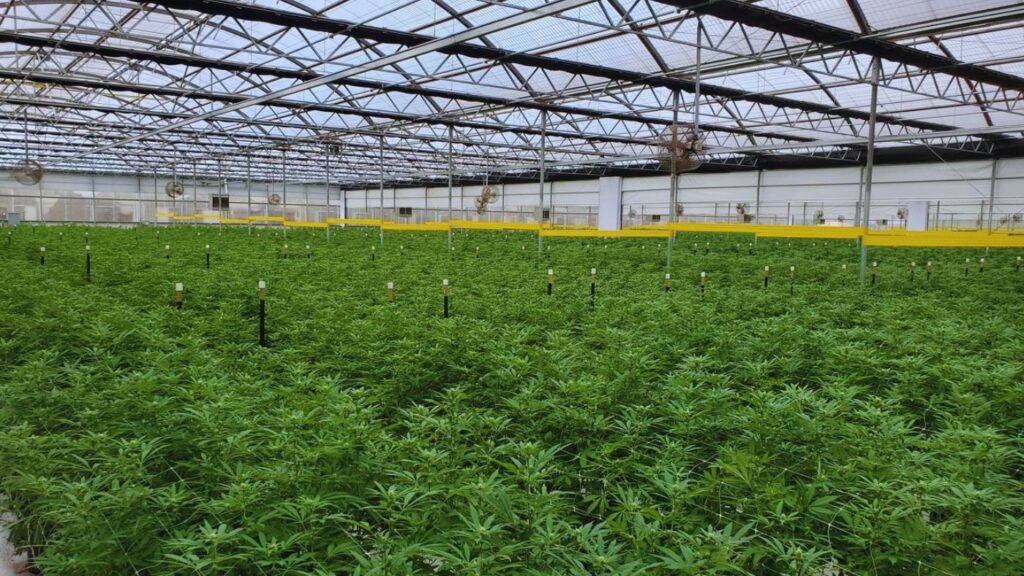 For operators whose strength is growing cannabis, Virginia’s emerging adult-use market presents a significant opportunity – and a cultivation license is the gateway to it. The June 2026 framework authorizes the Virginia Cannabis Control Authority (CCA) to begin accepting license applications on or after February 1, 2027 and issuing licenses on or after May 1, 2027. It also establishes five cultivation tiers with maximum canopies ranging from 5,000 to 35,000 square feet.
 - Virginia Cannabis Licensing (2027): The Complete Guide & License Resource Hub
 This guide is the hub for what you need to understand about Virginia cannabis licensing in 2027: how the Commonwealth arrived here, what the enacted framework establishes, the principal license types, the implementation timeline, and where to go deeper on each part of the process.