
Estimated reading time: 4 minutes
Table of contents
- What’s on the Ballot?
- Key Features of Amendment A
- What Does Measure 26 Offer?
- A Unique Opportunity for Cannabis Entrepreneurs
- The Economic Impact
- Take the Next Step
- Additional Resources
- Consulting Services For Cannabis, Hemp, Psilocybin, and Natural Medicine
- Testimonials and Public Relations
- Latest Articles
- Explore Our Articles
- Free Ebook – Start Your Own Legal Cannabis Business
The upcoming vote on November 3, 2020, may open the door for a South Dakota Cannabis License. This historic event marks the first time a state will simultaneously vote on both medical and adult-use cannabis legalization. By doing so, South Dakota is positioning itself as a progressive leader in marijuana reform.
What’s on the Ballot?
South Dakota voters will decide on two measures: Amendment A and Measure 26. Each requires a majority vote to pass.
Amendment A: This amendment to the South Dakota Constitution would legalize, regulate, and tax marijuana for adult use. It allows adults aged 21 and older to possess up to one ounce of marijuana and, under specific conditions, grow marijuana plants at home. Additionally, it grants the State Department of Revenue authority to issue licenses for cannabis businesses, including cultivators, manufacturers, and retailers. Local governments may regulate or ban such establishments within their jurisdictions.
Measure 26: This initiative establishes a medical marijuana program for qualifying patients, including minors. The measure takes a less restrictive approach, defining qualifying conditions broadly to ensure patients in need have access to medical cannabis. Patients could possess up to three ounces of marijuana or the amount prescribed by a physician. Non-resident medical patients with valid registration cards could also purchase cannabis in South Dakota.
Key Features of Amendment A
If passed, Amendment A would bring several changes to South Dakota:
Legalization of possession, use, transport, and distribution of marijuana for adults 21 and older.
Home cultivation of marijuana plants under certain conditions.
State-regulated licensing for cannabis businesses.
Revenue generation through application fees, licensing fees, and a 15% excise tax.
Revenue collected would fund the program’s implementation. Any surplus would be split between public schools and the state general fund. By 2023, projected tax revenues could reach nearly $20 million annually.
What Does Measure 26 Offer?
Measure 26 focuses on medical cannabis accessibility. Key provisions include:
Broad definitions of debilitating medical conditions to cover a wide range of patient needs.
Allowing home cultivation of cannabis plants for registered patients.
Enabling non-resident medical marijuana patients to access South Dakota dispensaries.
This inclusive approach ensures that all patients who could benefit from medical cannabis have safe and legal access.
A Unique Opportunity for Cannabis Entrepreneurs
Most states have introduced medical cannabis programs before expanding to adult-use legalization. South Dakota’s simultaneous approach could create immediate opportunities for cannabis business entrepreneurs. If Amendment A passes, the state will issue licenses to qualified applicants, paving the way for a thriving cannabis industry. This new sector will bring essential jobs and exciting career opportunities to the state.
The Economic Impact
The financial benefits of legalization are significant. Initial projections suggest the state could generate over $355,000 in net revenue in 2021. By 2023, this figure is expected to approach $20 million. These funds will support schools and the state’s general fund, providing a much-needed economic boost.
Take the Next Step
The passage of Amendment A or Measure 26 will lay the foundation for a booming industry in South Dakota. If you’re interested in applying for a South Dakota Cannabis License, contact us today to learn more.
Additional Resources
Consulting Services For Cannabis, Hemp, Psilocybin, and Natural Medicine
- Consulting Services Overview
- Business Strategy
- Financial Planning
- Cannabis, Hemp, Psilocybin, & Natural Medicine Licensing and Applications
- Facility Design
- StartUp Support
- Genetic Development
- Business Turnaround
- Operational Optimization
- Vertical Farming
- Controlled Environmental Agriculture (CEA)
- State and Country Services Directory
- Blog
- Home
Testimonials and Public Relations
Latest Articles
- How Much Does It Cost to Open a Dispensary in 2026?
 The allure of jumping into the legalized cannabis industry often paints a picture of quick riches and burgeoning demand, yet the reality of establishing a licensed cannabis dispensary is far more nuanced, capital-intensive, and fraught with unique financial challenges. For aspiring entrepreneurs and seasoned investors alike, understanding the true dispensary startup costs is the absolute bedrock of success.
 - Virginia Cannabis Facility Design & Build-Out for the 2027 Market
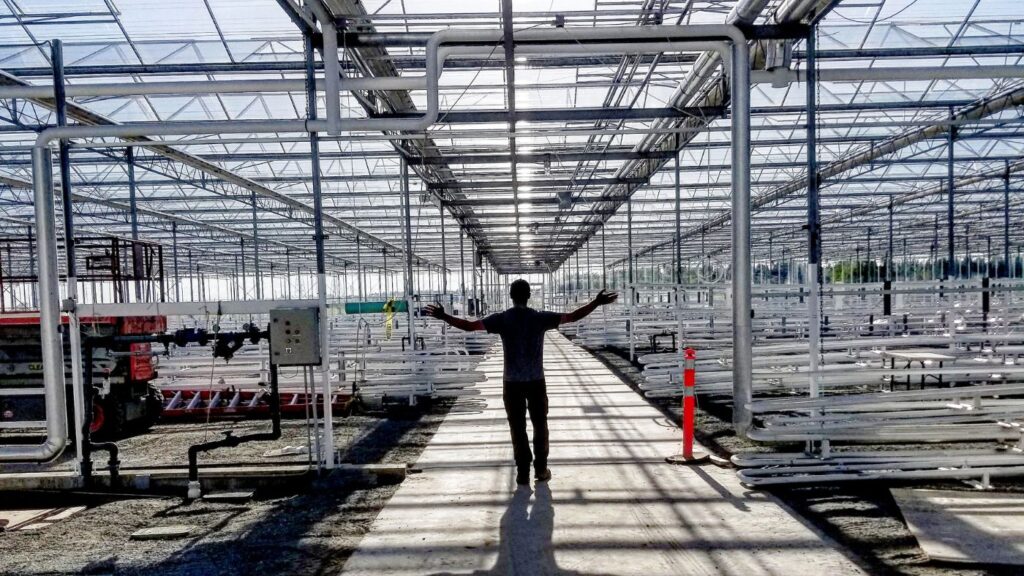 This guide covers the major considerations involved in planning and building a Virginia cannabis facility, with a focus on retail and cultivation operations and additional considerations relevant to processors and microbusinesses. It is written from the build side of the business, because that is where many otherwise-strong applicants stumble: they underestimate utility needs, local approvals, security infrastructure, commissioning, and the time required to convert a site into an inspection-ready operation.
 - Virginia Dual-Use Cannabis Conversion (2027): The $10M Medical-to-Adult-Use Pathway
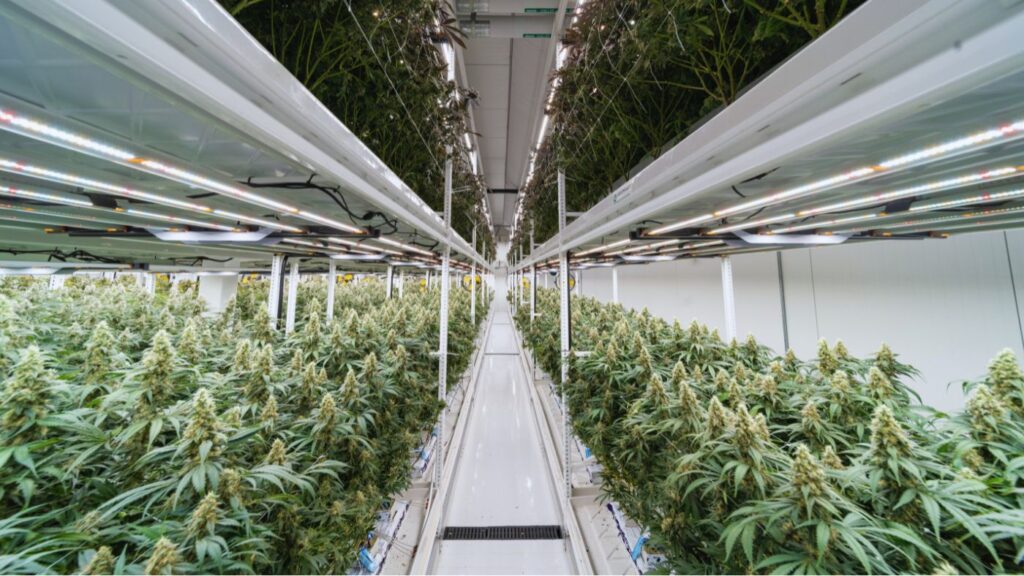 For Virginia’s existing medical cannabis operators, the 2026 retail framework created a distinct and high-stakes transition: pharmaceutical processors may apply for verification to exercise dual-use privileges and serve both registered medical patients and adult-use customers. The pathway covers the processor and its permitted cannabis dispensing facilities, and it carries a one-time $10 million fee, a required medical cannabis program preservation plan, an impact-licensee business accelerator commitment, and a firm May 1, 2027 payment or installment-plan deadline.
 - Virginia Impact Cannabis License (2027): Social Equity & the Equity Business Loan Fund
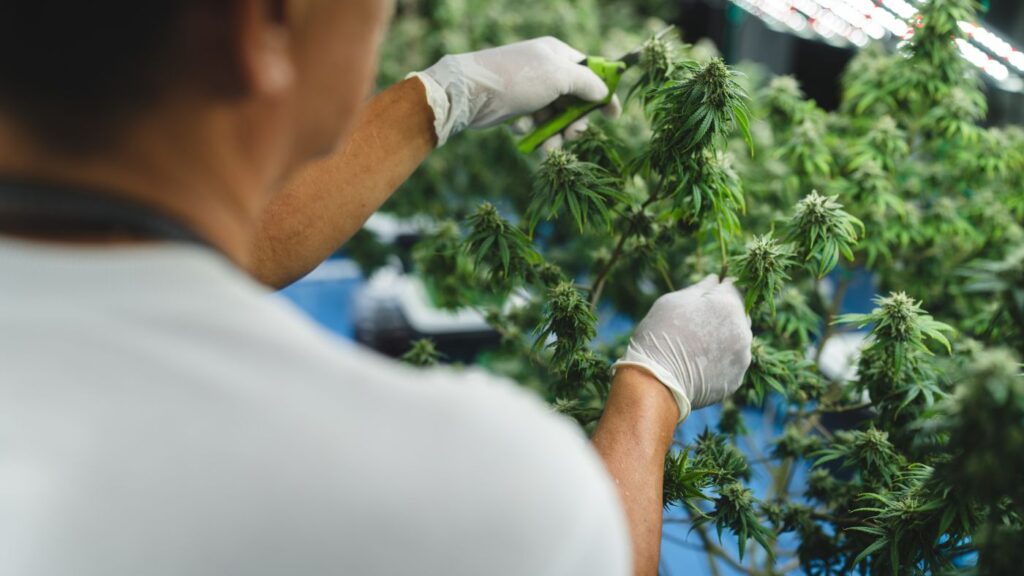 Virginia’s adult-use cannabis framework creates a meaningful pathway for applicants from communities and backgrounds affected by cannabis prohibition and enforcement. The law does not create a separate, stand-alone impact license. Instead, it creates an impact-licensee designation that qualifying applicants may pursue alongside an underlying marijuana establishment license, such as retail, cultivation, processing, microbusiness, transportation, delivery, or testing.
 - Virginia Cannabis Microbusiness License (2027): Eligibility & the Two-Location Model
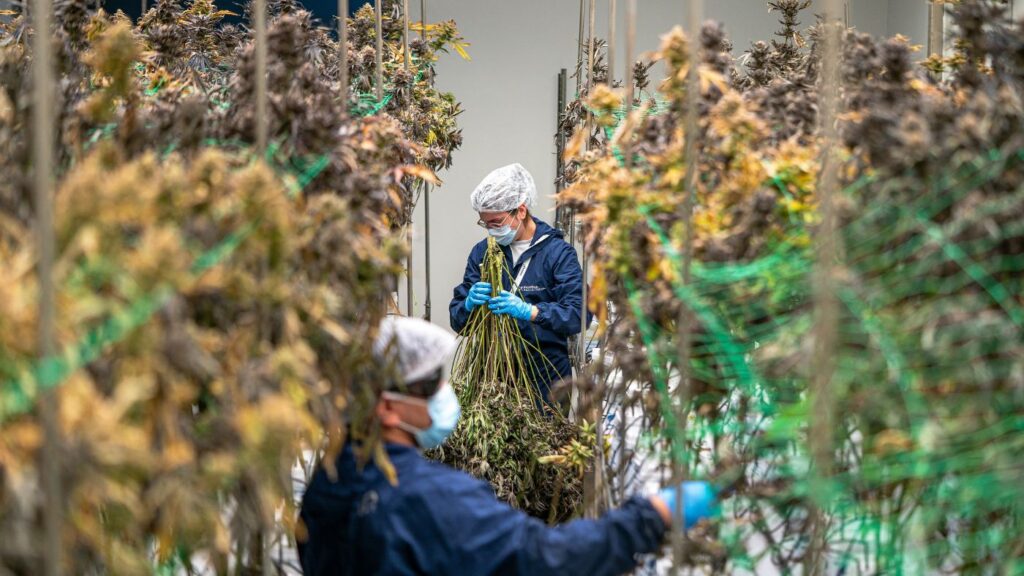 This guide explains the initial eligibility pathways for the licenses the CCA may issue by May 1, 2027, the difference between a microbusiness license and an impact designation, the indoor and outdoor cultivation limits, the precise rules governing two locations, and the financial, security, and operational readiness standards applicants should prepare to demonstrate. Several implementation details – including fees and the specific combination of privileges the CCA will authorize – still depend on forthcoming regulations.
 - Virginia Cannabis Cultivation License (2027): The Tiered System Explained
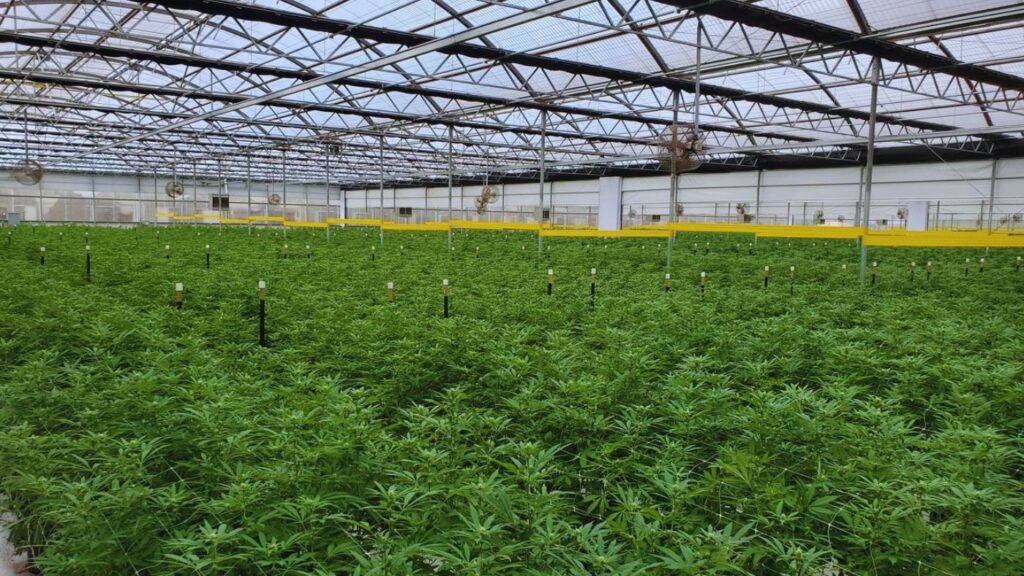 For operators whose strength is growing cannabis, Virginia’s emerging adult-use market presents a significant opportunity – and a cultivation license is the gateway to it. The June 2026 framework authorizes the Virginia Cannabis Control Authority (CCA) to begin accepting license applications on or after February 1, 2027 and issuing licenses on or after May 1, 2027. It also establishes five cultivation tiers with maximum canopies ranging from 5,000 to 35,000 square feet.
Explore Our Articles
cannabis applications Cannabis Bar Cannabis Business Optimization cannabis careers Cannabis Compliance Cannabis Consumption Cannabis Consumption Bar Cannabis Inventory Management Systems Cannabis Investors cannabis jobs Cannabis Legalization cannabis licensing Cannabis Lounge cannabis marketing Cannabis Operational Procedures cannabis outreach Cannabis Regulations Cannabis Security Cannabis Software Cannabis Startup Cannabis Supply Chain Cannabis Technology Colorado controlled environment agriculture Cultivation cultivation facility Dispensary Design facility design Financial Planning HVAC HVACD Iowa Kansas Legal Update Legislation Medical Cannabis Minnesota Natural Medicine Nebraska New York Odor Control Oregon Psilocybin Psychedelics Recreational Cannabis
Free Ebook – Start Your Own Legal Cannabis Business