
Estimated reading time: 7 minutes
Table of contents
Introduction
Cannabis Legalization Wisconsin is at a pivotal crossroads in 2025 as political divisions and growing public support collide in the fight for reform. With both the executive and legislative branches showcasing contrasting visions for the state’s future, Wisconsin’s path toward legalizing cannabis—both medical and adult-use—remains as contentious as it is promising.
Political Landscape
The political dynamics in Wisconsin are complex. Democratic Gov. Tony Evers has been a steadfast advocate for broader cannabis reform since taking office in 2019. In his recent executive budget released in February, he pushed for the legalization of adult-use cannabis for those 21 and older. Yet, the state’s legislative branch, controlled by Republicans, presents significant obstacles. In 2024, while there was optimism surrounding medical cannabis legalization, deep-seated divisions among Republican leaders in the House and Senate have hampered progress.
Legislative Impasse and Reform Challenges
In 2024, the hope for medical cannabis reform in the Badger State encountered a critical roadblock. Assembly Speaker Rob Vos (R-Rochester) and Senate Majority Leader Devin LeMahieu (R-Oostburg) clashed over the best path forward. Vos supported a legislative proposal that envisioned state-run dispensaries, while LeMahieu dismissed the idea as a “nonstarter.” This deadlock effectively stalled reform efforts, leaving the state in a limbo that has frustrated advocates and legislators alike.
In an effort to break the impasse, Gov. Evers introduced a forward-thinking proposal in his 2025-27 biennial budget. His plan would allow Wisconsin citizens to propose and vote on initiatives through ballot measures and referendums—a process currently unavailable in one of 24 states that lack such citizen-driven mechanisms. “Republican lawmakers shouldn’t be able to ignore the will of the people and then prevent the people from having a voice when the Legislature fails to listen,” Evers asserted on January 7, emphasizing the need for a more democratic approach to reform.
Public Opinion and Cannabis Reform Momentum
Public opinion in Wisconsin is strongly in favor of cannabis reform. A February 2024 survey by Marquette Law School pollsters found that 86% of registered Wisconsin voters support legalizing medical cannabis, including 78% of Republicans. Additionally, 63% of voters back adult-use legalization. This broad support among the electorate signals a powerful mandate for change, even as the state’s political leaders remain divided on the specifics.
Senate President Mary Felzkowski, a Republican with a history of sponsoring medical cannabis legislation, acknowledged that Assembly Speaker Vos remains an “obstacle” to progress. However, there is optimism among some lawmakers. Senate Majority Leader Tyler August (R-Walworth) expressed hope in February that bipartisan cooperation could finally pave the way for reform. “I don’t think anyone is naive enough to think that marijuana and THC products aren’t present in the state of Wisconsin when they are readily available over state lines, so I think we need to come to an answer on this,” he remarked.
Looking Beyond the Legislature
The urgency for cannabis reform is underscored not only by internal debates but also by the evolving landscape in neighboring states. Michigan, Illinois, and Minnesota have all embraced adult-use cannabis legalization, putting pressure on Wisconsin to catch up. Despite Republicans maintaining control over the Wisconsin Legislature, recent election results have narrowed their majorities in both the Assembly and the Senate, hinting at a potential shift in the balance of power and increased support for reform initiatives in 2025.
Moreover, Wisconsin stands out as one of only eight states that have yet to establish a medical cannabis program—even when compared to states with highly restrictive models, such as Texas, where THC levels are capped at 1%. This gap in policy not only affects patient access but also hampers the state’s ability to generate tax revenue and regulate a market that continues to grow across state lines.
Conclusion
The future of Cannabis Legalization Wisconsin hinges on overcoming internal legislative divisions and harnessing the overwhelming public demand for change. With Gov. Evers’ proposals pushing for more citizen involvement through ballot initiatives and recent polling indicating robust support for both medical and adult-use cannabis, the stage is set for transformative reform. As lawmakers face the challenge of reconciling their differences, all eyes remain on Wisconsin in 2025—a state poised to potentially join its neighbors in embracing comprehensive cannabis legalization.
Cannabis Legalization Wisconsin 2025 FAQs
No marijuana dispensaries are located in Wisconsin, as cannabis is illegal in the state.
In Wisconsin, both recreational and medical marijuana use is currently illegal, which means marijuana-derived THC gummies cannot be legally purchased or used in the state and no authorized dispensaries exist.
As of this writing, yes, THCa is legal in Wisconsin. But there are a few stipulations. THCa must be hemp-derived, and products containing it cannot exceed 0.3% THC at the point of sale. Marijuana-derived products, be they for recreational or medical use, are not permitted in the Badger State.
The legal status of delta-9 THC in Wisconsin depends on whether it is derived from hemp or marijuana. As mentioned earlier, hemp-derived delta-9 THC products are legal at the federal level, but marijuana-derived delta-9 THC products are illegal at the federal level.Nov 28, 2023
It is illegal to purchase THC-infused edibles online and have them shipped to Wisconsin. While CBD products can be shipped legally if they meet federal and state guidelines, THC products remain illegal.
Yes, CBD gummies are just as legal as any other type of CBD product in Wisconsin. The state has not placed any bans or other restrictions on particular types of CBD products, meaning that any industrial hemp products containing 0.3% THC are good to go.
Yes, hemp farming is legal in Wisconsin. The state legalized hemp cultivation through the Wisconsin Hemp Pilot Program in 2017, following the passage of the 2014 U.S. Farm Bill, which allowed states to regulate hemp production. In 2018, the federal Farm Bill further legalized hemp nationwide, removing it from the controlled substances list. Since then, Wisconsin farmers have been able to grow and process hemp, provided they comply with Wisconsin Department of Agriculture, Trade, and Consumer Protection (DATCP) regulations, including THC testing (must remain below 0.3%). However, as of 2022, Wisconsin no longer requires a state hemp license, as the program shifted to federal oversight under the U.S. Department of Agriculture (USDA) Hemp Program.
Additional Resources
Free eBooks For Cannabis Business Success




Latest Articles
- How Much Does It Cost to Open a Dispensary in 2026?
 The allure of jumping into the legalized cannabis industry often paints a picture of quick riches and burgeoning demand, yet the reality of establishing a licensed cannabis dispensary is far more nuanced, capital-intensive, and fraught with unique financial challenges. For aspiring entrepreneurs and seasoned investors alike, understanding the true dispensary startup costs is the absolute bedrock of success.
 - Virginia Cannabis Facility Design & Build-Out for the 2027 Market
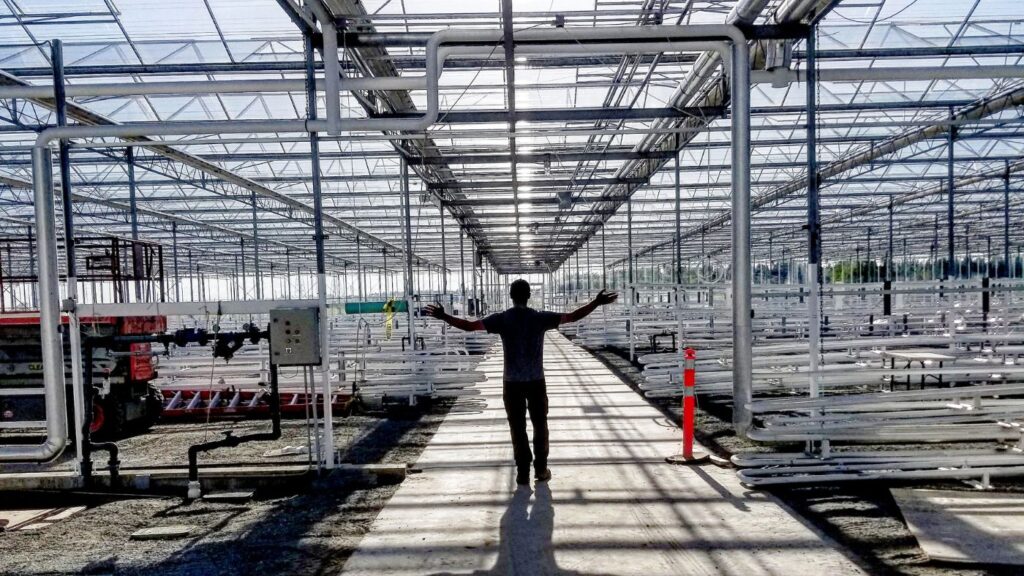 This guide covers the major considerations involved in planning and building a Virginia cannabis facility, with a focus on retail and cultivation operations and additional considerations relevant to processors and microbusinesses. It is written from the build side of the business, because that is where many otherwise-strong applicants stumble: they underestimate utility needs, local approvals, security infrastructure, commissioning, and the time required to convert a site into an inspection-ready operation.
 - Virginia Dual-Use Cannabis Conversion (2027): The $10M Medical-to-Adult-Use Pathway
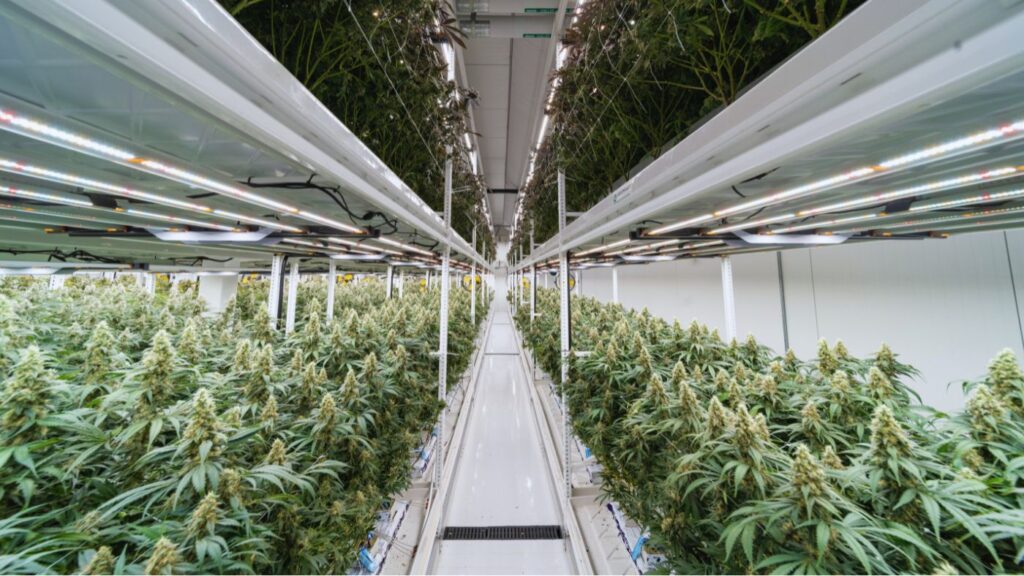 For Virginia’s existing medical cannabis operators, the 2026 retail framework created a distinct and high-stakes transition: pharmaceutical processors may apply for verification to exercise dual-use privileges and serve both registered medical patients and adult-use customers. The pathway covers the processor and its permitted cannabis dispensing facilities, and it carries a one-time $10 million fee, a required medical cannabis program preservation plan, an impact-licensee business accelerator commitment, and a firm May 1, 2027 payment or installment-plan deadline.
 - Virginia Impact Cannabis License (2027): Social Equity & the Equity Business Loan Fund
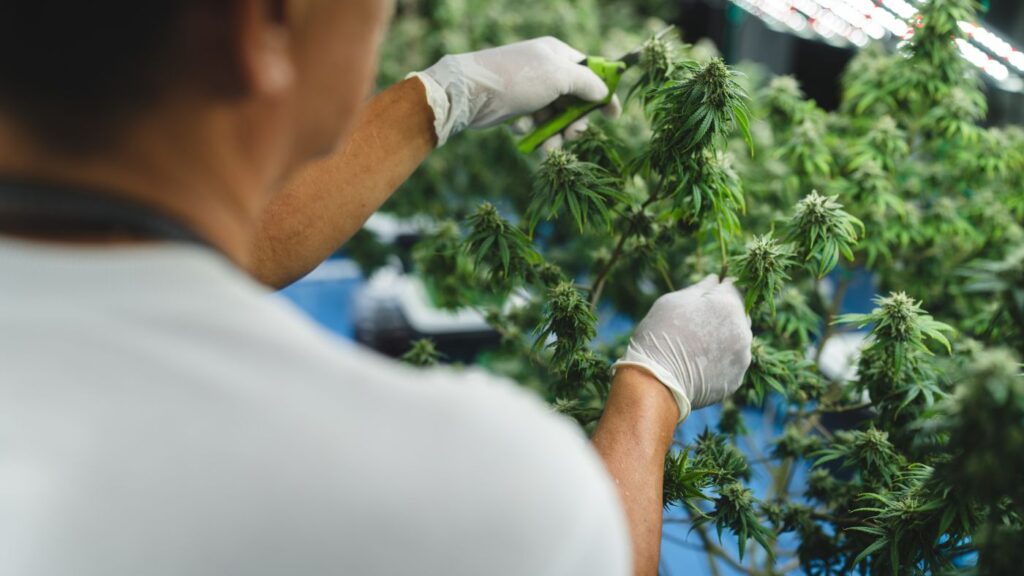 Virginia’s adult-use cannabis framework creates a meaningful pathway for applicants from communities and backgrounds affected by cannabis prohibition and enforcement. The law does not create a separate, stand-alone impact license. Instead, it creates an impact-licensee designation that qualifying applicants may pursue alongside an underlying marijuana establishment license, such as retail, cultivation, processing, microbusiness, transportation, delivery, or testing.
 - Virginia Cannabis Microbusiness License (2027): Eligibility & the Two-Location Model
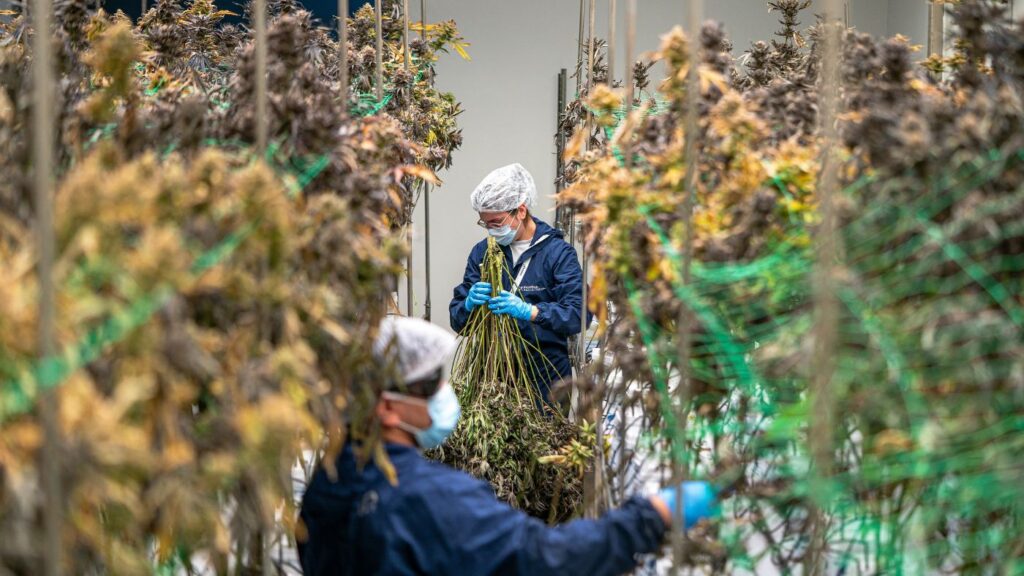 This guide explains the initial eligibility pathways for the licenses the CCA may issue by May 1, 2027, the difference between a microbusiness license and an impact designation, the indoor and outdoor cultivation limits, the precise rules governing two locations, and the financial, security, and operational readiness standards applicants should prepare to demonstrate. Several implementation details – including fees and the specific combination of privileges the CCA will authorize – still depend on forthcoming regulations.
 - Virginia Cannabis Cultivation License (2027): The Tiered System Explained
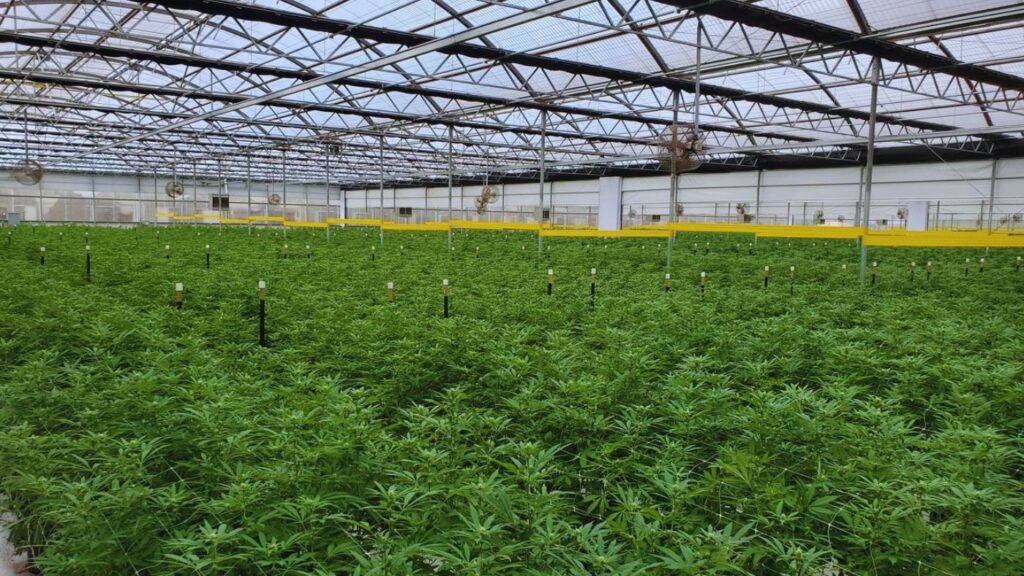 For operators whose strength is growing cannabis, Virginia’s emerging adult-use market presents a significant opportunity – and a cultivation license is the gateway to it. The June 2026 framework authorizes the Virginia Cannabis Control Authority (CCA) to begin accepting license applications on or after February 1, 2027 and issuing licenses on or after May 1, 2027. It also establishes five cultivation tiers with maximum canopies ranging from 5,000 to 35,000 square feet.