
Estimated reading time: 4 minutes
Table of contents
- The Marijuana Sales Bill and Its Potential Impact
- Key Features of New Jersey’s 2020 Recreational Cannabis Legislation
- Competition from the Illicit Market
- Preparing for New Jersey’s Recreational Cannabis Market in 2020 and Beyond
- Additional Resources
- Consulting Services For Cannabis, Hemp, Psilocybin, and Natural Medicine
- Testimonials and Public Relations
- Latest Articles
- Explore Our Articles
- Free Ebook – Start Your Own Legal Cannabis Business
In 2020, New Jersey voters approved a constitutional amendment to legalize marijuana, positioning the state as the fourth most populated state to legalize recreational cannabis. This monumental decision will pave the way for a new industry, potentially creating thousands of jobs and generating over $126 million in annual tax revenue once the market is established.
However, adults 21 and older will need to exercise patience before they can legally purchase and consume cannabis. While legalization is passed, New Jersey must still establish the rules and regulations governing the cannabis market. The state will also set up the licensing and application processes, which will be followed by a comprehensive review of applications and site inspections. This process could take years to complete. However, the introduction of the Marijuana Sales Bill (S-21/A-21) on November 5, 2020, might accelerate the timeline and get cannabis products onto the shelves sooner.
The Marijuana Sales Bill and Its Potential Impact
The bill, introduced by Sen. Nick Scutari (D) and Senate President Stephen Sweeney (D), provides the first detailed framework for how New Jersey’s cannabis market could function. Lawmakers hope to pass this legislation by November 16, 2020, and it could allow the state’s nine existing medical marijuana companies to sell excess cannabis to recreational users. However, the biggest hurdle is that there is currently no excess cannabis supply. Diverting medical marijuana to the recreational market could lead to shortages for patients who rely on cannabis for medical purposes.
New Jersey’s medical marijuana program, established in 2010, has registered over 80,000 patients. COVID-19 challenges and an expanded list of approved medical conditions have recently increased demand, creating further supply constraints. Many dispensaries in New Jersey are struggling to meet the rising demand for medical marijuana while also anticipating the additional pressure of recreational users. In a recent webinar, Sen. Scutari acknowledged that no current operators are fully prepared to start selling adult-use cannabis, emphasizing the need for additional infrastructure and operational readiness.
Key Features of New Jersey’s 2020 Recreational Cannabis Legislation
The new legislation allows adults aged 21 and older to purchase and possess up to an ounce of cannabis or five grams of cannabis concentrate. Retail dispensaries will be allowed to operate statewide, although local jurisdictions can impose temporary or permanent moratoriums. Importantly, delivery services will be permitted statewide, regardless of local bans. Additionally, dispensaries may allow on-site consumption, provided they have local approval.
A 6.625% state sales tax and a 2% municipal tax will be levied on cannabis purchases, making New Jersey’s cannabis tax the lowest in the nation. This relatively low tax rate aims to attract consumers away from the illicit market and into the regulated, legal market. Legal cannabis businesses will be required to follow stringent operational regulations, ensuring that all cannabis products undergo. Quality control and laboratory testing will be standard to meet high standards for safety and purity.
Competition from the Illicit Market
The legal cannabis market faces a major challenge from the black market, where illicit operators often undercut prices and sidestep regulations. These illegal vendors do not adhere to packaging, labeling, or lab-testing requirements, which are designed to ensure product safety. Scott Rudder, former New Jersey legislator and president of the CannaBusiness Association, commented on this issue, stating, “People are selling it on the street at a much lower rate. We want to make sure that our prices are much more attractive to people who want to go to a legal market and buy something they can trust.”
Despite these challenges, New Jersey is poised to become one of the largest adult-use cannabis markets in the world.
Preparing for New Jersey’s Recreational Cannabis Market in 2020 and Beyond
Although New Jersey has not yet begun issuing cannabis licenses, now is the perfect time for entrepreneurs to start planning. As the market moves swiftly, gaining a head start can provide a significant competitive advantage. Whether you’re drafting your business plan or scouting potential locations, starting early will give you the edge when the state begins accepting applications.
Explore business opportunities in New Jersey’s recreational cannabis market. Contact us today to learn more.
Andy is an Operations Advisor at Catalyst BC.
Additional Resources
Consulting Services For Cannabis, Hemp, Psilocybin, and Natural Medicine
- Consulting Services Overview
- Business Strategy
- Financial Planning
- Cannabis, Hemp, Psilocybin, & Natural Medicine Licensing and Applications
- Facility Design
- StartUp Support
- Genetic Development
- Business Turnaround
- Operational Optimization
- Vertical Farming
- Controlled Environmental Agriculture (CEA)
- State and Country Services Directory
- Blog
- Home
Testimonials and Public Relations
Latest Articles
- How Much Does It Cost to Open a Cannabis Dispensary in 2026
 The allure of jumping into the legalized cannabis industry often paints a picture of quick riches and burgeoning demand, yet the reality of establishing a licensed cannabis dispensary is far more nuanced, capital-intensive, and fraught with unique financial challenges. For aspiring entrepreneurs and seasoned investors alike, understanding the true dispensary startup costs is the absolute bedrock of success.
 - Virginia Cannabis Facility Design & Build-Out for the 2027 Market
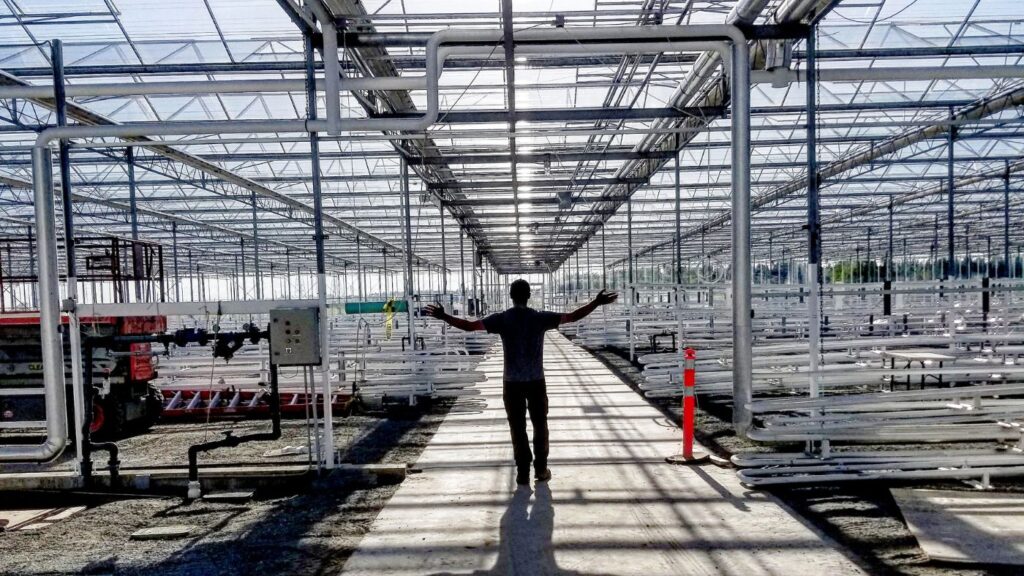 This guide covers the major considerations involved in planning and building a Virginia cannabis facility, with a focus on retail and cultivation operations and additional considerations relevant to processors and microbusinesses. It is written from the build side of the business, because that is where many otherwise-strong applicants stumble: they underestimate utility needs, local approvals, security infrastructure, commissioning, and the time required to convert a site into an inspection-ready operation.
 - Virginia Dual-Use Cannabis Conversion (2027): The $10M Medical-to-Adult-Use Pathway
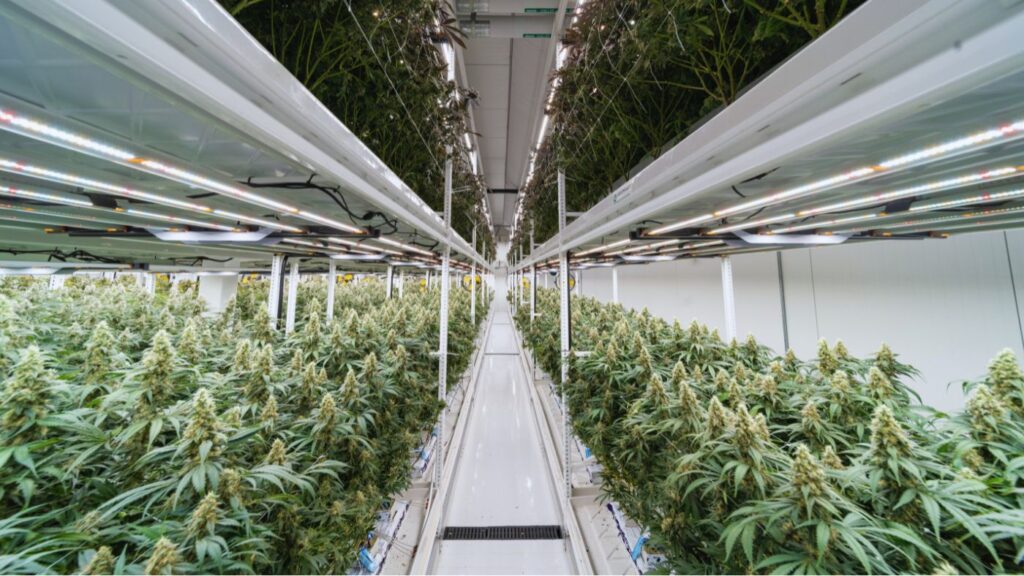 For Virginia’s existing medical cannabis operators, the 2026 retail framework created a distinct and high-stakes transition: pharmaceutical processors may apply for verification to exercise dual-use privileges and serve both registered medical patients and adult-use customers. The pathway covers the processor and its permitted cannabis dispensing facilities, and it carries a one-time $10 million fee, a required medical cannabis program preservation plan, an impact-licensee business accelerator commitment, and a firm May 1, 2027 payment or installment-plan deadline.
 - Virginia Impact Cannabis License (2027): Social Equity & the Equity Business Loan Fund
 Virginia’s adult-use cannabis framework creates a meaningful pathway for applicants from communities and backgrounds affected by cannabis prohibition and enforcement. The law does not create a separate, stand-alone impact license. Instead, it creates an impact-licensee designation that qualifying applicants may pursue alongside an underlying marijuana establishment license, such as retail, cultivation, processing, microbusiness, transportation, delivery, or testing.
 - Virginia Cannabis Microbusiness License (2027): Eligibility & the Two-Location Model
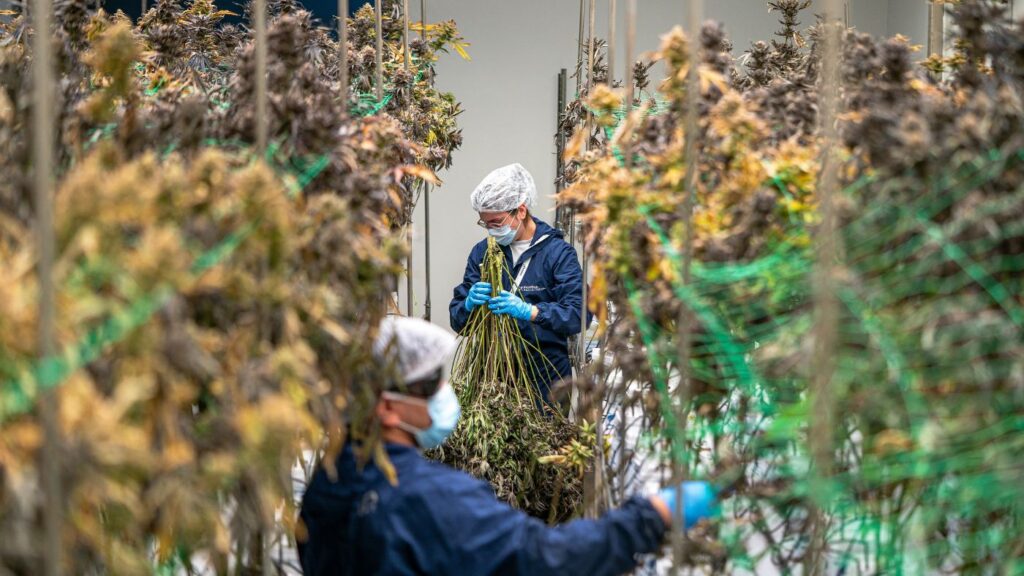 This guide explains the initial eligibility pathways for the licenses the CCA may issue by May 1, 2027, the difference between a microbusiness license and an impact designation, the indoor and outdoor cultivation limits, the precise rules governing two locations, and the financial, security, and operational readiness standards applicants should prepare to demonstrate. Several implementation details – including fees and the specific combination of privileges the CCA will authorize – still depend on forthcoming regulations.
 - Virginia Cannabis Cultivation License (2027): The Tiered System Explained
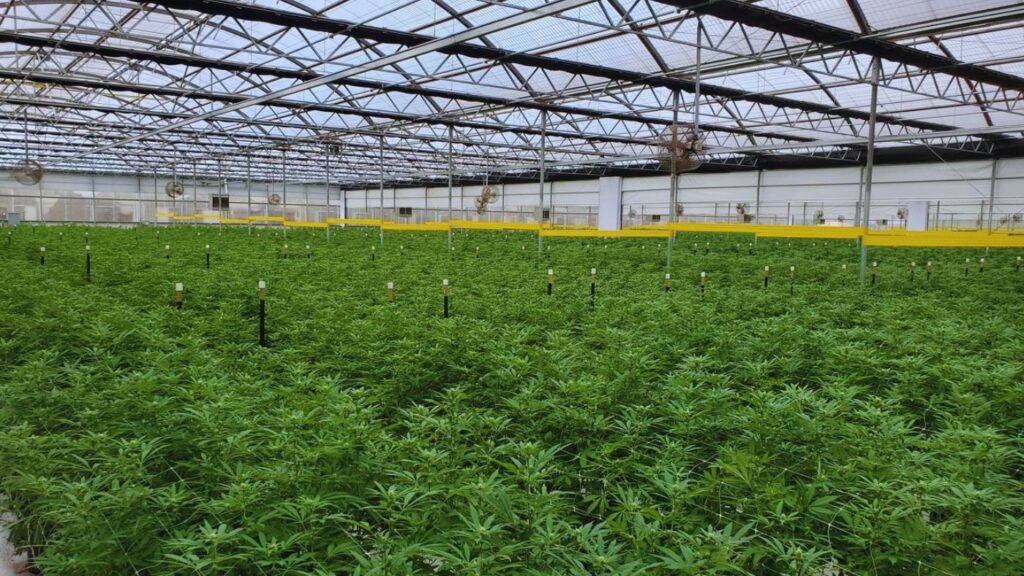 For operators whose strength is growing cannabis, Virginia’s emerging adult-use market presents a significant opportunity – and a cultivation license is the gateway to it. The June 2026 framework authorizes the Virginia Cannabis Control Authority (CCA) to begin accepting license applications on or after February 1, 2027 and issuing licenses on or after May 1, 2027. It also establishes five cultivation tiers with maximum canopies ranging from 5,000 to 35,000 square feet.
Explore Our Articles
cannabis applications Cannabis Bar Cannabis Business Optmization cannabis careers Cannabis Compliance Cannabis Consumption Cannabis Consumption Bar Cannabis Inventory Management Systems Cannabis Investors cannabis jobs Cannabis Legalization cannabis licensing Cannabis Lounge cannabis marketing Cannabis Operational Procedures cannabis outreach Cannabis Regulations Cannabis Security Cannabis Software Cannabis Startup Cannabis Supply Chain Cannabis Technology Colorado controlled environment agriculture Cultivation cultivation facility Dispensary Design facility design Financial Planning HVAC HVACD Iowa Kansas Legal Update Legislation Medical Cannabis Minnesota Natural Medicine Nebraska New York Odor Control Oregon Psilocybin Psychedelics Recreational Cannabis
Free Ebook – Start Your Own Legal Cannabis Business