
Estimated reading time: 8 minutes
Table of contents
- Introduction
- The November 2026 “Binary Event”
- Medical Market Expansion and the “Pigford” Cure
- Institutional Barriers to Entry and Costs
- Compliance in the 2026 “Aesthetic” Era
- Strategic Market Gaps
- Florida Cannabis Licensing & Business Opportunities 2026 FAQs
- Additional Resources
- Free eBooks For Cannabis Business Success
- Latest Articles
Cliff Notes: Florida’s Billion-Dollar Strategic Entry into Cannabis
Objective: Florida represents the most capital-intensive cannabis market in the U.S., currently standing at a crossroads between its mature medical program and a potential $2.6 billion adult-use transition in 2027. For those pursuing Florida cannabis licensing and business opportunities, success requires navigating massive institutional barriers and strict vertically integrated mandates
Key Components:
- The 2026 Binary Event: On November 3, 2026, voters will decide on Amendment 3; if passed with a 60% supermajority, it would immediately authorize existing MMTCs to serve the adult-use market.
- Mandatory Vertical Integration: Unlike other states, Florida currently requires every MMTC to own and operate the entire supply chain, with no “retail-only” options for small businesses.
- The “Pigford” Pathway: A critical deadline on July 1, 2026, mandates the issuance of long-delayed Black Farmer licenses, representing a final pathway for new vertically integrated entrants.
- Extreme Capital Requirements: Applicants must face a $146,000 non-refundable fee and post a $5 million performance bond within 10 days of licensure.
- 2026 Aesthetic Restrictions: By June 20, 2026, all inventory must meet new “medical-look” rules, prohibiting neon colors and multi-color designs on delivery hardware.
- Strategic Market Gaps: While MSOs dominate urban centers, significant opportunities remain in rural and underserved counties for entrepreneurs prepared for the 2027 rollout.
Florida’s high-stakes market offers massive rewards but carries immense regulatory risks. Contact Catalyst BC today for expert support in financial modeling, performance bond acquisition, and navigating the OMMU’s strict 2026 compliance standards to secure your place in this billion-dollar industry.
Introduction
Florida represents the most capital-intensive and professionally structured cannabis market in the nation. As of 2026, the state is at a crossroads: it is both expanding its mature medical program and preparing for a potential constitutional shift toward universal adult-use access.
The November 2026 “Binary Event”
On November 3, 2026, Florida voters will decide on the Marijuana Legalization Initiative (Amendment 3). Passing this requires a 60% supermajority—a high threshold, but one that polls suggest is within reach. If successful, the amendment would immediately authorize the 22+ Medical Marijuana Treatment Centers (MMTCs) to serve the adult-use market, which is projected to reach $2.6 billion by 2027.
Medical Market Expansion and the “Pigford” Cure
While the adult-use debate continues, the medical market is actively expanding. State law mandates the issuance of four new MMTC licenses for every 100,000 new patients added to the registry.
A critical 2026 priority is the resolution of the Black Farmer (Pigford) licenses. Legislation such as SB 1242 requires the Department of Health to issue these long-delayed licenses by July 1, 2026, allowing heirs and legal partners of the original class members to cure application deficiencies. This represents the only remaining pathway for new “vertically integrated” entrants before the potential decoupling of the market following the 2026 election.
Institutional Barriers to Entry and Costs
Entry into Florida’s cannabis market requires massive institutional capital. Because the state currently mandates vertical integration, every MMTC must cultivate, process, and dispense their own products—there is no path for “retail-only” or “cultivation-only” small businesses at this time.
| Requirement | Estimated Cost | Regulatory Reference |
| Application Fee | $146,000 | Non-refundable . |
| Performance Bond | $5,000,000 | Required within 10 days of licensure . |
| Biennial Renewal | $1,330,000 | Due every two years . |
| Working Capital | $500,000 – $2M+ | Covers build-out, security, and the first 5 months of burn. |
Compliance in the 2026 “Aesthetic” Era
Florida’s Office of Medical Marijuana Use (OMMU) has moved to strictly enforce a “medical” look for the industry. Under Rule 64ER25-6, neon colors and multi-color designs are prohibited for all delivery devices (vapes, hardware). Furthermore, mobile applications are prohibited from offering “reserve or purchase” functionality, forcing patients to utilize websites or in-person visits for orders.
By June 20, 2026, all previously approved inventory that does not meet these solid-color/subdued-branding rules must be removed from shelves. Operators must also maintain a seed-to-sale tracking system and pass Level 2 background screenings for all owners and officers.
Strategic Market Gaps
While major MSOs dominate urban centers like Miami and Orlando, a maturing market of 738 dispensaries has created “market gaps” in rural and underserved counties. Entrepreneurs entering in 2026 and 2027 should focus on these underserved regions and prepare for the 2027 rollout of “non-medical” licenses if the 2026 initiative passes.
The Florida market offers massive rewards but carries immense regulatory risks and capital requirements. If you are pursuing a Florida MMTC license or preparing for the adult-use transition, contact Catalyst BC for comprehensive support in financial modeling, performance bond acquisition, and navigating the OMMU’s strict 2026 compliance standards.
Florida Cannabis Licensing & Business Opportunities 2026 FAQs
Adult-use legalization will be decided by voters on November 3, 2026, through the Marijuana Legalization Initiative (Amendment 3) . The measure requires a 60% supermajority to pass; if successful, it would allow adults 21+ to possess up to 3 ounces of marijuana .
The Pigford license is a category reserved for Black farmers with ties to federal discriminatory lending litigation. Legislation (SB 1242) mandates that the Department of Health must issue these long-delayed licenses by July 1, 2026, provided all other requirements are met .
Entry into the Florida market is extremely capital-intensive. The non-refundable application fee is $146,000, and successful applicants must post a $5 million performance bond within 10 days of licensure . The biennial (every two years) license renewal fee is $1,330,000 .
Currently, yes. Every Medical Marijuana Treatment Center (MMTC) must own and operate the entire supply chain, from cultivation and processing to dispensing . However, if the 2026 adult-use amendment passes, the legislature may create new “non-medical” license types that do not require vertical integration .
Under Rule 64ER25-6, all marijuana delivery devices (vapes, pens) must be a single solid color or clear. Neon colors, multi-color designs, and branding other than the MMTC logo and manufacturer name are prohibited . All non-compliant stock must be removed by June 20, 2026.
MMTCs may operate mobile apps for marketing, but they are strictly prohibited from including any functionality that allows patients to reserve or purchase usable products or delivery devices.
Physician certifications for medical marijuana expire every 210 days (approximately 7 months) . Patients must undergo a re-evaluation by a qualified physician to maintain active status in the Medical Marijuana Use Registry (MMUR).
Yes. New rules for 2026 mandate that any illuminated signage or exterior lighting for a dispensing facility must be in white or yellow light only .
All owners, officers, board members, and managers of an MMTC must pass a Level 2 background screening . Individuals with certain prior drug-related convictions may be disqualified .
The transition to a projected $2.6 billion adult-use market will require immediate infrastructure scaling and strict compliance with evolving OMMU rules. Contact Catalyst BC for support; their industry-leading consultants specialize in financial modeling for high-capital markets and performance bond acquisition, providing the strategic guidance necessary to win in Florida’s hyper-competitive environment.
Additional Resources
Free eBooks For Cannabis Business Success




Latest Articles
- Missouri Cannabis Licensing & Business Opportunities 2026
 Missouri has established itself as the premier success story for cannabis in the Midwest, evolving from a standard medical regime to a high-volume adult-use market that exceeded $1.52 billion in annual sales in 2025. As the market enters the 2026–2027 biennium, the landscape is shifting from rapid expansion toward operational maturation and specialized entry.
 - North Carolina Cannabis Licensing & Business Opportunities 2026
 North Carolina remains one of the final significant jurisdictions in the United States without a comprehensive medical or adult-use cannabis program. However, the 2026–2027 biennium is projected to be the most consequential period in the state’s cannabis history. Driven by the formation of the North Carolina Advisory Council on Cannabis and an impending federal “hemp cliff,” the state is moving from a period of passive prohibition toward a structured, albeit highly restrictive, regulatory framework.
 - Nebraska Cannabis Licensing & Business Opportunities 2026
 Nebraska is entering the 2026–2027 biennium at a historic crossroads. Following the 71% voter approval of Initiatives 437 and 438 in late 2024—the largest margin for a medical cannabis initiative in U.S. history—the state is currently standing up its first regulated medical infrastructure.
 - Florida Cannabis Licensing & Business Opportunities 2026
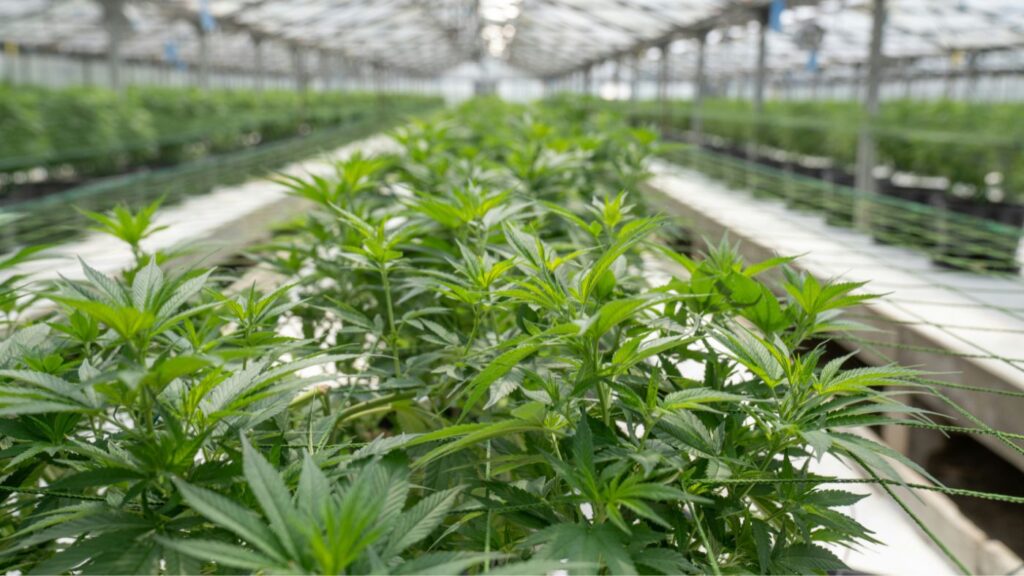 Florida represents the most capital-intensive and professionally structured cannabis market in the nation. As of 2026, the state is at a crossroads: it is both expanding its mature medical program and preparing for a potential constitutional shift toward universal adult-use access. On November 3, 2026, Florida voters will decide on the Marijuana Legalization Initiative (Amendment 3). Passing this requires a 60% supermajority—a high threshold, but one that polls suggest is within reach.
 - Virginia Cannabis Licensing & Business Opportunities 2026
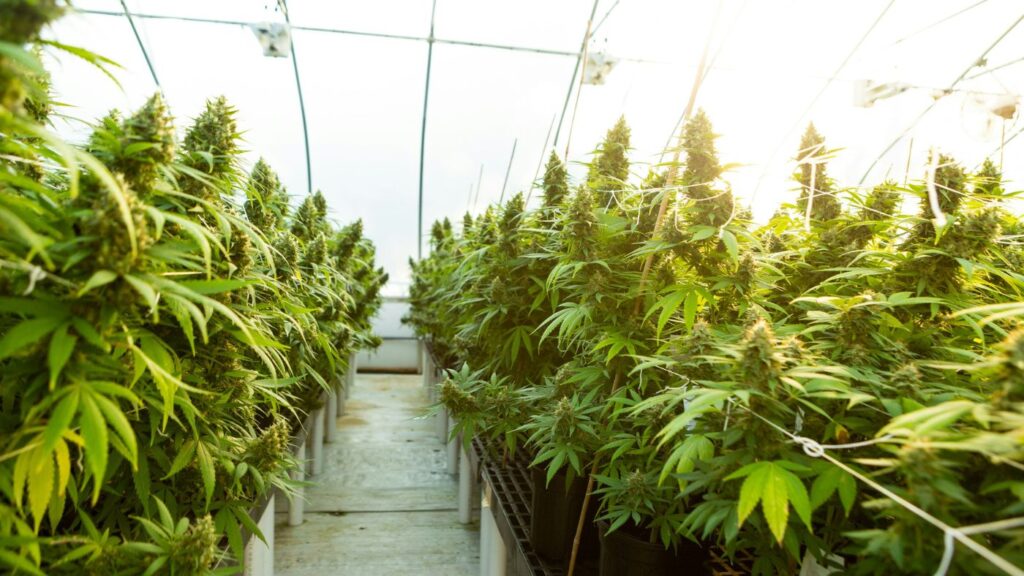 As Virginia transitions from its current “possession-only” model toward a fully regulated retail market, the 2026–2027 biennium represents a once-in-a-generation window for market entry. Unlike the vertically integrated “medical-only” regimes of the past, Virginia’s upcoming framework focuses on decentralization, specifically architected to favor small Virginia-based operators over large multi-state corporations.
 - Minnesota Cannabis Licensing & Business Opportunities 2026
 Minnesota is currently undergoing a transformative shift in its cannabis landscape, moving from a semi-regulated hemp-derived market toward a fully comprehensive adult-use framework. Overseen by the Office of Cannabis Management (OCM), the 2026–2027 biennium represents the critical “enforcement phase” where temporary registrations sunset and permanent, merit-based licenses define the market’s long-term leaders.