
Estimated reading time: 6 minutes
Table of contents
Introduction
Pennsylvania is poised at a critical juncture as debates over cannabis legalization intensify. Democratic Gov. Josh Shapiro has consistently championed adult-use cannabis reform, arguing that a system of taxation and regulation is long overdue. However, with a divided state government and contrasting views among lawmakers, the path to reform remains uncertain as 2025 approaches.
A Call for Reform
In his February 4 address, Gov. Shapiro renewed his call for adult-use legalization, stressing that Pennsylvania is losing valuable revenue to neighboring states. “We’re losing out on revenue that’s going to other states instead of helping us right here,” he said. He urged state lawmakers to come together and send him legislation that not only legalizes adult-use cannabis but also expunges records for nonviolent marijuana offenses and establishes reasonable regulations that protect public safety and support communities affected by past cannabis policies.
Legislative Dynamics and Challenges
While Shapiro awaits action from the Legislature, dissent among Pennsylvania’s GOP leaders highlights the challenges ahead. Senate President Pro Tempore Kim Ward criticized the governor’s approach, stating, “If [Shapiro] wants something done, he needs to lead on it. He can’t throw an idea out there and say, ‘Let the Legislature figure it out; I’ll sign it.’” This friction underscores a larger issue in the Keystone State’s divided government—Democrats hold a narrow one-seat majority in the House, while Republicans control the Senate with a 28-22 margin. Notably, no state has yet legalized adult-use cannabis through a divided legislature.
Bipartisan Efforts and the Road Ahead
Despite these challenges, bipartisan momentum is building in Pennsylvania. Near the close of last year’s session, Representatives Aaron Kaufer (R-Luzerne) and Emily Kinkead (D-Allegheny) introduced legislation with 15 co-sponsors to legalize adult-use cannabis. Similarly, Senators Sharif Street (D-Philadelphia) and Dan Laughlin (R-Erie) have worked together on previous legalization bills and recently circulated a bipartisan co-sponsorship memo on February 25 for a 2025 bill. Their memo emphasizes that “legalizing marijuana enables the state to regulate the industry, ensuring that products are tested for safety, purity, and potency,” a move aimed at protecting consumers and curbing the unregulated black market.
Nonetheless, frustration remains. Following the governor’s budget address, Laughlin criticized Shapiro for not taking a more proactive role, stating, “Simply projecting revenue without crafting a functional plan does nothing to move Pennsylvania forward.” He further labeled the proposed 26% effective tax rate on cannabis as “excessive” and “counterproductive,” pledging to work with colleagues from both sides of the aisle to develop a “responsible and effective legalization” plan.
Conclusion
Pennsylvania’s journey toward cannabis legalization in 2025 hinges on overcoming a divided government and fostering true bipartisan cooperation. With strong public support and neighboring states forging ahead, the pressure is mounting on Pennsylvania lawmakers to act. As Gov. Shapiro and his legislative counterparts navigate these challenges, the Keystone State remains a key battleground in the nationwide push for cannabis reform—a move that could finally position Pennsylvania among the leaders in modern cannabis regulation.
Learn more about our full-service cannabis and hemp consulting services tailored to Pennsylvania’s unique market needs.
Cannabis Legalization Pennsylvania 2025 FAQs
No, recreational cannabis is not legal in Pennsylvania, but possession of small amounts is decriminalized in some of the state’s largest cities. Medical use of cannabis has been legal in Pennsylvania since 2016.
The Pennsylvania cannabis laws restrict dispensaries from allowing anyone without a medical marijuana card in Pennsylvania into the dispensary. If you do not have a card, you will not be allowed inside the facility. Once you have your card, remember to bring your state ID with you as well to be admitted.
Delta 8 and Delta 10 are both illegal in the state of Pennsylvania and that Delta 9 is illegal beyond the concentration of 0.3% of THC.
No, in order to enter a PA dispensary, you must have on you both a valid medical marijuana card and photo ID or driver’s license. Your card will typically arrive by mail from the state within two weeks of certification.
Patients have access to pills, extracts, liquids, topicals, patches, and flower. Each of the six forms of medical marijuana provides patients with different benefits that are more suitable for treating certain conditions and gives patients a variety of options.
Pennsylvania dispensaries cannot dispense more than a 90-day supply (192 medical marijuana units) to a patient or caregiver until they have less than a 7-day supply remaining. A unit of Marijuana is: 3.5 grams of flower. 1 gram of concentrate.
The state has a strict law on reciprocity. Pennsylvania only allows out-of-state medical marijuana cardholders to purchase if they are a resident of a state that has an agreement with Pennsylvania.
Additional Resources
Free eBooks For Cannabis Business Success




Latest Articles
- Missouri Cannabis Licensing & Business Opportunities 2026
 Missouri has established itself as the premier success story for cannabis in the Midwest, evolving from a standard medical regime to a high-volume adult-use market that exceeded $1.52 billion in annual sales in 2025. As the market enters the 2026–2027 biennium, the landscape is shifting from rapid expansion toward operational maturation and specialized entry.
 - North Carolina Cannabis Licensing & Business Opportunities 2026
 North Carolina remains one of the final significant jurisdictions in the United States without a comprehensive medical or adult-use cannabis program. However, the 2026–2027 biennium is projected to be the most consequential period in the state’s cannabis history. Driven by the formation of the North Carolina Advisory Council on Cannabis and an impending federal “hemp cliff,” the state is moving from a period of passive prohibition toward a structured, albeit highly restrictive, regulatory framework.
 - Nebraska Cannabis Licensing & Business Opportunities 2026
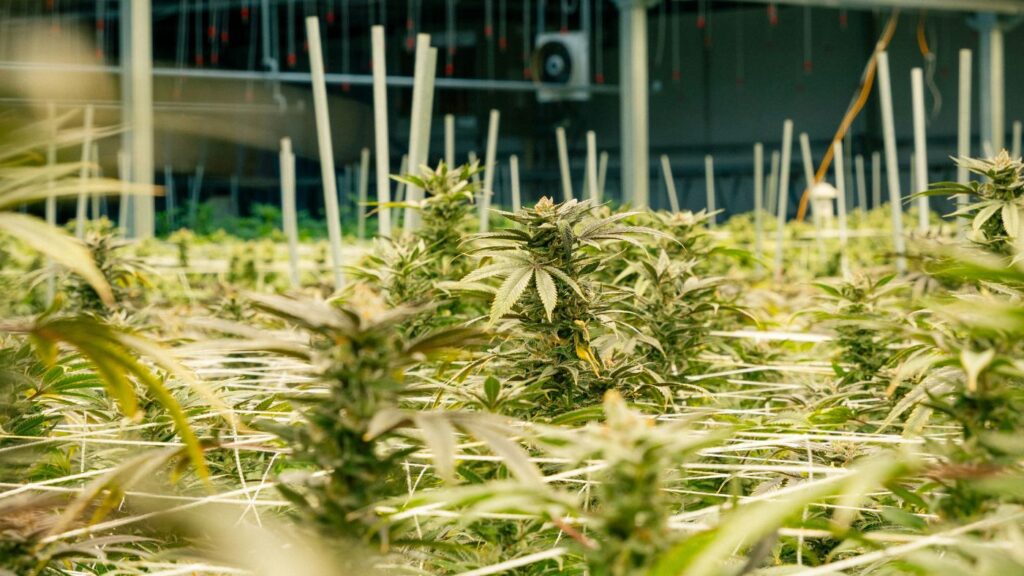 Nebraska is entering the 2026–2027 biennium at a historic crossroads. Following the 71% voter approval of Initiatives 437 and 438 in late 2024—the largest margin for a medical cannabis initiative in U.S. history—the state is currently standing up its first regulated medical infrastructure.
 - Florida Cannabis Licensing & Business Opportunities 2026
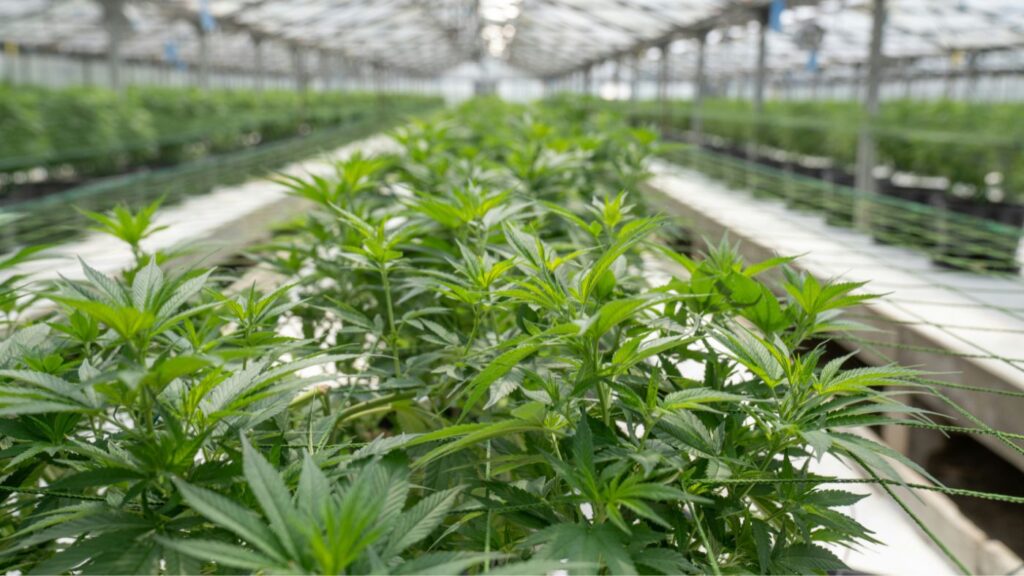 Florida represents the most capital-intensive and professionally structured cannabis market in the nation. As of 2026, the state is at a crossroads: it is both expanding its mature medical program and preparing for a potential constitutional shift toward universal adult-use access. On November 3, 2026, Florida voters will decide on the Marijuana Legalization Initiative (Amendment 3). Passing this requires a 60% supermajority—a high threshold, but one that polls suggest is within reach.
 - Virginia Cannabis Licensing & Business Opportunities 2026
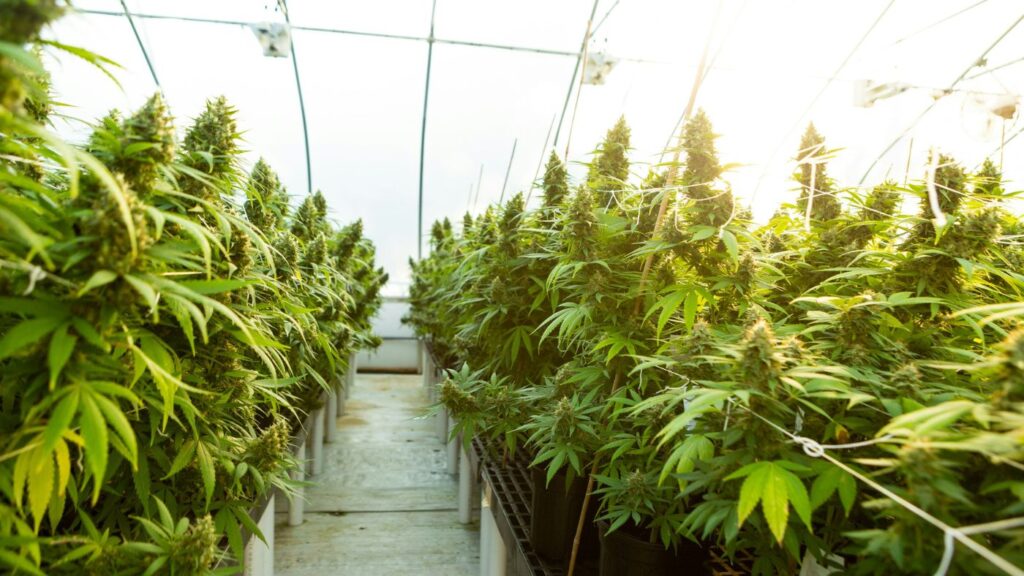 As Virginia transitions from its current “possession-only” model toward a fully regulated retail market, the 2026–2027 biennium represents a once-in-a-generation window for market entry. Unlike the vertically integrated “medical-only” regimes of the past, Virginia’s upcoming framework focuses on decentralization, specifically architected to favor small Virginia-based operators over large multi-state corporations.
 - Minnesota Cannabis Licensing & Business Opportunities 2026
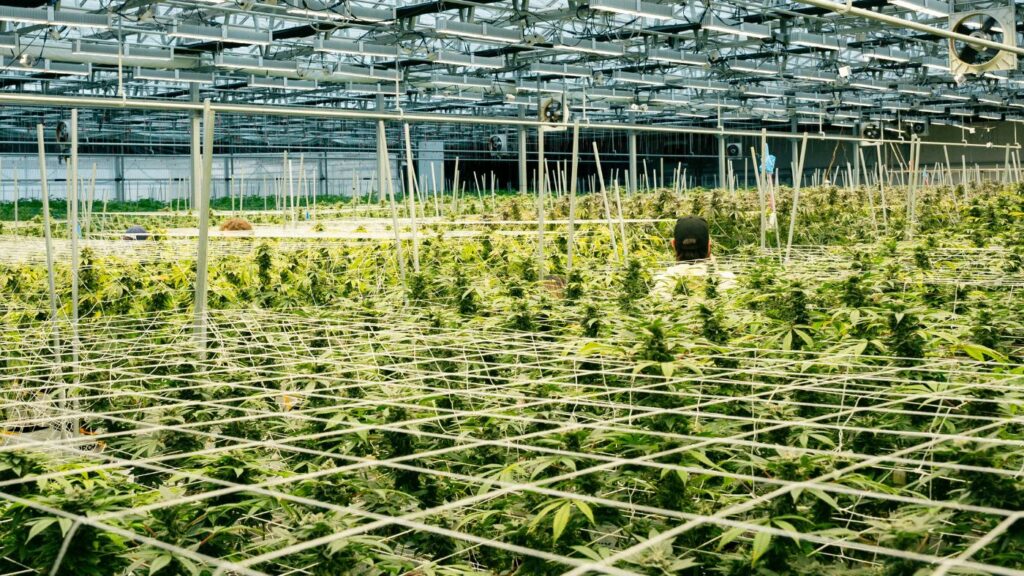 Minnesota is currently undergoing a transformative shift in its cannabis landscape, moving from a semi-regulated hemp-derived market toward a fully comprehensive adult-use framework. Overseen by the Office of Cannabis Management (OCM), the 2026–2027 biennium represents the critical “enforcement phase” where temporary registrations sunset and permanent, merit-based licenses define the market’s long-term leaders.