
Estimated reading time: 5 minutes
Table of contents
Introduction
North Carolina remains one of the few states without a medical cannabis program, despite strong support among voters. In recent years, the North Carolina Senate has passed medical cannabis legalization bills in both 2022 and 2023—most notably, a 36-10 supermajority in support of allowing qualified patients access to cannabis. However, these efforts have stalled in the House, leaving the state’s medical cannabis future uncertain as we look toward 2025.
Legislative Setbacks in the House
Both Senate bills failed to advance in the lower chamber. Former House Speaker Tim Moore explained that under his leadership, a bill could not proceed unless it had sufficient backing from his caucus. Even proposals with 100% Democratic support, but only 49% Republican backing, did not meet the threshold. Although the House recently elected a new speaker for the first time in 10 years, early signals are not optimistic for reform. Rep. Destin Hall, R-Caldwell—who has long opposed medical cannabis legalization—now holds the keys to the floor, potentially stalling future efforts.
Senate Support and Public Opinion
In contrast to the House, the upper chamber remains more receptive to reform. Senate President Pro Tempore Phil Berger, R-Guilford, has indicated openness to legalization—as long as any legislation addresses concerns regarding unregulated THC products derived from hemp. “It seems to me that there’s an opportunity there to address the medical marijuana issue at some point during the session,” Berger told Queen City News on January 29.
Senate Minority Leader Sydney Batch, D-Wake, has highlighted that medical cannabis, along with casinos, are nonpartisan issues the General Assembly could tackle. This sentiment is echoed by North Carolina voters: a September 2024 WRAL News poll found that 70% support medical cannabis legalization, and a February 2024 Meredith College survey reported 71% support.
Conclusion
With no cannabis legalization reform bills filed as of mid-February and the legislative session set to run through July 31, North Carolina remains one of eight states without a medical cannabis program—even when compared to states with very restrictive models like Texas. Meanwhile, the state’s 21-and-older population already has limited access to adult-use cannabis on the Eastern Band of Cherokee Indians’ reservation in the Qualla Boundary. As North Carolina heads into 2025, the future of Cannabis Legalization North Carolina hangs in the balance, with a divided House posing a significant obstacle despite robust Senate backing and widespread public support.
Cannabis Legalization North Carolina 2025 FAQs
No, recreational marijuana is not legal in North Carolina. It is only legal for limited medical use.
In the state of North Carolina, you cannot purchase cannabis from dispensaries without a medical card. The state’s medical cannabis program requires individuals to have a qualifying condition and possess a medical cannabis card to buy cannabis products legally.
Anyone over 21 with a valid ID can purchase THC products in Western North Carolina. Sales began Sept. 7, 2024 at 10 a.m. at the old bingo hall on the western end of the Qualla Boundary.
While North Carolina has yet to legalize recreational marijuana, there are strict prohibitions in place against the sale and distribution of cannabis, including the following: Sale 10 pounds or less: A Class I felony punishable by three to eight months imprisonment and a discretionary fine for a first offense.
No, you cannot buy marijuana in North Carolina for recreational use, except for limited medical use. Possession of 0.5 ounces or less is decriminalized for people with three or fewer misdemeanor convictions.
In the state of North Carolina the following medical conditions can qualify patients for a medical marijuana card are the following, positive status for human immunodeficiency virus (HIV), acquired immune deficiency syndrome (AIDS), cancer, epilepsy, amyotrophic lateral sclerosis (ALS), Crohn’s disease, and more.
Additional Resources
Free eBooks For Cannabis Business Success




Latest Articles
- Missouri Cannabis Licensing & Business Opportunities 2026
 Missouri has established itself as the premier success story for cannabis in the Midwest, evolving from a standard medical regime to a high-volume adult-use market that exceeded $1.52 billion in annual sales in 2025. As the market enters the 2026–2027 biennium, the landscape is shifting from rapid expansion toward operational maturation and specialized entry.
 - North Carolina Cannabis Licensing & Business Opportunities 2026
 North Carolina remains one of the final significant jurisdictions in the United States without a comprehensive medical or adult-use cannabis program. However, the 2026–2027 biennium is projected to be the most consequential period in the state’s cannabis history. Driven by the formation of the North Carolina Advisory Council on Cannabis and an impending federal “hemp cliff,” the state is moving from a period of passive prohibition toward a structured, albeit highly restrictive, regulatory framework.
 - Nebraska Cannabis Licensing & Business Opportunities 2026
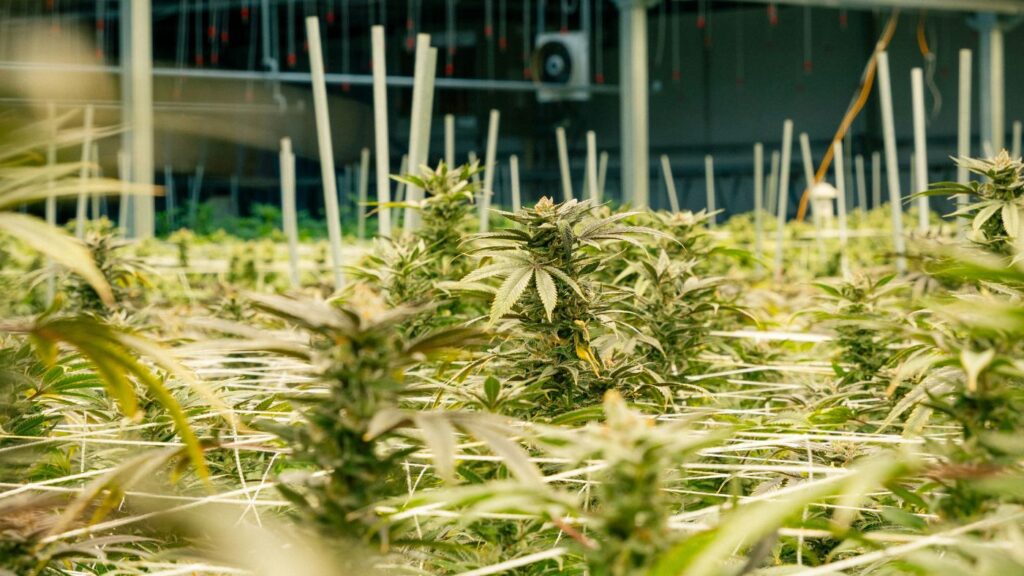 Nebraska is entering the 2026–2027 biennium at a historic crossroads. Following the 71% voter approval of Initiatives 437 and 438 in late 2024—the largest margin for a medical cannabis initiative in U.S. history—the state is currently standing up its first regulated medical infrastructure.
 - Florida Cannabis Licensing & Business Opportunities 2026
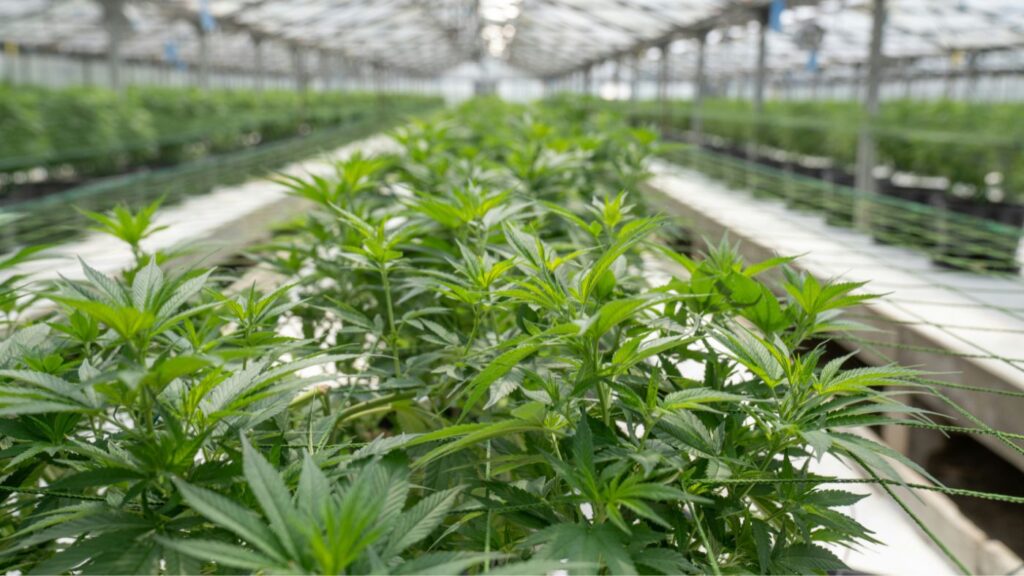 Florida represents the most capital-intensive and professionally structured cannabis market in the nation. As of 2026, the state is at a crossroads: it is both expanding its mature medical program and preparing for a potential constitutional shift toward universal adult-use access. On November 3, 2026, Florida voters will decide on the Marijuana Legalization Initiative (Amendment 3). Passing this requires a 60% supermajority—a high threshold, but one that polls suggest is within reach.
 - Virginia Cannabis Licensing & Business Opportunities 2026
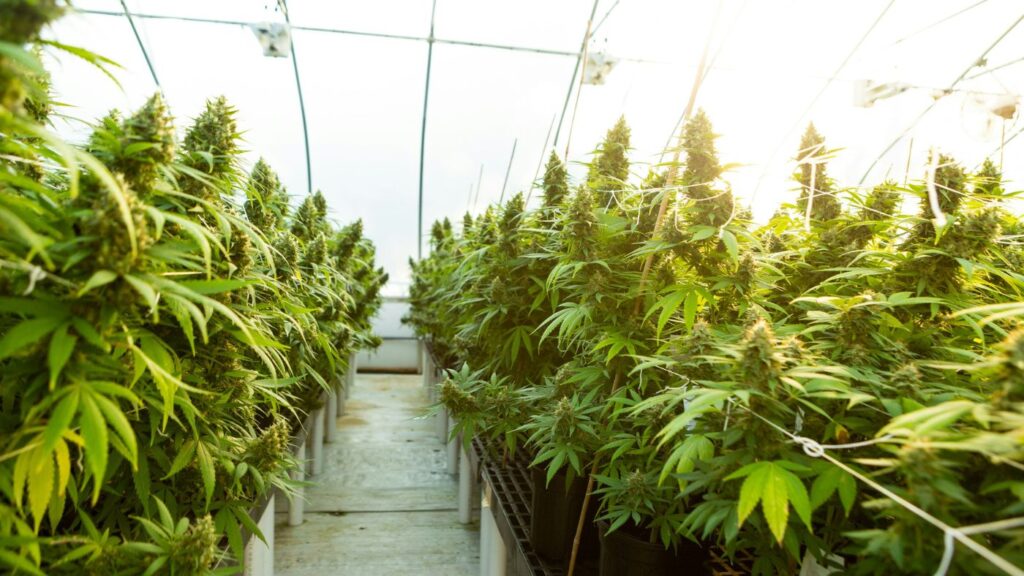 As Virginia transitions from its current “possession-only” model toward a fully regulated retail market, the 2026–2027 biennium represents a once-in-a-generation window for market entry. Unlike the vertically integrated “medical-only” regimes of the past, Virginia’s upcoming framework focuses on decentralization, specifically architected to favor small Virginia-based operators over large multi-state corporations.
 - Minnesota Cannabis Licensing & Business Opportunities 2026
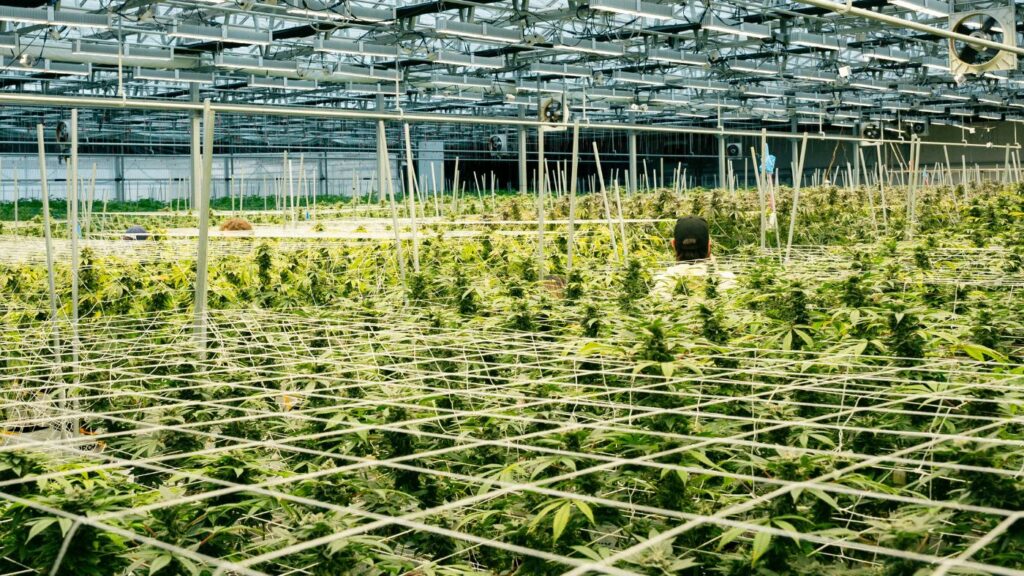 Minnesota is currently undergoing a transformative shift in its cannabis landscape, moving from a semi-regulated hemp-derived market toward a fully comprehensive adult-use framework. Overseen by the Office of Cannabis Management (OCM), the 2026–2027 biennium represents the critical “enforcement phase” where temporary registrations sunset and permanent, merit-based licenses define the market’s long-term leaders.