We know cultivation plays a critical role in the success of the Canadian cannabis market. But what challenges does Canada face when it comes to growing consistently high-quality cannabis? And what’s next in the world of horticulture? The seventh episode of Extracted, was recorded live from the Lift & Co. Expo in Vancouver. We were fortunate to sit down with horticulture expert, Michael Williamson and get his thoughts on the evolution of cannabis cultivation.
Michael got his start in pharmaceuticals, working primarily with MS patients. Diagnosed with MS himself, he discovered that cannabis was a better way for patients to get symptom relief. He started a retail dispensary called Kind Love in Denver, which later became vertically-integrated and added a purpose-built cultivation facility under Michael’s leadership.
Michael is now the Director of Cultivation for Pipp Horticulture based in San Francisco. With a background in client care, retail and cultivation, Michael brings a unique perspective to the industry and is the perfect person to chat with about what lies ahead.
CULTIVATING BASED ON THE CUSTOMER.
It’s clear that Michael gained valuable knowledge from his retail experience that relates to cultivation. “A lot of cultivators base decisions off grower feedback…but growers may not be the demographic.” Michael believes that what grows well shouldn’t be the only deciding factor. Instead, his company made the majority of cultivation decisions based on feedback from their retail customers.
“The end user is who’s driving your business.”
GOING ALL OUT, INDOORS.
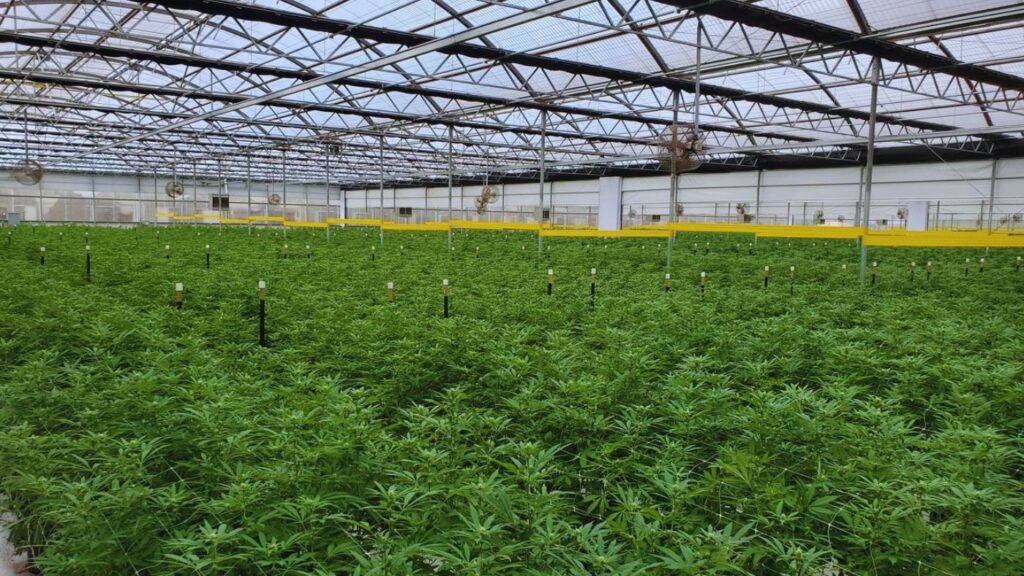
Michael is a major advocate for indoor growing and believes greenhouses play a key role, especially when it comes to extraction. Of course, operating a greenhouse that produces consistent quality is easier said than done. As Michael says “With greenhouses, there doesn’t seem to be a secret sauce or a secret weapon.” So what are the key factors that determine success? The first has to do with choosing the right cultivar.
“A lot of people focus on greenhouse and environment and that’s a key element but (it’s) the cultivar. Let the genetics do the heavy lifting for you.”
The other critical factor for a greenhouse or any type of growing says Michael, is time. “To learn your environment, cultivars, your system, your team, it takes time. Especially in a greenhouse with that seasonality.”
CULTIVATION ACROSS BORDERS.
Having worked in the US cannabis industry for many years, Michael has a clear view on what makes the Canadian market different from our southern neighbours. Some of the challenges he sees in Canada are the restriction of cultivar access and the requirements of going public. He also admits that cannabis in Canada is held to a higher standard which makes things more challenging operationally.
“The challenges are immense but I think that’s the opportunity as well.”
At the same time, he notes that some of the Canadian trends are now becoming apparent in the US. He says, “More people are talking about GMP facilities…It’s nice that some of that is spilling over from Canada.”
WHAT’S GROWING NEXT.
Michael touched on several innovations, while acknowledging that the future of cultivation starts with craft growers and LP’s coming together. He maintains that craft growers have plenty to offer a large LP. “(They have) genetics but also knowledge, and intimacy with those cultivars to help them get to a pristine product faster.”
“I think the future is some of the craft farmers are holding on to some really unique genetics and they need to find a partnership.”
Beyond collaboration, Michael sees the next stage including more automation, advancements in tissue culture, and the potential of drone-based Integrated Pest Management (IPM). Ultimately, he sees cannabis evolving through a combination of “humans and innovation, paired with science.”
PERSONAL PASSION COMES THROUGH.
While Michael’s professional path with cannabis is certainly unique, his personal journey explains why he’s so passionate about the plant. Before cannabis, Michael wasn’t sure if he’d ever walk again, or whether seizures would be part of his life forever. Working in the cannabis industry is not a nine-to-five job for Michael. It’s much more personal than that.
Listen to the full episode for more cultivation insights and stay tuned for more episodes live from Lift.
Michael is now the Chief Operating Officer of Catalyst BC and has consulted on numerous cannabis cultivation facilities. Follow Michael on LinkedIn.
Source: Valens Company
Additional Resources
Consulting Services For Cannabis, Hemp, Psilocybin, and Natural Medicine
- Consulting Services Overview
- Business Strategy
- Financial Planning
- Cannabis, Hemp, Psilocybin, & Natural Medicine Licensing and Applications
- Facility Design
- StartUp Support
- Genetic Development
- Business Turnaround
- Operational Optimization
- Vertical Farming
- Controlled Environmental Agriculture (CEA)
- State and Country Services Directory
- Blog
- Home
Testimonials and Public Relations
Latest Articles
- How Much Does It Cost to Open a Dispensary in 2026?
 The allure of jumping into the legalized cannabis industry often paints a picture of quick riches and burgeoning demand, yet the reality of establishing a licensed cannabis dispensary is far more nuanced, capital-intensive, and fraught with unique financial challenges. For aspiring entrepreneurs and seasoned investors alike, understanding the true dispensary startup costs is the absolute bedrock of success.
 - Virginia Cannabis Facility Design & Build-Out for the 2027 Market
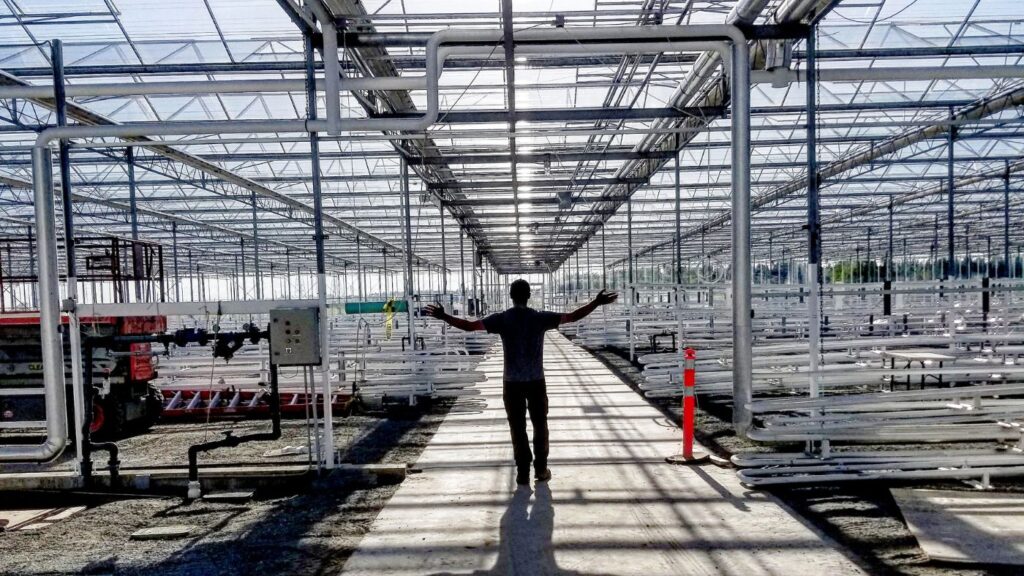 This guide covers the major considerations involved in planning and building a Virginia cannabis facility, with a focus on retail and cultivation operations and additional considerations relevant to processors and microbusinesses. It is written from the build side of the business, because that is where many otherwise-strong applicants stumble: they underestimate utility needs, local approvals, security infrastructure, commissioning, and the time required to convert a site into an inspection-ready operation.
 - Virginia Dual-Use Cannabis Conversion (2027): The $10M Medical-to-Adult-Use Pathway
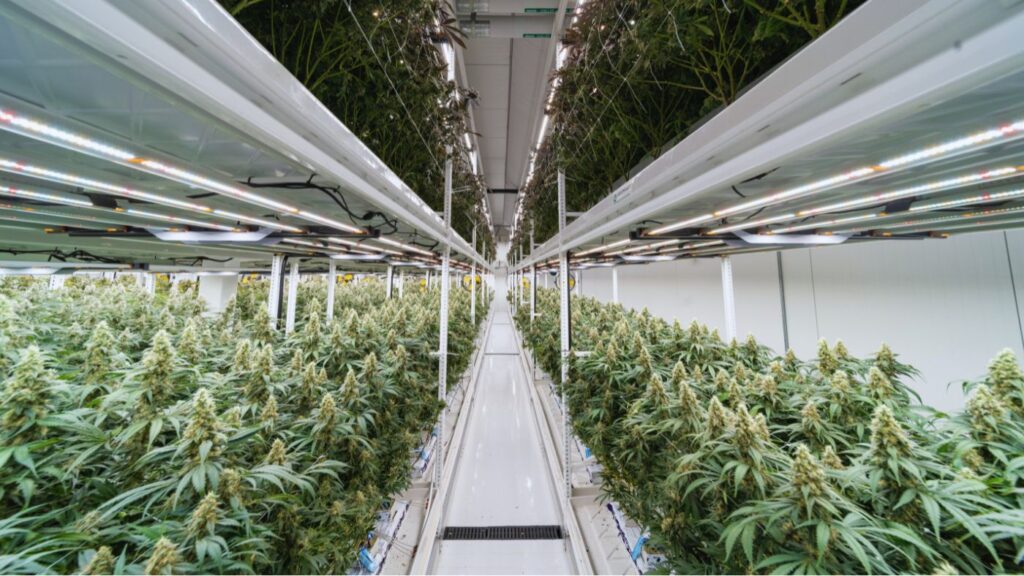 For Virginia’s existing medical cannabis operators, the 2026 retail framework created a distinct and high-stakes transition: pharmaceutical processors may apply for verification to exercise dual-use privileges and serve both registered medical patients and adult-use customers. The pathway covers the processor and its permitted cannabis dispensing facilities, and it carries a one-time $10 million fee, a required medical cannabis program preservation plan, an impact-licensee business accelerator commitment, and a firm May 1, 2027 payment or installment-plan deadline.
 - Virginia Impact Cannabis License (2027): Social Equity & the Equity Business Loan Fund
 Virginia’s adult-use cannabis framework creates a meaningful pathway for applicants from communities and backgrounds affected by cannabis prohibition and enforcement. The law does not create a separate, stand-alone impact license. Instead, it creates an impact-licensee designation that qualifying applicants may pursue alongside an underlying marijuana establishment license, such as retail, cultivation, processing, microbusiness, transportation, delivery, or testing.
 - Virginia Cannabis Microbusiness License (2027): Eligibility & the Two-Location Model
 This guide explains the initial eligibility pathways for the licenses the CCA may issue by May 1, 2027, the difference between a microbusiness license and an impact designation, the indoor and outdoor cultivation limits, the precise rules governing two locations, and the financial, security, and operational readiness standards applicants should prepare to demonstrate. Several implementation details – including fees and the specific combination of privileges the CCA will authorize – still depend on forthcoming regulations.
 - Virginia Cannabis Cultivation License (2027): The Tiered System Explained
 For operators whose strength is growing cannabis, Virginia’s emerging adult-use market presents a significant opportunity – and a cultivation license is the gateway to it. The June 2026 framework authorizes the Virginia Cannabis Control Authority (CCA) to begin accepting license applications on or after February 1, 2027 and issuing licenses on or after May 1, 2027. It also establishes five cultivation tiers with maximum canopies ranging from 5,000 to 35,000 square feet.
Explore Our Articles
cannabis applications Cannabis Bar Cannabis Business Optimization cannabis careers Cannabis Compliance Cannabis Consumption Cannabis Consumption Bar Cannabis Inventory Management Systems Cannabis Investors cannabis jobs Cannabis Legalization cannabis licensing Cannabis Lounge cannabis marketing Cannabis Operational Procedures cannabis outreach Cannabis Regulations Cannabis Security Cannabis Software Cannabis Startup Cannabis Supply Chain Cannabis Technology Colorado controlled environment agriculture Cultivation cultivation facility Dispensary Design facility design Financial Planning HVAC HVACD Iowa Kansas Legal Update Legislation Medical Cannabis Minnesota Natural Medicine Nebraska New York Odor Control Oregon Psilocybin Psychedelics Recreational Cannabis
Free Ebook – Start Your Own Legal Cannabis Business