
Estimated reading time: 20 minutes
Table of contents
- Overview
- The Virginia Cannabis Market in 2026
- What Virginia Established – and What’s Still Being Finalized
- The Confirmed Framework at a Glance
- The Virginia License Landscape
- The Equity and Anti-Predatory Architecture
- Taxes and Why They Were Set Low
- Your Complete Virginia Cannabis Resource Library
- The Path From Framework to Open Doors
- Key Dates and Deadlines
- Work With Catalyst BC on Your Virginia Cannabis License
- Success Stories: See How Catalyst BC Has Helped Cannabis Businesses Enter and Lead the Market
- Virginia Cannabis License FAQs
- Additional Resources
- Free eBooks For Cannabis Business Success
- Latest Articles
Editor’s Notes: This article is part of our Virginia 2027 Licensing Hub. Last updated August 27, 2026. Other topics covered in this series are:
- Virginia Cannabis License 2027 Application Guide
- How to Open a Dispensary in Virginia
- Virginia Cannabis Microbusiness License Guide
- Virginia Cannabis Cultivation License Guide
- Virginia Impact Cannabis License Guide
- Virginia Cannabis Facility Design and Build-Out
- The Virginia Dual-Use Cannabis Conversion Guide
Overview
After years of vetoes, stalemates, and false starts, Virginia has enacted a framework for a legal adult-use cannabis market. For the first time since the Commonwealth legalized adult possession and limited home cultivation in 2021, prospective business owners have a statutory roadmap. The retail market framework was enacted through HB 30 in June 2026, took effect July 1, 2026, and authorized regulated adult-use sales beginning July 1, 2027. Having guided operators into newly opening markets across the country, our team views Virginia as being in one of the most valuable phases a cannabis market offers entrepreneurs: the period before licensing periods and detailed regulations are finalized, when disciplined planning can create a lasting advantage.
One structural point shapes everything that follows. Virginia’s adult-use framework was not enacted as standalone legislation. After Governor Spanberger vetoed SB 542 and its identical House companion HB 642 on May 19, 2026, the framework was revived through the 2026 – 28 biennial budget bill, HB 30, whose enactment clauses carry the retail marijuana provisions. Both chambers accepted the Governor’s budget amendments in full in late June, which made the measure law without further gubernatorial action. HB 30 is therefore the governing legal authority for all requirements in this guide. SB 542 remains valuable as legislative context since it is where the policy architecture was built and where the General Assembly’s intent is most legible, but it is not law.
This guide is the hub for what you need to understand about Virginia cannabis licensing in 2027: how the Commonwealth arrived here, what the enacted framework establishes, the principal license types, the implementation timeline, and where to go deeper on each part of the process. Each section routes you to a detailed resource. Throughout, we distinguish what the law already confirms from the application forms, fees, technical standards, and licensing periods that the Virginia Cannabis Control Authority (CCA) must still publish, because building a plan around assumptions can waste both time and capital.
The Virginia Cannabis Market in 2026
Virginia’s path to a retail market has been long and contested. Adults 21 and older have been permitted to possess cannabis and grow up to four plants per household since 2021, but the Commonwealth has not had a general adult-use retail market. HB 30, effective July 1, 2026, authorizes regulated sales beginning July 1, 2027, and raises the adult public-possession limit to two ounces. The CCA must implement the licensing system, including regulations and the seed-to-sale tracking system, by February 1, 2027. The law allows the CCA to begin accepting license applications on or after that date. Still, the Authority must announce each licensing period, including the available license types, license counts, opening date, and closing date.
The CCA is the agency responsible for implementing the program: developing regulations for licensing, compliance, testing, product safety, transportation, delivery, and enforcement; administering license applications; maintaining records and registries; and reviewing ownership, financing, management, and other business relationships. Separately, SB 543, enacted in the same 2026 session, transfers regulation of intoxicating and regulated hemp products to the CCA and expands the Authority’s enforcement powers, with the hemp provisions taking effect August 15, 2026. HB 30 and SB 543 are two distinct instruments and should be tracked separately. Understanding that the statutory framework is enacted while the detailed operating rules are still being developed is essential for intelligent preparation.
What Virginia Established – and What’s Still Being Finalized
Precision matters here. Virginia did not legalize possession in 2026; adult possession and limited home cultivation have been legal since 2021. What HB 30 established, effective July 1, 2026, was the framework for licensed adult-use cultivation, processing, testing, transportation, delivery, and retail sales. The legal structure now exists, but the CCA still must promulgate implementation regulations, establish the seed-to-sale system, set license fees, and announce the licensing periods for each license type. The General Joint Commission to Oversee the Transition of the Commonwealth into a Cannabis Retail Market will also continue to study specific policy questions and market implementation.
Codification Note: Because HB 30 carried the framework through budget enactment clauses rather than as a codified, standalone act, cross-references between the new provisions and existing Code sections required reconciliation. In early July 2026, a short-lived public disagreement among prosecutors, State Police, and legislative officials over which provisions took effect when. This was resolved when the Code Commission revised the online Code of Virginia to reflect legislative intent. Formal codification is still in process. Practical implication: cite HB 30’s enactment clauses as your authority, verify any Code section against the current online Code before relying on it, and expect section numbering to firm up as codification completes.
The practical takeaway: prepare against the enacted structure while monitoring the CCA for the details that will govern each application period. The law provides the framework; the CCA’s regulations and licensing announcements will determine how applicants must document compliance and be held accountable for it.

Expert Insight – An enacted framework is a starting gun, not a finish line. The July 1 enactment converts Virginia from a possibility into an implementation process. Still, it does not mean every license application opens on February 1 or that operators should make irreversible commitments before the rules are published. The statute does not require applicants to secure premises until the final stage of license approval. Use the runway for site screening, contingent negotiations, entity and capital planning, labor peace discussions, and facility programming while preserving flexibility for the CCA’s final requirements.
Leif Olsen – Catalyst BC Chief Executive Officer
The Confirmed Framework at a Glance
| Element | Detail |
| Regulator | Virginia Cannabis Control Authority (CCA) |
| Application timing | The CCA may begin accepting applications on or after February 1, 2027, and must announce each licensing period; microbusiness and transition pathways have separate statutory milestones |
| Retail sales begin | July 1, 2027 |
| Retail license cap | No more than 350 retail marijuana store licenses; the CCA controls rollout and geographic distribution |
| Microbusiness licenses | Up to 100 may be issued by May 1, 2027, to qualifying legacy hemp operators, impact applicants, and USDA qualified farmers; one license may use up to two locations within 20 miles, subject to statutory limits |
| Dual-use conversion | Existing pharmaceutical processors: $10 million fee paid or installment plan entered by May 1, 2027, plus an approved medical preservation plan and three-year impact accelerator commitment |
| State marijuana tax | 6% before July 1, 2029, and 8% on and after that date, in addition to existing sales and use taxes |
| Local marijuana tax | Each locality may impose an additional tax between 1% and 3.5% |
| Local authority | General opt out is not permitted, but localities retain zoning, land use, business license, and related authority |
| Possession and home grow | Adults 21+ may possess up to two ounces and cultivate up to four plants per household, subject to statutory restrictions |
| Equity funding | 75% of annual marijuana establishment license fees collected from May 1, 2027, through May 1, 2028 go to the Cannabis Equity Business Loan Fund |
| Location rule | Retail stores and microbusinesses generally must be at least 1,000 feet from hospitals, schools or institutions of higher education, and child day programs; localities may reduce the buffer |
The Virginia License Landscape
HB 30 creates several distinct marijuana establishment license types, each suited to a different business model. It also creates an Impact Licensee applicant status, which is not a separate license type but a designation that may provide licensing preferences, fee relief, financing support, and other accommodations. Choosing the appropriate license type and determining whether the applicant qualifies for impact status will drive the ownership, capital, facility, and operating strategies.
| License type | What it authorizes | Best fit |
| Retail marijuana store | Consumer retail sales and authorized delivery; retail floor limited to 2,500 square feet | Retail, compliance, inventory, and customer experience operators |
| Microbusiness | Board selected combination of cultivation, processing, and retail privileges; limited canopy and no interest in another license | Qualifying small, impact, farming, and legacy hemp applicants seeking limited vertical integration |
| Cultivation (Tiers I-V) | Indoor or outdoor cultivation under canopy tiers ranging from 5,000 to 35,000 square feet | Operators with horticulture, environmental control, and facility expertise |
| Processing facility | Manufacturing, processing, labeling, and packaging marijuana and marijuana products | Product manufacturers, extractors, food production, and quality system operators |
| Transporter | Business-to-business possession and secure transportation between licensed establishments | Secure logistics and chain-of-custody operators |
| Delivery operator | Last mile delivery from retail stores or microbusinesses to consumers | Consumer delivery and route management operators |
| Testing facility | Independent research and ISO/IEC 17025 accredited testing | Qualified analytical laboratories with no prohibited ownership interests |
| Pharmaceutical processor (dual-use) | Existing medical operators adding authorized adult-use cultivation, processing, and retail privileges | Virginia’s incumbent medical cannabis operators |
The Equity and Anti-Predatory Architecture
Equity is built into HB 30 through impact applicant preferences, fee relief, grants, or low-interest loan programs, and technical support from the Cannabis Impact Business Support Team. From May 1, 2027, through May 1, 2028, the CCA must deposit 75% of the annual marijuana establishment license fees it collects into the Cannabis Equity Business Loan Fund. Impact applicant status generally requires at least 51% ownership and direct control by qualifying individuals. The five-year transfer restriction applies specifically to impact licensees: a controlling interest greater than 49% generally may not be sold, assigned, or transferred during the first five years. All licensees, however, remain subject to CCA review and prior written approval for changes in ownership or control, and the Authority must scrutinize financing, management, intellectual property, and other agreements for undisclosed control or undue influence.
Taxes and Why They Were Set Low
Virginia’s tax structure was designed in part to help the regulated market compete with illicit sales. The marijuana excise tax is 6% before July 1, 2029, and 8% on and after that date, in addition to Virginia’s existing retail sales and use taxes. Each locality may also impose an additional marijuana sales tax between 1% and 3.5%. For operators, the full consumer tax burden, not just the marijuana excise rate, should be included in pricing, demand, and margin models.
Your Complete Virginia Cannabis Resource Library
This hub connects to seven in-depth guides, each covering one critical part of Virginia licensing. Read them in this order for a full picture, or jump to the one that addresses your immediate question.
- Start here: the complete application guide. Our flagship resource covers the HB 30 framework, the licensing process, the principal license types, the 2027 implementation timeline, and how to use the preparation runway. Begin with the the complete Virginia cannabis license 2027 application guide.
- Opening a retail store: the dispensary guide. A step-by-step roadmap for the retail store license – location rules, costs, and the build to opening day. Read how to open a dispensary in Virginia.
- The one-stop shop: Microbusiness. Virginia’s microbusiness model may combine cultivation, processing, and retail privileges, allowing up to two locations within 20 miles under one license, with specific limits on where each privilege may be exercised. The initial round is limited to qualifying legacy hemp operators, impact applicants, and USDA-qualified farmers. Explore the the Virginia cannabis microbusiness license guide.
- For growers: the cultivation tiers. How Virginia’s tiered cultivation system works and why facility engineering decides profitability under a canopy cap. See the Virginia cannabis cultivation license guide.
- Equity preference: impact on applicant status. Impact status is a licensing designation rather than a separate license type. It includes potential preferences, funding support, and a five-year restriction on the transfer of controlling interests. Read the the Virginia impact cannabis license guide.
- Build it right: facility design and build-out. Why the facility – not just the license – determines whether you open on time and operate profitably. Explore Virginia cannabis facility design and build-out.
- For incumbents: dual-use conversion. The $10 million medical-to-adult-use pathway requires payment or an approved installment plan by May 1, 2027, an approved medical program preservation plan, and participation in an impact licensee business accelerator for at least 3 years. Read the the Virginia dual-use cannabis conversion guide.
The Path From Framework to Open Doors
Stepping back from the individual guides, here is the full arc, so you can see how the pieces fit together:
- Choose your license type
Retail, microbusiness, cultivation, processing, transportation, delivery, testing, or a qualifying dual-use pathway – based on your capital, experience, ownership structure, and operating model.
- Conduct site diligence without overcommitting
Screen properties against the 1,000-foot retail and microbusiness buffers, local zoning, utilities, security, access, and facility requirements. Localities generally cannot opt out of the market, but they retain meaningful authority over land use and business regulation. Virginia does not require applicants to secure premises until the final stage of license approval, so use contingencies where possible.
- Structure ownership and agreements carefully
Determine whether impact-applicant status applies, document all beneficial owners, and evaluate financing, management, brand, and intellectual-property agreements for practical control. The five-year restriction on transferring more than 49% of a controlling interest applies to impact licensees, while all ownership and control changes require prior CCA approval.
- Build a realistic capital plan
Account for application and annual fees that the CCA still must set, site and build out costs, equipment, professional services, staffing, working capital, taxes, and the time between preliminary approval and revenue. Impact applicants may qualify for fee waivers, grants, loans, or relaxed site and proof-of-funds requirements.
- Plan the facility before committing to construction
Develop a scalable program for retail, cultivation, processing, testing, logistics, or microbusiness operations, but preserve flexibility until the CCA publishes technical rules. Applicants selected through a lottery receive preliminary approval and generally have 18 months to provide the final site and required information, with a possible six-month extension for good-faith progress.
- Prepare for the announced licensing period
The CCA must publish the license types, the number of available licenses, and the opening and closing dates before accepting applications. Initial applicants must also be prepared to submit a labor peace agreement attestation, which is an ongoing condition of licensure.
- Build, commission, obtain final approval, and operate
Complete local approvals, construction, security, seed-to-sale integration, testing, transportation relationships, SOPs, staffing, training, and CCA inspection.
Each step is covered in depth in the resource library above. July 1, 2027, is the statewide retail market launch date, not a universal opening deadline for every applicant. An operator’s actual go-to-market schedule will depend on the applicable licensing period, preliminary approval, site and local approvals, and final CCA authorization.

Expert Insight – Use the runway without locking in bad assumptions. Virginia’s enacted framework is detailed enough to support serious planning, but the pending regulations can still affect site design, application evidence, product standards, security, labor, capital, and operating procedures. Advance work that is useful under multiple scenarios – ownership diligence, capital modeling, site screening, contingent negotiations, facility programming, and compliance planning – while deferring irreversible commitments that depend on rules the CCA has not yet published.
Michael Williamson – Catalyst BC Chief Operating Officer
Key Dates and Deadlines
| Date | Milestone |
| Now – Feb. 1, 2027 | Complete ownership, capital, labor, operating, and facility planning; screen sites and monitor CCA rulemaking without making avoidable irreversible commitments |
| By Feb. 1, 2027 | CCA regulations and seed-to-sale system due; microbusiness and specified transition application processes must be available; CCA may begin other licensing periods on or after this date |
| By May 1, 2027 | Up to 100 microbusiness licenses may issue; dual-use payment or installment-plan deadline; up to 10 qualifying legacy-hemp cultivation and up to 10 processing licenses may issue |
| By July 1, 2027 | Adult-use retail sales begin; CCA must issue at least 55 additional licenses among impact licensees and other license types |
| July 1, 2029 | State marijuana excise tax increases from 6% to 8% |
| Ongoing | CCA licensing-period announcements, fee setting, implementation guidance, enforcement development, and legislative oversight |
Work With Catalyst BC on Your Virginia Cannabis License
Virginia has given prospective operators something valuable: an enacted framework in HB 30 and a defined implementation period before adult-use retail sales begin on July 1, 2027. The strongest applicants will use that period to choose the right license type, evaluate impact eligibility, structure ownership and financing transparently, screen compliant sites without overcommitting, address the labor peace requirement, and develop facilities and operating plans that can adapt to the CCA’s final rules. Catalyst BC supports licensing strategy, site and operational diligence, capital and implementation planning, facility design coordination, commissioning, compliance systems, and Owner’s Representative services across the major Virginia license categories. Explore the deep-dive guides linked throughout this hub, then contact our team to build a Virginia strategy grounded in the enacted law and flexible enough for the regulations still to come.
About the authors: This guide was prepared by the Catalyst BC cannabis consulting team. Catalyst BC advises cannabis operators on state licensing strategy, ownership structuring, site selection and zoning, regulatory compliance, and cannabis facility design and commissioning across U.S. and international markets. Our consultants bring direct experience with competitive license applications in newly opening markets, cultivation facility engineering, and Owner’s Representative services for new market entrants. This article is provided for informational purposes only and does not constitute legal advice; applicants should confirm current requirements with the Virginia Cannabis Control Authority and consult qualified counsel regarding their specific circumstances.
Success Stories: See How Catalyst BC Has Helped Cannabis Businesses Enter and Lead the Market
From initial startup and facility build-outs to high-value exit strategies, our cannabis consultants provide the expertise needed to navigate the complexities of the legal cannabis industry.
Virginia Cannabis License FAQs
Medical cannabis is available through the existing program, but general adult-use retail sales do not begin until July 1, 2027. Adults 21 and older may possess up to two ounces and cultivate up to four plants per household for personal use, subject to statutory restrictions.
Apply through the CCA during the licensing period announced for the relevant license type. The Authority may begin accepting applications on or after February 1, 2027, but must first announce the available license types, license counts, opening and closing dates. Microbusiness and certain transition pathways have additional eligibility requirements.
The Virginia Cannabis Control Authority (CCA). It develops and enforces the regulations, administers licenses, oversees testing and seed-to-sale tracking, reviews ownership and business relationships, and regulates the adult-use marketplace. Regulation of specified hemp products transfers to the CCA beginning August 15, 2026, under SB 543, a separate 2026 enactment. Depending on the business type, location, and scope of operations, additional regulatory requirements may apply at the local level or be imposed by other Authorities Having Jurisdiction (AHJs).
HB 30 includes retail marijuana stores, tiered cultivation, processing, transporter, delivery operator, and testing facility licenses, as well as microbusiness licenses, plus dual-use privileges for qualifying pharmaceutical processors. Impact applicant status is a preference designation, not a separate license type.
HB 30 caps retail marijuana stores at 350. By May 1, 2027, the CCA may issue up to 100 microbusiness licenses, 10 cultivation licenses, and 10 processing licenses through the qualifying legacy hemp pathway. It must issue at least 55 additional licenses among impact licensees and other license types by July 1, 2027. The CCA may set limits for other categories.
The marijuana excise tax is 6% before July 1, 2029, and 8% on and after that date. It is imposed in addition to existing retail sales and use taxes. Each locality may also impose an additional marijuana sales tax between 1% and 3.5%.
Localities generally may not prohibit the state-authorized cannabis market, but they retain zoning, land use, business licensing, and other local regulatory authority. Retail stores and microbusinesses are generally subject to a 1,000-foot buffer from hospitals, schools, and institutions of higher education, and child day programs, although a locality may reduce the minimum distance.
Impact applicants may receive licensing preferences, fee waivers, grants or low-interest loans, technical assistance, and relief from certain site control or proof-of-funds requirements. From May 1, 2027, through May 1, 2028, 75% of annual marijuana establishment license fees collected by the CCA must be deposited into the Cannabis Equity Business Loan Fund. Impact licensees are also subject to a five-year restriction on transferring a controlling interest greater than 49%.
Qualifying pharmaceutical processors may obtain dual-use privileges by paying the $10 million conversion fee in full or entering an approved installment plan by May 1, 2027. They must also obtain approval of a medical cannabis preservation plan and participate in an impact licensee business accelerator for at least three years.
The adult-use framework is enacted through HB 30, the 2026 – 28 budget bill, and retail sales are scheduled to begin July 1, 2027. The CCA still must promulgate implementation regulations, establish the seed-to-sale system, set fees, and announce the licensing periods and application requirements. Operators should plan with the enacted law in mind while monitoring CCA rulemaking and official licensing announcements.
Additional Resources
Free eBooks For Cannabis Business Success




Latest Articles
- Virginia Cannabis Facility Design & Build-Out for the 2027 Market
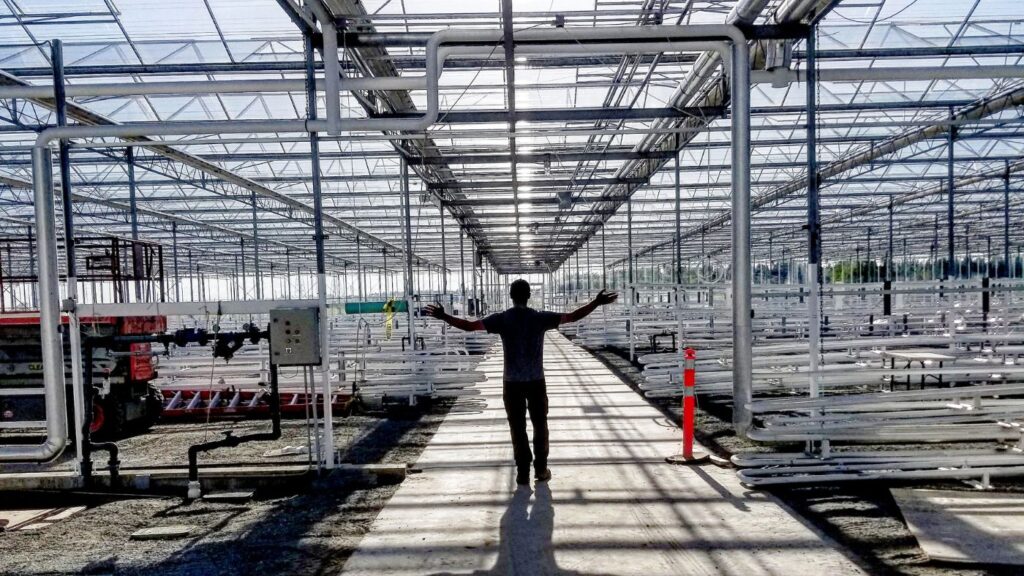 This guide covers the major considerations involved in planning and building a Virginia cannabis facility, with a focus on retail and cultivation operations and additional considerations relevant to processors and microbusinesses. It is written from the build side of the business, because that is where many otherwise-strong applicants stumble: they underestimate utility needs, local approvals, security infrastructure, commissioning, and the time required to convert a site into an inspection-ready operation.
 - Virginia Dual-Use Cannabis Conversion (2027): The $10M Medical-to-Adult-Use Pathway
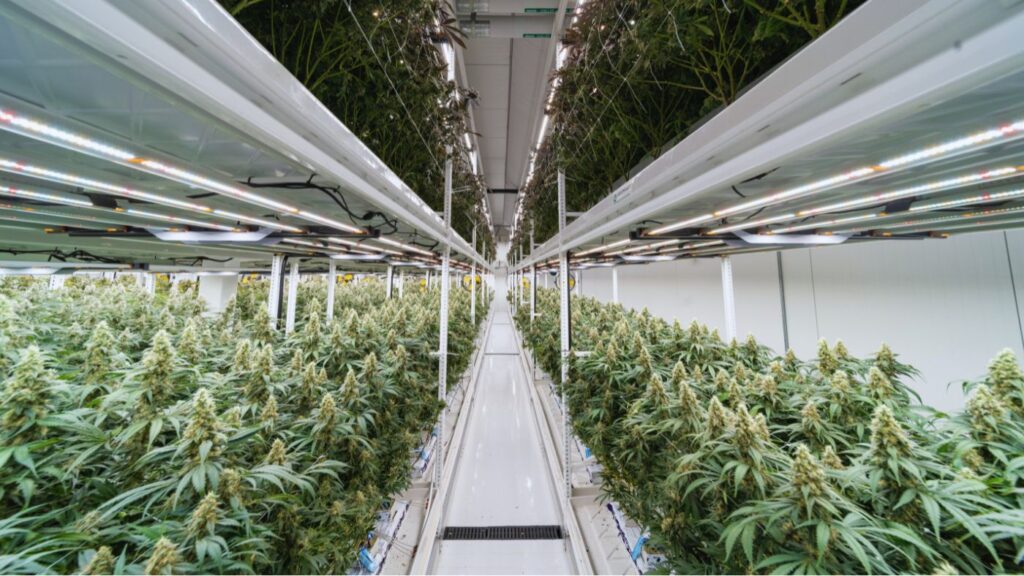 For Virginia’s existing medical cannabis operators, the 2026 retail framework created a distinct and high-stakes transition: pharmaceutical processors may apply for verification to exercise dual-use privileges and serve both registered medical patients and adult-use customers. The pathway covers the processor and its permitted cannabis dispensing facilities, and it carries a one-time $10 million fee, a required medical cannabis program preservation plan, an impact-licensee business accelerator commitment, and a firm May 1, 2027 payment or installment-plan deadline.
 - Virginia Impact Cannabis License (2027): Social Equity & the Equity Business Loan Fund
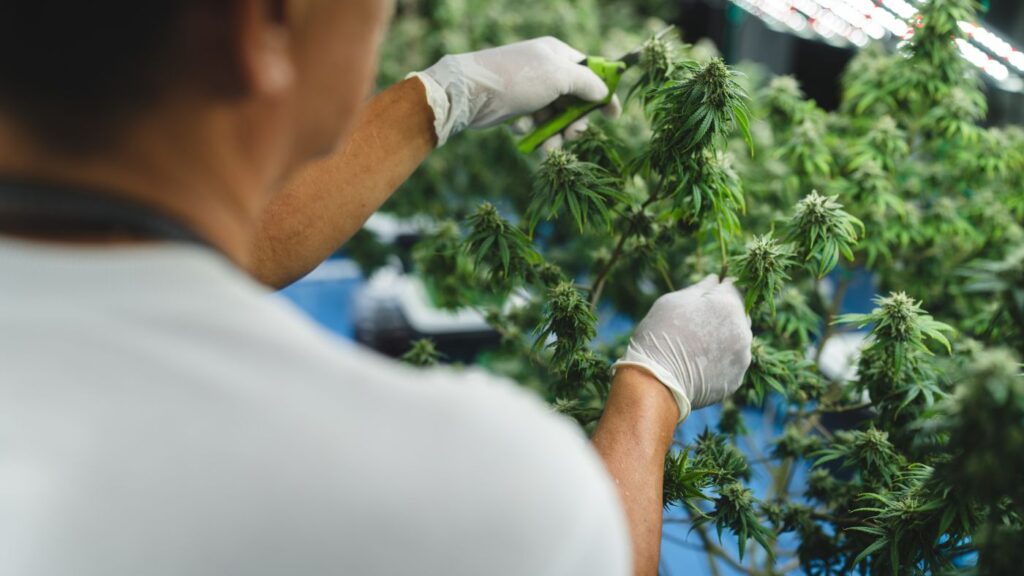 Virginia’s adult-use cannabis framework creates a meaningful pathway for applicants from communities and backgrounds affected by cannabis prohibition and enforcement. The law does not create a separate, stand-alone impact license. Instead, it creates an impact-licensee designation that qualifying applicants may pursue alongside an underlying marijuana establishment license, such as retail, cultivation, processing, microbusiness, transportation, delivery, or testing.
 - Virginia Cannabis Microbusiness License (2027): Eligibility & the Two-Location Model
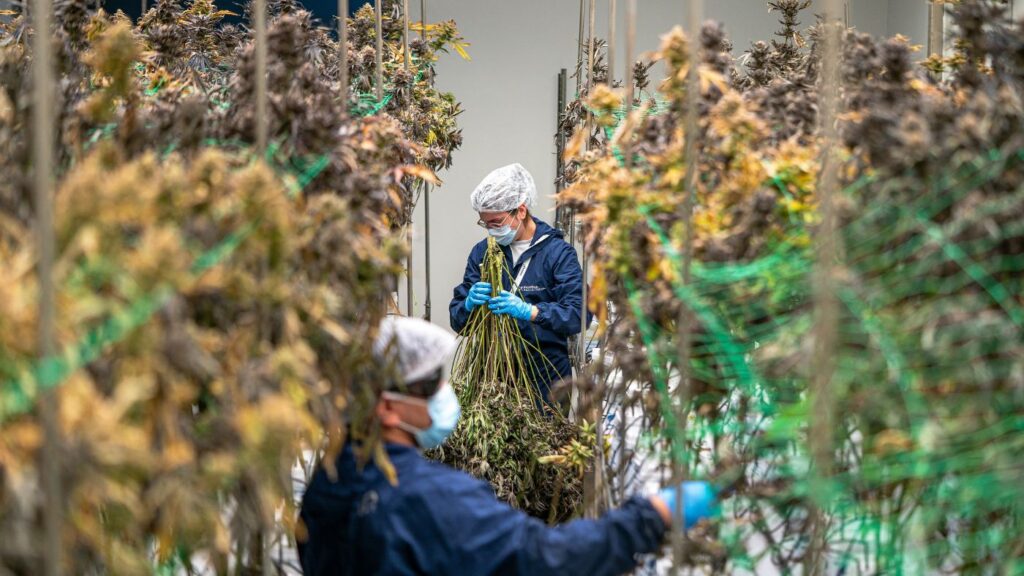 This guide explains the initial eligibility pathways for the licenses the CCA may issue by May 1, 2027, the difference between a microbusiness license and an impact designation, the indoor and outdoor cultivation limits, the precise rules governing two locations, and the financial, security, and operational readiness standards applicants should prepare to demonstrate. Several implementation details – including fees and the specific combination of privileges the CCA will authorize – still depend on forthcoming regulations.
 - Virginia Cannabis Cultivation License (2027): The Tiered System Explained
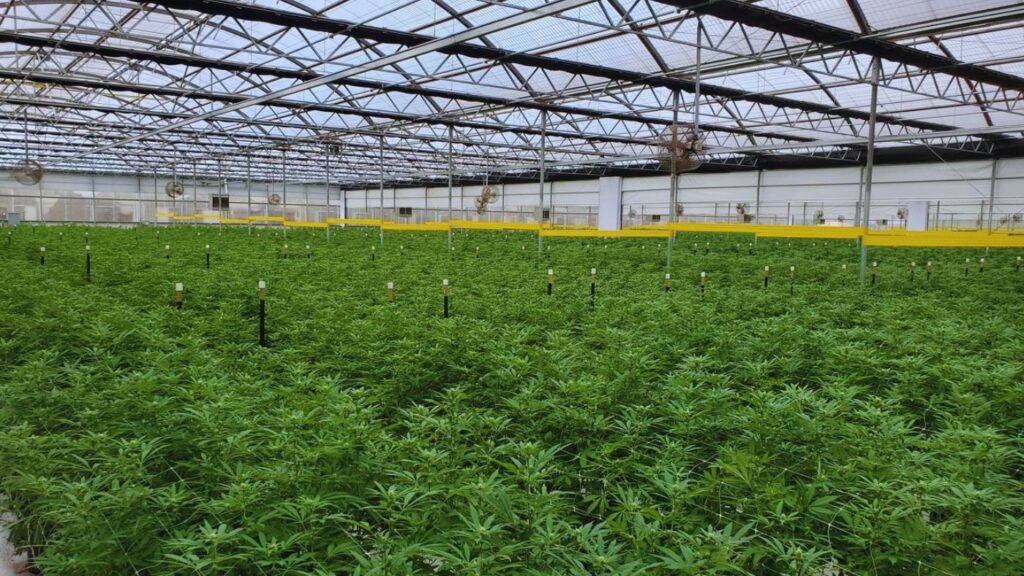 For operators whose strength is growing cannabis, Virginia’s emerging adult-use market presents a significant opportunity – and a cultivation license is the gateway to it. The June 2026 framework authorizes the Virginia Cannabis Control Authority (CCA) to begin accepting license applications on or after February 1, 2027 and issuing licenses on or after May 1, 2027. It also establishes five cultivation tiers with maximum canopies ranging from 5,000 to 35,000 square feet.
 - Virginia Cannabis Licensing (2027): The Complete Guide & License Resource Hub
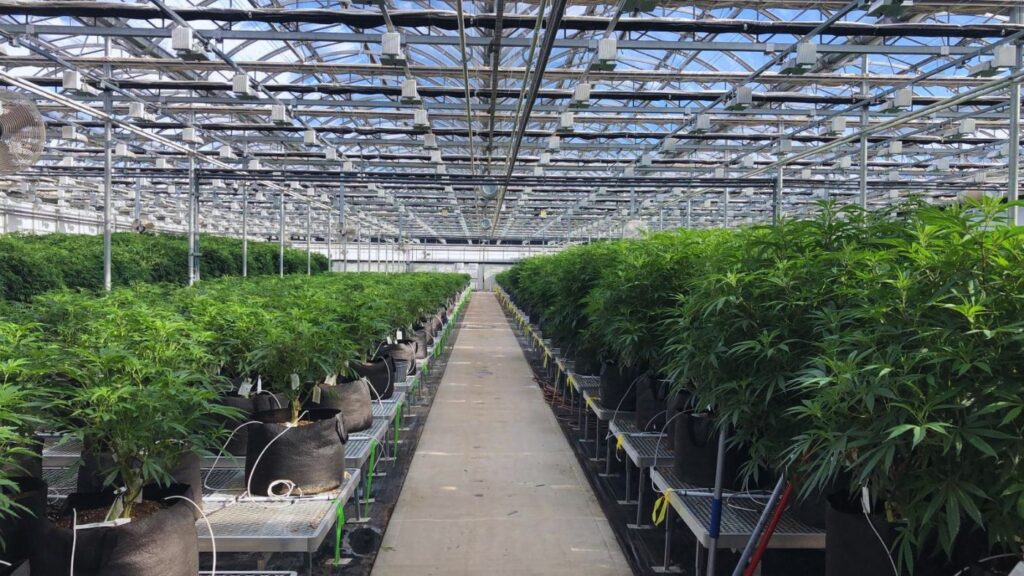 This guide is the hub for what you need to understand about Virginia cannabis licensing in 2027: how the Commonwealth arrived here, what the enacted framework establishes, the principal license types, the implementation timeline, and where to go deeper on each part of the process.