
Estimated reading time: 10 minutes
Table of contents
- Overview
- What Dual-Use Conversion Is
- The $10 Million Fee and Payment Options
- The May 1, 2027 Timeline
- Success Stories: See How Catalyst BC Has Helped Cannabis Businesses Enter and Lead the Market
- Virginia Dual-Use Cannabis Conversion FAQs
- Additional Resources
- Free eBooks For Cannabis Business Success
- Latest Articles
Editor’s Notes: This article is part of our Virginia 2027 Licensing Hub. Last Updated: 8/27/2026. Other topics covered in this series are:
- Virginia Cannabis License 2027 Application Guide
- How to Open a Dispensary in Virginia
- Virginia Cannabis Microbusiness License Guide
- Virginia Cannabis Cultivation License Guide
- Virginia Impact Cannabis License Guide
- Virginia Cannabis Facility Design and Build-Out
- Virginia Dual-Use Cannabis Conversion Guide
Overview
For Virginia’s existing medical cannabis operators, HB 30 created a distinct transition: pharmaceutical processors may apply for verification to exercise dual-use privileges and serve both registered medical patients and adult-use customers. The pathway covers the processor and its permitted cannabis dispensing facilities, and it carries a one-time $10 million fee, a required medical cannabis program preservation plan, an impact licensee business accelerator commitment, and a firm May 1, 2027, payment or installment plan deadline. Adult-use retail sales begin July 1, 2027. For incumbents, this is not merely an optional expansion decision: a processor that does not apply for dual-use verification and pay the fee in full, or enter into an approved installment plan, by May 1 may not renew its permit, and previously issued permits do not remain valid after June 1, 2027, without dual-use verification.
What Dual-Use Conversion Is
Under HB 30, a permitted pharmaceutical processor must apply to the Virginia Cannabis Control Authority Board for verification to exercise dual-use privileges. This is more precise than a simple license conversion. Once verified, the pharmaceutical processor holds the privileges of, and is generally subject to the laws and regulations applicable to, a marijuana cultivation facility, marijuana processing facility, and retail marijuana store. It’s permitted for cannabis dispensing facilities to receive retail marijuana store privileges. The operator must continue satisfying its medical-cannabis obligations while also complying with the adult-use requirements applicable to those activities.
| Element | Detail |
| Who it applies to | Existing permitted Virginia pharmaceutical processors; verified privileges also extend to their permitted cannabis dispensing facilities |
| What it grants | The processor receives adult-use cultivation, processing, and retail privileges; its dispensing facilities receive adult-use retail privileges while medical operations continue |
| Application requirements | CCA must create a streamlined process by February 1, 2027; the processor must apply as directed and obtain approval of a detailed medical cannabis program preservation plan |
| Conversion fee and deadline | One time $10 million fee, paid in full or placed under a Board approved installment plan on or before May 1, 2027 |
| Additional commitment | Agreement to participate in an impact licensee business accelerator plan for at least three years after verification |
| Permit and launch timeline | A processor that does not complete the required application and payment step may not renew its permit; previously issued permits require verification to remain valid after June 1, 2027; adult use retail begins July 1, 2027 |
The $10 Million Fee and Payment Options
HB 30 imposes a one-time $10 million conversion fee. A pharmaceutical processor may either pay the fee in full by May 1, 2027, or enter into an installment payment plan approved by the CCA Board by that date. HB 30 does not specify the installment term, down payment, interest treatment, or security requirements; those details will depend on the Board’s approved plan and implementing guidance. Operators must model the full $10 million obligation alongside facility expansion, inventory, staffing, technology, compliance, and working capital needs rather than assuming the installment option materially reduces the total cost. HB 30’s separate provision directing that 75% of certain annual marijuana establishment license fees be allocated to the Cannabis Equity Business Loan Fund does not expressly apply to the $10 million conversion fee.
Operators weighing a project in Virginia can find state-specific guidance on our Virginia cannabis consulting page.
The May 1, 2027 Timeline
Timing is tight and consequential. By February 1, 2027, the CCA must create a streamlined application process for pharmaceutical processors, and each processor must apply in the manner and by the date prescribed by the Board. On or before May 1, the processor must satisfy the applicable licensing requirements and either pay the $10 million fee in full or enter an approved installment plan. The CCA must verify eligible processors’ dual-use privileges by that point. Beginning June 1, 2027, a previously issued pharmaceutical processor permit does not remain valid without dual-use verification. Adult-use retail sales begin July 1, 2027.
The application is not simply a payment election. Each processor must submit and obtain approval of a detailed medical cannabis program preservation plan explaining how it will prioritize patient access, manage customer traffic, prevent medical-product shortages, and maintain appropriate staffing. The processor must also agree to participate in an impact-licensee business accelerator plan for at least three years after verification. These requirements should be treated as core operating commitments, not paperwork completed at the end of the process.
About the authors: This guide was prepared by the Catalyst BC cannabis consulting team. Catalyst BC advises cannabis operators on state licensing strategy, market entry and expansion, capacity and facility planning, regulatory compliance, and cannabis facility design and commissioning across U.S. and international markets. This article is provided for informational purposes only and does not constitute legal or financial advice; operators should confirm current dual-use conversion requirements with the Virginia Cannabis Control Authority and consult qualified counsel and financial advisors regarding their specific circumstances.
Success Stories: See How Catalyst BC Has Helped Cannabis Businesses Enter and Lead the Market
From initial startup and facility build-outs to high-value exit strategies, our cannabis consultants provide the expertise needed to navigate the complexities of the legal cannabis industry.


Virginia Dual-Use Cannabis Conversion FAQs
HB 30 describes this as verification to exercise dual-use privileges. A permitted pharmaceutical processor that applies, satisfies the requirements, and pays the $10 million fee or enters an approved installment plan may exercise adult-use cultivation, processing, and retail privileges. Permitted cannabis dispensing facilities may exercise adult-use retail privileges, while the medical program continues.
The one-time conversion fee is $10 million per pharmaceutical processor. It must be paid in full, or the processor must enter a CCA Board-approved installment plan on or before May 1, 2027.
The pathway applies to pharmaceutical processors holding permits under Virginia’s medical cannabis program. Their permitted cannabis dispensing facilities receive dual-use retail privileges through the processor’s verification; this is not a pathway for new general applicants.
The CCA must create a streamlined process by February 1, 2027. Each processor must apply as directed and, by May 1, pay the fee in full or enter an approved installment plan. A processor that does not complete those steps may not exercise dual-use privileges or renew its permit, and previously issued permits require verification to remain valid after June 1, 2027. Adult-use retail begins July 1, 2027.
It is a detailed plan that must be submitted to and approved by the CCA. It must explain how the processor will prioritize medical patient access, manage customer traffic, prevent medical product shortages, and maintain appropriate staffing while adding adult-use operations.
A pharmaceutical processor must agree to participate in an impact licensee business accelerator plan for at least three years after dual-use verification. The Cannabis Impact Business Support Team and CCA will define the applicable program requirements.
Yes. The processor may enter an installment payment plan approved by the CCA Board on or before May 1, 2027. HB 30 does not specify the detailed payment terms, interest treatment, security, or other conditions, so operators should wait for the Board’s published terms before relying on any particular structure.
Yes. A person holding at least a 10% direct or indirect ownership, voting, or economic interest in a pharmaceutical processor generally may not hold an interest in another marijuana establishment license, except for the cannabis dispensing facility permits associated with the processor. Operators should have qualified counsel review ownership and affiliate structures.
Yes. A person holding at least a 10% direct or indirect ownership, voting, or economic interest in a pharmaceutical processor generally may not hold an interest in another marijuana-establishment license, except the cannabis dispensing facility permits associated with the processor. Operators should have qualified counsel review ownership and affiliate structures.
HB 30 establishes the pathway, a $10 million fee, a preservation plan requirement, an accelerator commitment, and major deadlines. The CCA still must publish the streamlined application, installment plan terms, verification procedures, and implementing regulations. Pharmaceutical processors should plan for the enacted requirements while closely monitoring CCA guidance.
Additional Resources
Free eBooks For Cannabis Business Success




Latest Articles
- How Much Does It Cost to Open a Dispensary in 2026?
 The allure of jumping into the legalized cannabis industry often paints a picture of quick riches and burgeoning demand, yet the reality of establishing a licensed cannabis dispensary is far more nuanced, capital-intensive, and fraught with unique financial challenges. For aspiring entrepreneurs and seasoned investors alike, understanding the true dispensary startup costs is the absolute bedrock of success.
 - Virginia Cannabis Facility Design & Build-Out for the 2027 Market
 This guide covers the major considerations involved in planning and building a Virginia cannabis facility, with a focus on retail and cultivation operations and additional considerations relevant to processors and microbusinesses. It is written from the build side of the business, because that is where many otherwise-strong applicants stumble: they underestimate utility needs, local approvals, security infrastructure, commissioning, and the time required to convert a site into an inspection-ready operation.
 - Virginia Dual-Use Cannabis Conversion (2027): The $10M Medical-to-Adult-Use Pathway
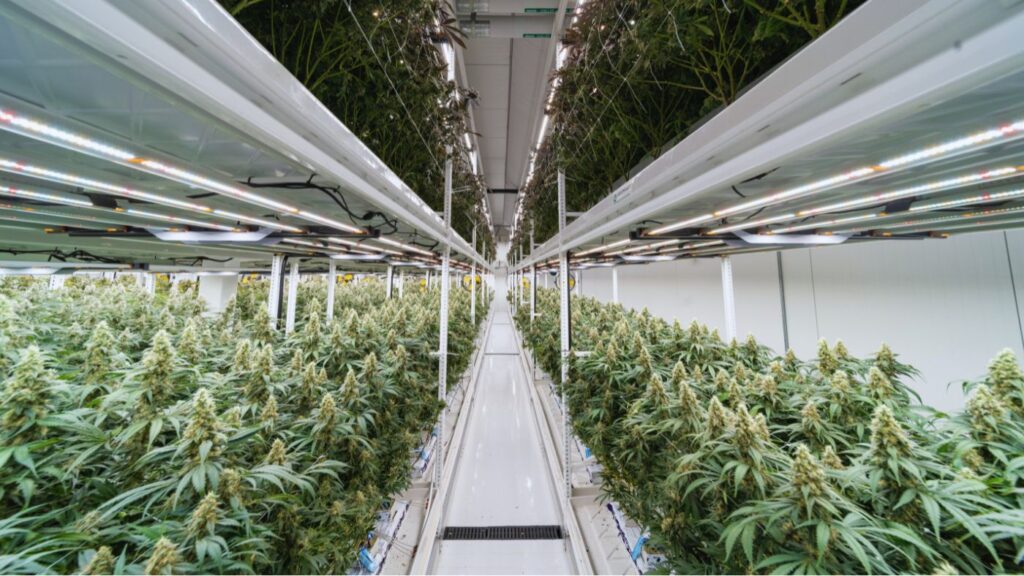 For Virginia’s existing medical cannabis operators, the 2026 retail framework created a distinct and high-stakes transition: pharmaceutical processors may apply for verification to exercise dual-use privileges and serve both registered medical patients and adult-use customers. The pathway covers the processor and its permitted cannabis dispensing facilities, and it carries a one-time $10 million fee, a required medical cannabis program preservation plan, an impact-licensee business accelerator commitment, and a firm May 1, 2027 payment or installment-plan deadline.
 - Virginia Impact Cannabis License (2027): Social Equity & the Equity Business Loan Fund
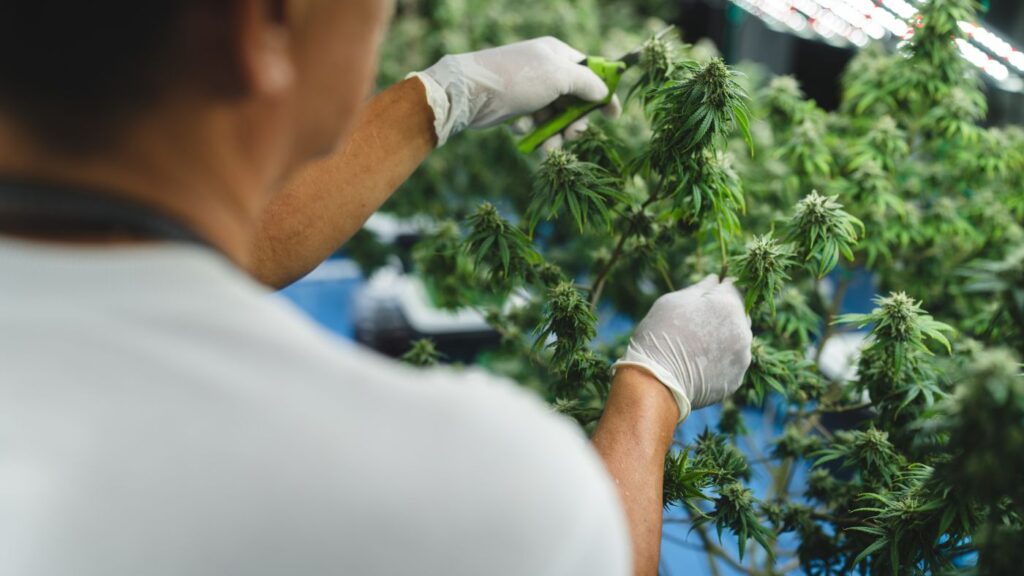 Virginia’s adult-use cannabis framework creates a meaningful pathway for applicants from communities and backgrounds affected by cannabis prohibition and enforcement. The law does not create a separate, stand-alone impact license. Instead, it creates an impact-licensee designation that qualifying applicants may pursue alongside an underlying marijuana establishment license, such as retail, cultivation, processing, microbusiness, transportation, delivery, or testing.
 - Virginia Cannabis Microbusiness License (2027): Eligibility & the Two-Location Model
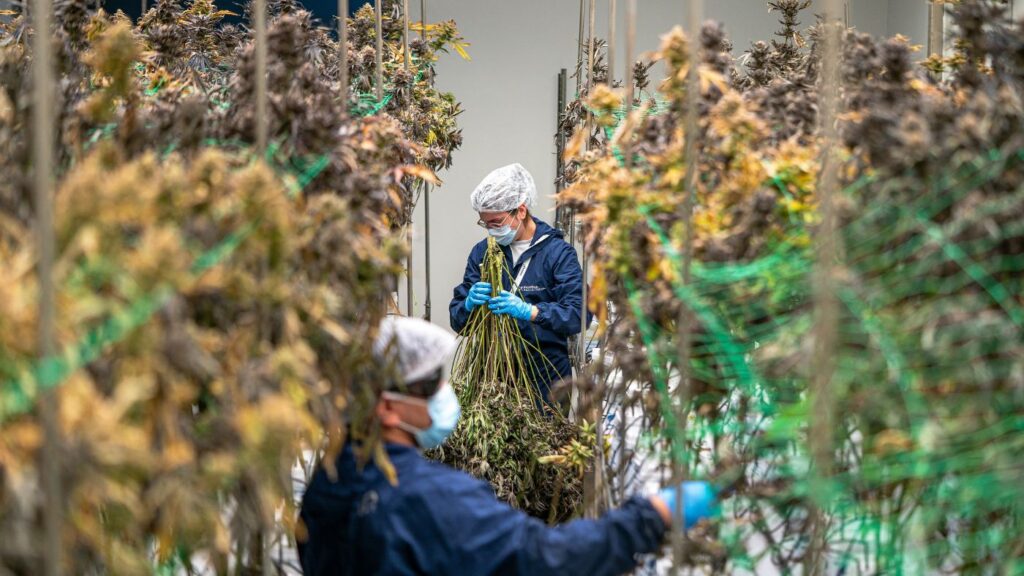 This guide explains the initial eligibility pathways for the licenses the CCA may issue by May 1, 2027, the difference between a microbusiness license and an impact designation, the indoor and outdoor cultivation limits, the precise rules governing two locations, and the financial, security, and operational readiness standards applicants should prepare to demonstrate. Several implementation details – including fees and the specific combination of privileges the CCA will authorize – still depend on forthcoming regulations.
 - Virginia Cannabis Cultivation License (2027): The Tiered System Explained
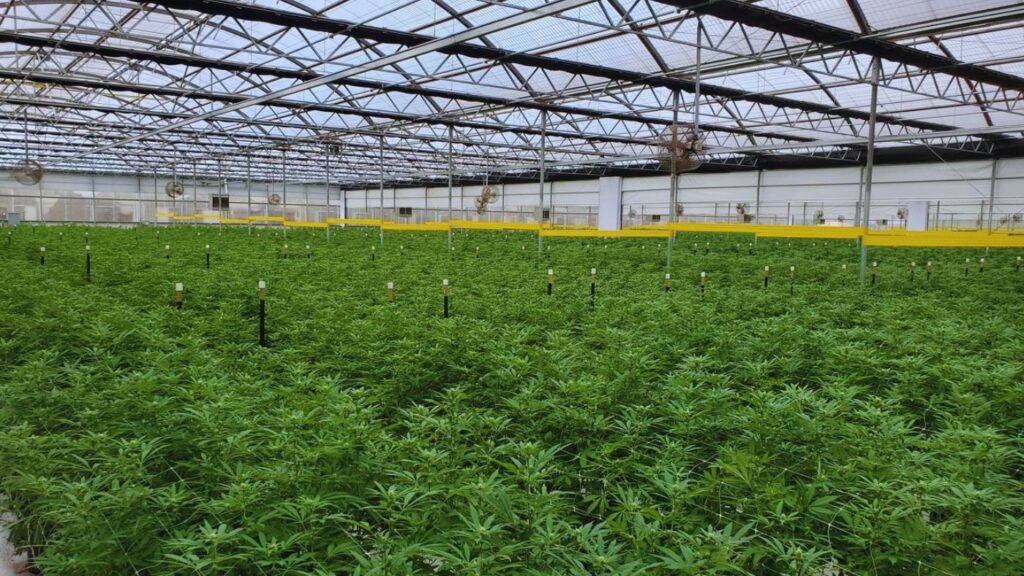 For operators whose strength is growing cannabis, Virginia’s emerging adult-use market presents a significant opportunity – and a cultivation license is the gateway to it. The June 2026 framework authorizes the Virginia Cannabis Control Authority (CCA) to begin accepting license applications on or after February 1, 2027 and issuing licenses on or after May 1, 2027. It also establishes five cultivation tiers with maximum canopies ranging from 5,000 to 35,000 square feet.