
Estimated reading time: 10 minutes
Table of contents
- Introduction
- Application Timeline & Key Deadlines for Utah Medical Cannabis Pharmacy License
- Eligibility Criteria for a Utah Medical Cannabis Pharmacy License
- License Application Submission Requirements
- Zoning, Property Selection & Community Endorsements for Your License
- Operational & Staffing Requirements for Utah Medical Cannabis Pharmacies
- Inventory Management, Sales Channels & Patient Education Plans
- Financial Safeguards & Ongoing Compliance Obligations
- Next Steps: Apply for Your Utah Medical Cannabis Pharmacy License
- Utah Medical Cannabis Pharmacy License FAQs
- Additional Resources
- Free eBooks For Cannabis Business Success
- Latest Articles
Cliff Notes: Utah Medical Cannabis Pharmacy License Application Process
Objective: Understand the Utah medical cannabis pharmacy license application window, eligibility, submission requirements, zoning, operations, and compliance.
Key Components:
- Application Window & Deadlines: July 1–31, 2025, with awards announced by January 1, 2026, and a second round expected in 2026.
- Eligibility Criteria: Only brand‑new, unaffiliated entities may apply; proposed pharmacies must serve medically underserved counties and commit to a 15‑year non‑transferable license term.
- Submission Essentials: Single‑PDF application (max 100 pages) plus $2,500 fee; includes ownership disclosures, audited financials, background checks, operational SOPs, security plans, and community support letters.
- Zoning & Community Support: Mandatory 200‑foot buffers from sensitive sites and 600‑foot buffers from residences; require lease‑or‑purchase intent letter, property‑owner details, and official letters of municipal backing.
- Operational & Staffing Plans: Pharmacies must operate 35+ hours/week, designate a Pharmacist‑in‑Charge and Pharmacy Agent, and document staff training, patient‑consultation protocols, and secure facility layouts.
- Inventory & Sales Strategy: POS‑integrated tracking, recall and disposal procedures, in‑store, curbside, and home‑delivery workflows, competitive pricing that factors in state taxes, and patient education on responsible cannabis use.
- Security & Compliance: 24/7 surveillance with five‑year retention, monitored alarms, controlled access, cash‑handling safeguards, emergency backup power, a $100,000 performance bond, and strict adherence to Utah Code 4‑41a.
Don’t navigate Utah’s medical cannabis pharmacy license process alone—Catalyst BC’s dedicated licensing consultants are here to support you from initial eligibility analysis through final submission. We’ll craft, review, and polish every section of your application, coordinate community and zoning approvals, and ensure your operational and security plans exceed UDAF standards.

Introduction
The Utah Department of Agriculture and Food (UDAF) has officially launched the first application period for two independent medical cannabis pharmacy licenses, running from July 1 through July 31, 2025. Originating from House Bill 54, passed during Utah’s 2025 legislative session, these new pharmacy licenses aim to broaden medical cannabis access in medically underserved areas across the state.
For prospective operators, this is a rare chance to secure one of only two licenses in a tightly regulated, rapidly expanding market. With strict eligibility criteria, zoning requirements, and detailed submission guidelines, careful planning and expert guidance are essential.
Application Timeline & Key Deadlines for Utah Medical Cannabis Pharmacy License
- Application Window: July 1 – July 31, 2025
- License Awards Announced By: January 1, 2026
- Second License Round: Expected in 2026 (dates to be confirmed)
Missed deadlines or incomplete applications risk disqualification. Begin preparation now to maximize your chances—Catalyst BC is ready to assist with timeline management and milestones tracking.
Eligibility Criteria for a Utah Medical Cannabis Pharmacy License
Only new, unaffiliated entities may submit an application. If you hold any financial, managerial, or ownership interest in an existing Utah medical cannabis pharmacy or production facility, you do not qualify.
Additional eligibility requirements:
- Location: Proposed pharmacy must sit in a medically underserved area within a third-, fourth-, fifth-, or sixth-class county in Utah.
- License Term: Licenses are non-transferable for the first 15 years. Be prepared for a long-term commitment.
The official application packet includes a county-level map of qualifying zones. Need help interpreting it? Contact Catalyst BC for a tailored location analysis and eligibility report.
License Application Submission Requirements
Your complete application must be uploaded as a single PDF (maximum 100 pages) via UDAF’s online portal, accompanied by a $2,500 non-refundable fee. Submissions should include:
- Ownership & Financial Disclosures
- Audited financial statements
- Ownership interest details for anyone with ≥ 10% stake
- Background Checks & Fingerprints
- Fingerprint cards and consent forms for all significant owners or voting members
- Operational Plan
- Standard Operating Procedures (SOPs) for sanitation, patient intake, workflow, and staff training
- Community engagement and education initiatives
- Security Plan
- Surveillance layout with retention policies (minimum five years)
- Alarm and access control protocols
- Cash-handling and theft-prevention measures
- Emergency backup power strategies
- Community Support Documentation
- Letters of support from local governments or community organizations
- Evidence of outreach to key stakeholders
Incomplete or improperly formatted applications will likely be rejected. Catalyst BC offers comprehensive document review services to ensure your submission meets UDAF standards.
Zoning, Property Selection & Community Endorsements for Your License
A compliant application must demonstrate that your pharmacy location adheres to all local land-use regulations:
- Buffer Requirements: At least 200 feet from schools, parks, churches, and other sensitive use sites; 600 feet from residential zones.
- Letter of Intent: Formal agreement (lease or purchase) with the property owner.
- Community Backing: Official support letters and zoning approvals.
Securing local endorsements and zoning clearance can take weeks or months. Catalyst BC’s zoning specialists will coordinate with municipal authorities on your behalf and streamline the approval process.
Operational & Staffing Requirements for Utah Medical Cannabis Pharmacies
Approved pharmacies must operate a minimum of 35 hours per week and employ qualified personnel:
- Pharmacist-in-Charge (PIC): Licensed in Utah with active status.
- Pharmacy Agent: Credentialed professional responsible for daily operations.
Your staffing plan should cover:
- Dosage verification and patient safety training
- Customer consultation processes
- Separation of public access and secure areas (illustrated in your facility floor plan)
- Ongoing compliance education for employees
Leverage Catalyst BC’s staffing templates and training modules to ensure your team is inspection-ready from day one.
Inventory Management, Sales Channels & Patient Education Plans
Demonstrate robust inventory controls and patient-focused sales strategies:
- Inventory Tracking: POS-integrated system, serialized labeling, recall protocols, and disposal procedures for expired or contaminated products.
- Transport & Delivery: Compliance-driven plans for in-house delivery and inter-facility transfers.
- Sales Channels: In-store retail, curbside pickup, and home delivery (with approved zip codes).
- Pricing Strategy: Incorporate Utah’s excise and sales taxes, and maintain competitive, transparent pricing.
- Patient Outreach: Educational materials, workshops, and one-on-one counseling on safe, responsible cannabis use.
Catalyst BC’s retail consultants will help you build a sales blueprint that balances profitability with patient care and compliance.
Financial Safeguards & Ongoing Compliance Obligations
Licensees must commit to:
- Full adherence to Utah Code 4‑41a and UDAF regulations
- Routine inspections and prompt reporting of any material changes
- Maintaining a $100,000 performance bond or equivalent cash reserve
- Operating within the parameters of state legalization versus federal prohibition
Failing to uphold these obligations could result in fines, license suspension, or revocation. Catalyst BC provides ongoing compliance audits and bond management services to keep your pharmacy in good standing.
Next Steps: Apply for Your Utah Medical Cannabis Pharmacy License
The application window for Utah Medical Cannabis Pharmacy License Applications is open July 1–31, 2025—but time is limited, and competition will be fierce.
Don’t navigate this complex process alone. Contact Catalyst BC today to schedule your personalized strategy session and ensure your application stands out. Let us empower you to enter Utah’s medical cannabis market with confidence and compliance.
With decades of experience guiding cannabis operators across the country, Catalyst BC delivers:
- Expert interpretation of regulatory frameworks
- Tailored location and zoning analysis
- End-to-end application preparation and submission
- Operational SOPs, security planning, and staffing protocols
- Marketing, sales, and patient engagement strategies
- Post-licensure compliance monitoring
Our all-inclusive approach helps you avoid pitfalls, reduce revision cycles, and position your pharmacy for long-term success. Contact us today.
Utah Medical Cannabis Pharmacy License FAQs
A Utah Medical Cannabis Pharmacy License authorizes a qualified operator to dispense medical cannabis products in designated underserved areas. This license integrates strict regulatory compliance, security protocols, and patient‑care standards to ensure safe access for registered medical cannabis patients.
To submit a Utah Medical Cannabis Pharmacy License application, compile your materials into a single PDF (max 100 pages), pay the $2,500 fee, and upload via the UDAF electronic portal between July 1–31, 2025. Key sections include ownership disclosures, security plans, operational SOPs, and community support letters.
Only new, unaffiliated businesses with no ties to existing Utah medical cannabis pharmacies or production facilities qualify. Your proposed pharmacy must operate in a medically underserved county and commit to holding the Utah Medical Cannabis Pharmacy License for at least 15 years.
The official Utah Medical Cannabis Pharmacy License application window opens July 1, 2025, and closes July 31, 2025. Licenses will be awarded by January 1, 2026, so submit early and verify completeness to avoid disqualification.
Your application packet must include:
Ownership and audited financial statements
Background checks and fingerprint releases for ≥ 10% stakeholders
Detailed operational and security plans
Community endorsement letters and zoning confirmations
Evidence of patient‑education and compliance procedures
Catalyst BC’s Utah Cannabis Consultants guide you through every step—interpreting UDAF regulations, designing compliant security and operational plans, coordinating zoning approvals, and polishing your Utah Medical Cannabis Pharmacy License application to stand out.
Applicants must locate their pharmacy at least 200 feet from sensitive sites (schools, parks) and 600 feet from residential zones. The Utah Medical Cannabis Pharmacy License application must include a letter of intent to lease/purchase, property-owner details, and local support letters.
Security protocols include:
24/7 surveillance with five-year record retention
Professionally monitored alarms and access controls
Secure cash‑handling and theft‑prevention processes
Backup power systems
Catalyst BC’s Utah Cannabis Consultants can help you design and document these systems for your application.
Under House Bill 54, a Utah Medical Cannabis Pharmacy License is non‑transferable for 15 years. This ensures stability and commitment to patient service in underserved communities.
Adhere to Utah Code 4‑41a and UDAF regulations
Maintain a $100,000 performance bond or cash equivalent
Submit to regular inspections and report material changes
Keep detailed records of security, inventory, and patient interactions
Catalyst BC’s Utah Cannabis Consultants can provide ongoing audits to help you stay inspection‑ready.
Additional Resources
Free eBooks For Cannabis Business Success




Latest Articles
- Virginia Cannabis Facility Design & Build-Out for the 2027 Market
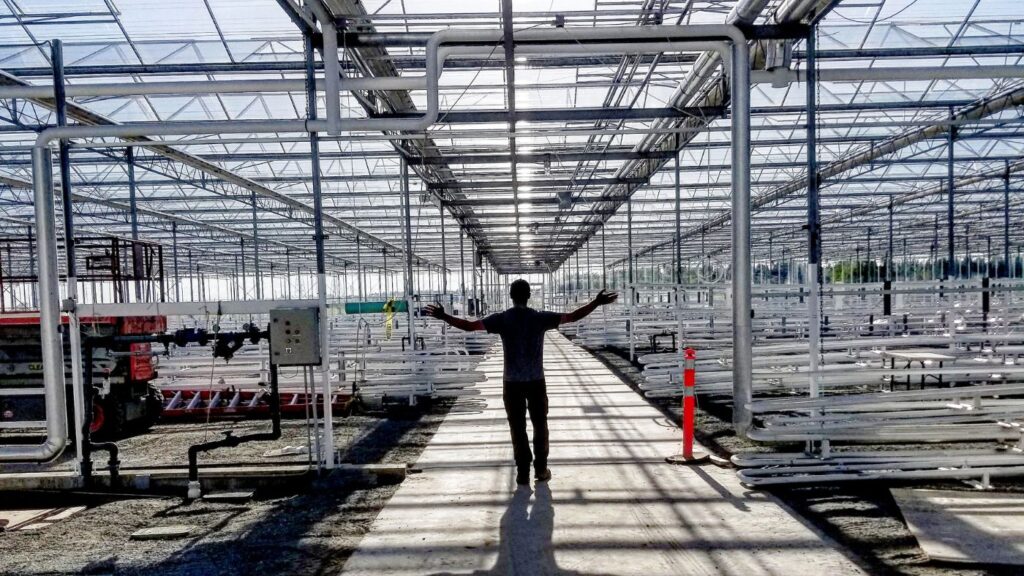 This guide covers the major considerations involved in planning and building a Virginia cannabis facility, with a focus on retail and cultivation operations and additional considerations relevant to processors and microbusinesses. It is written from the build side of the business, because that is where many otherwise-strong applicants stumble: they underestimate utility needs, local approvals, security infrastructure, commissioning, and the time required to convert a site into an inspection-ready operation.
 - Virginia Dual-Use Cannabis Conversion (2027): The $10M Medical-to-Adult-Use Pathway
 For Virginia’s existing medical cannabis operators, the 2026 retail framework created a distinct and high-stakes transition: pharmaceutical processors may apply for verification to exercise dual-use privileges and serve both registered medical patients and adult-use customers. The pathway covers the processor and its permitted cannabis dispensing facilities, and it carries a one-time $10 million fee, a required medical cannabis program preservation plan, an impact-licensee business accelerator commitment, and a firm May 1, 2027 payment or installment-plan deadline.
 - Virginia Impact Cannabis License (2027): Social Equity & the Equity Business Loan Fund
 Virginia’s adult-use cannabis framework creates a meaningful pathway for applicants from communities and backgrounds affected by cannabis prohibition and enforcement. The law does not create a separate, stand-alone impact license. Instead, it creates an impact-licensee designation that qualifying applicants may pursue alongside an underlying marijuana establishment license, such as retail, cultivation, processing, microbusiness, transportation, delivery, or testing.
 - Virginia Cannabis Microbusiness License (2027): Eligibility & the Two-Location Model
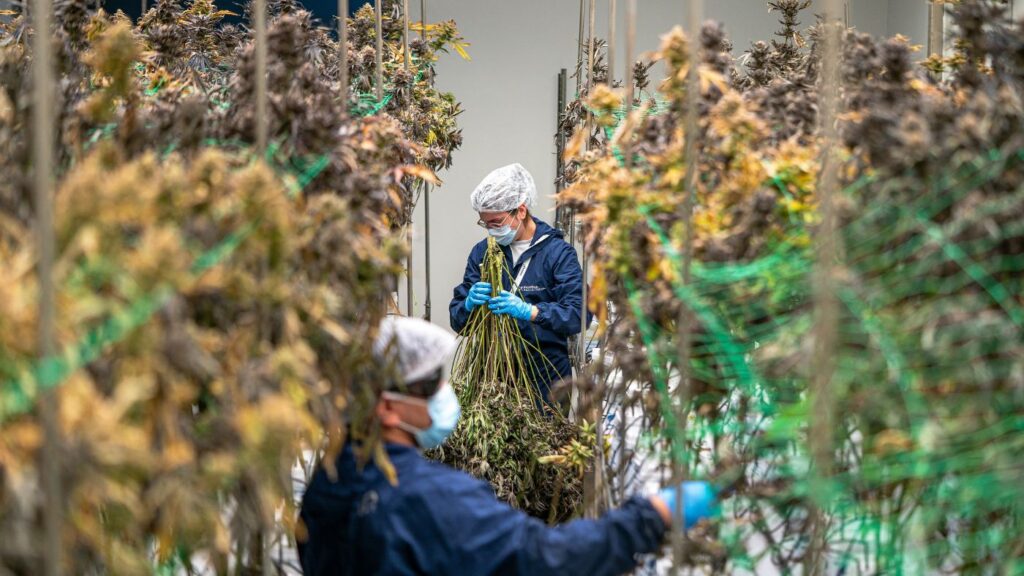 This guide explains the initial eligibility pathways for the licenses the CCA may issue by May 1, 2027, the difference between a microbusiness license and an impact designation, the indoor and outdoor cultivation limits, the precise rules governing two locations, and the financial, security, and operational readiness standards applicants should prepare to demonstrate. Several implementation details – including fees and the specific combination of privileges the CCA will authorize – still depend on forthcoming regulations.
 - Virginia Cannabis Cultivation License (2027): The Tiered System Explained
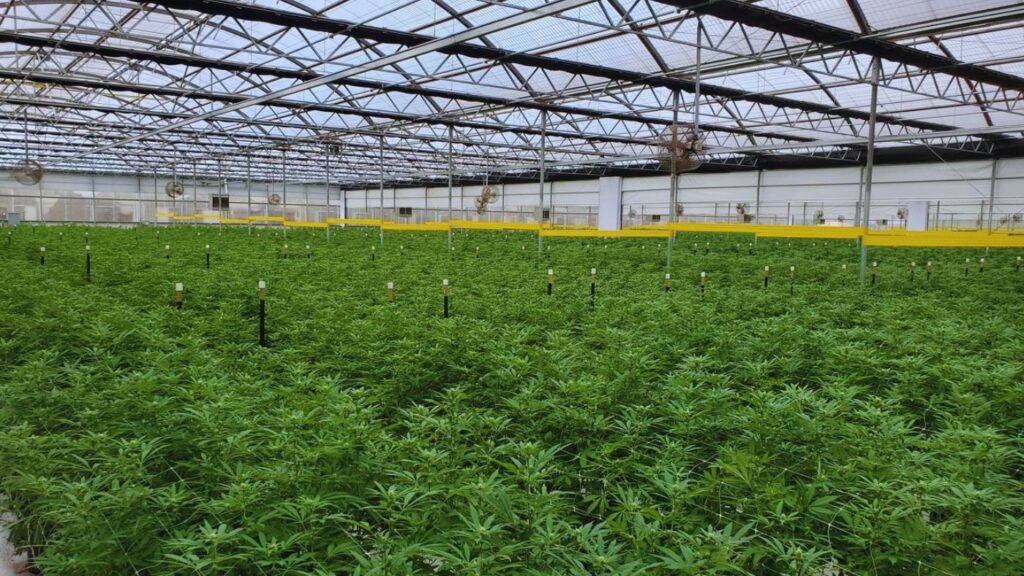 For operators whose strength is growing cannabis, Virginia’s emerging adult-use market presents a significant opportunity – and a cultivation license is the gateway to it. The June 2026 framework authorizes the Virginia Cannabis Control Authority (CCA) to begin accepting license applications on or after February 1, 2027 and issuing licenses on or after May 1, 2027. It also establishes five cultivation tiers with maximum canopies ranging from 5,000 to 35,000 square feet.
 - Virginia Cannabis Licensing (2027): The Complete Guide & License Resource Hub
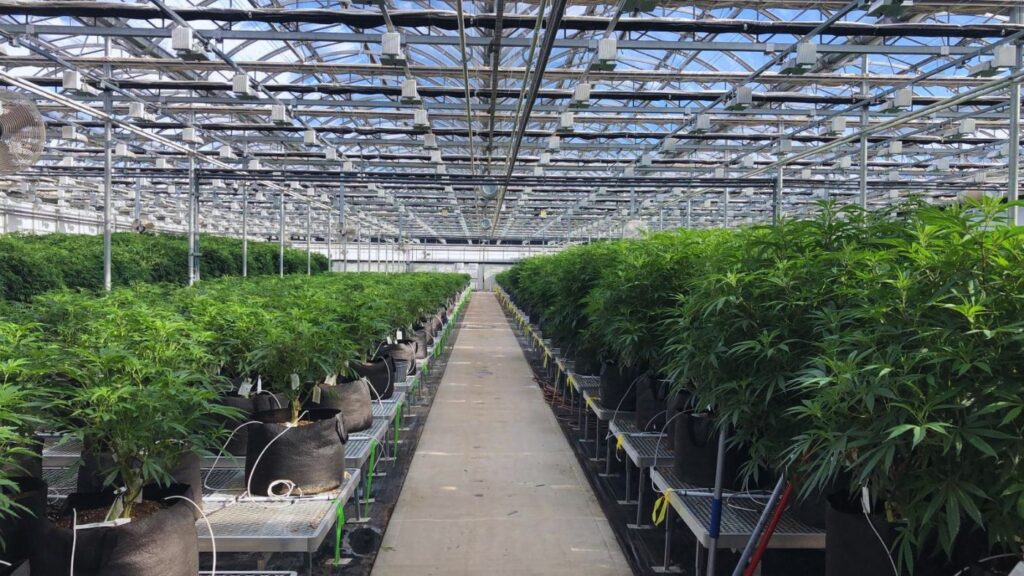 This guide is the hub for what you need to understand about Virginia cannabis licensing in 2027: how the Commonwealth arrived here, what the enacted framework establishes, the principal license types, the implementation timeline, and where to go deeper on each part of the process.