
Estimated reading time: 14 minutes
Table of contents
- Cultivation And Production
- Retail And Dispensary
- Extraction And Processing
- Branding And Marketing
- Ancillary Services
- Vertical Integration
- Medical Focus
- International Expansion
- Other Cannabis Consultant Services To Consider:
- What Are 4 Different Types Of Cannabis Products?
- The Most Profitable Niche Of The Cannabis Industry
- What Makes A Successful Cannabis Store
- What Is The Cannabis Business Called?
- Frequently Asked Questions
- Additional Resources
- Consulting Services For Cannabis, Hemp, Psilocybin, and Natural Medicine
- Testimonials and Public Relations
- Latest Articles
- Explore Our Articles
- Free Ebook – Start Your Own Legal Cannabis Business
Several types of cannabis business strategies can be employed depending on the specific goals and circumstances of the company. Here are some common strategies in the cannabis industry
Cultivation And Production
This strategy focuses on cultivating and producing cannabis products. It involves establishing grow facilities, implementing efficient cultivation practices, and ensuring high-quality production. The goal is to supply cannabis to the market, either as raw flowers or as processed products.
Retail And Dispensary
This strategy involves operating retail stores or dispensaries where cannabis products are sold directly to consumers. It includes creating a welcoming and informative environment, curating a diverse product selection, and providing excellent customer service for cannabis consumers
Extraction And Processing
This strategy focuses on extracting cannabinoids and other beneficial compounds from the cannabis plant and processing them into various products such as oils, concentrates, edibles, or topicals. It requires specialized equipment, expertise in extraction techniques, and adherence to strict quality control standards.
Branding And Marketing
This strategy emphasizes building a strong brand and marketing presence in the cannabis industry. It involves developing a unique brand identity, creating engaging marketing campaigns, and establishing a loyal customer base. Cannabis marketing strategy often goes hand in hand with product differentiation and innovation.
Ancillary Services
This strategy involves providing supportive services to the cannabis industry rather than directly handling cannabis products. Examples include consulting, security, packaging, software development, or distribution services. These businesses serve as valuable partners to other cannabis companies, helping them navigate the complex regulatory landscape or improve operational efficiency.
Vertical Integration
This strategy involves owning and operating multiple stages of the cannabis supply chain. It may include cultivation, manufacturing, distribution, and retailing, allowing the company to have more control over the entire process from seed to sale. Vertical integration can enhance efficiency, quality control, and profit margins.
Medical Focus
This strategy centers around the medical cannabis market. It involves researching, developing, and producing cannabis-based products specifically targeted at addressing medical conditions or symptoms. Companies pursuing this strategy often collaborate with healthcare professionals and conduct clinical trials to validate the therapeutic benefits of their products.
International Expansion
This strategy involves expanding operations beyond domestic markets to capitalize on the global cannabis industry. It requires understanding and complying with the legal and regulatory frameworks of different countries, establishing distribution networks, and adapting to local market preferences and cultural norms.
It’s important to note that the legal and regulatory landscape for cannabis businesses can vary significantly depending on the jurisdiction. Companies should always ensure compliance with applicable laws and seek legal advice when developing their strategies.
Other Cannabis Consultant Services To Consider:
Cannabis Licensing
Cannabis licensing refers to the process of obtaining the necessary permits and approvals to legally operate a cannabis business. Licensing requirements and regulations vary widely depending on the jurisdiction and the type of cannabis business activity involved.
Remember that cannabis laws and regulations are subject to change, and it’s crucial to stay updated on any developments or amendments that may affect your licensing requirements or business operations. Additionally, each jurisdiction has its specific requirements and nuances, so it’s important to research and understand the regulations applicable to your desired location. Hence it is essential to work with a Cannabis consultant. Learn more about our cannabis licensing services.
Cultivation Facility Design
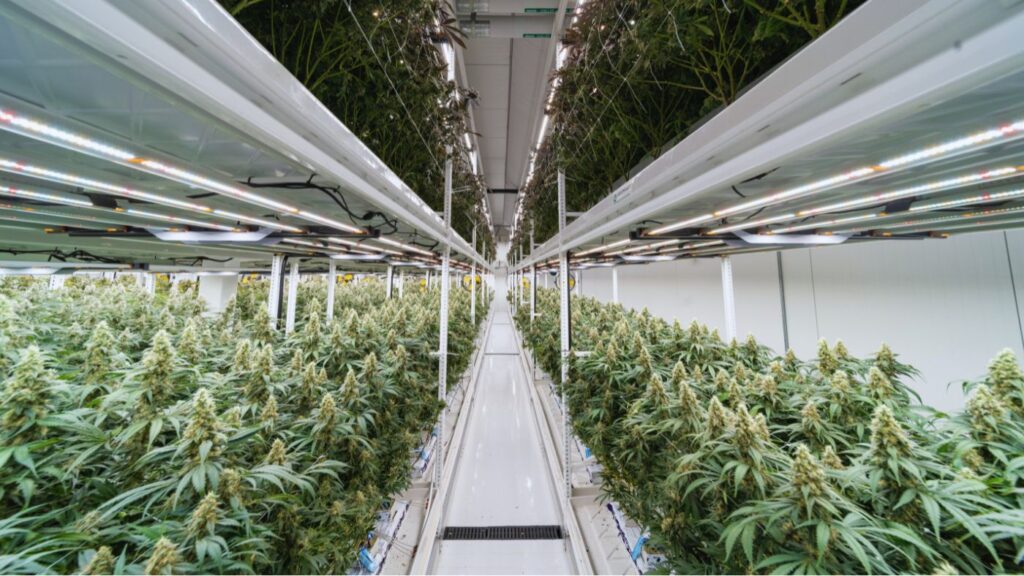
Designing a cultivation facility for cannabis production requires careful consideration of various factors to create an optimal environment for plant growth and maximize efficiency. Here are some key aspects to consider when designing a cannabis cultivation facility:
- Facility Layout: The layout of the facility should be designed to maximize space utilization, workflow efficiency, and ease of operations. Consider factors such as the arrangement of cultivation rooms, workflow patterns, separation of different stages of plant growth (e.g., propagation, vegetative, flowering), and allocation of space for ancillary areas like storage, drying, trimming, and processing.
- Security and Access Control: Cannabis cultivation facilities require robust security measures to prevent unauthorized access, theft, and diversion. Incorporate secure entrances, video surveillance systems, alarm systems, restricted access areas, and appropriate storage and tracking protocols for plants, products, and waste.
- Lighting: Lighting plays a crucial role in cannabis cultivation. Consider the type of lighting technology to be used, such as high-pressure sodium (HPS) lights, light-emitting diodes (LEDs), or a combination of both. Design the lighting system to provide the right intensity, spectrum, and duration for each stage of plant growth, while also ensuring energy efficiency and heat management.
- HVAC and Environmental Control: Cannabis plants require specific temperature, humidity, and airflow conditions for optimal growth. Install a robust HVAC (heating, ventilation, and air conditioning) system capable of maintaining precise environmental parameters. Incorporate air filtration systems to control odors and mitigate the risk of pests and pathogens.
- Irrigation and Water Management: Develop a comprehensive irrigation system to deliver water and nutrients to plants accurately. Consider factors such as water source, water quality testing, automated irrigation systems, nutrient delivery methods (e.g., drip irrigation, hydroponics), and drainage systems to prevent water accumulation and minimize the risk of mold or root diseases.
- Growing Medium and Systems: Choose appropriate growing mediums (such as soil, coco coir, or hydroponic systems) and cultivation techniques (such as traditional soil-based cultivation, soilless cultivation, or deep water culture). Design the facility to accommodate the chosen growing methods, including space for plant containers, irrigation systems, and appropriate drainage systems.
- Environmental Controls: Consider systems for monitoring and controlling factors like CO2 levels, pH levels, relative humidity, and temperature. Automated monitoring and control systems can help maintain stable environmental conditions and optimize plant growth.
- Safety and Compliance: Ensure compliance with safety regulations, including fire safety measures, proper handling and storage of hazardous materials (e.g., fertilizers, pesticides), and adherence to local building codes. Incorporate safety equipment like fire suppression systems, emergency exits, and safety protocols for handling chemicals.
- Sustainability and Energy Efficiency: Implement sustainable practices and energy-efficient technologies to minimize the environmental impact of the facility. Consider incorporating renewable energy sources, energy-efficient lighting and HVAC systems, water recycling systems, and waste management protocols.
- Scalability and Future Growth: Design the facility with scalability in mind, considering future expansion plans and the ability to adapt to evolving regulations and market demands.
It is important to consult with experts, including architects, engineers, HVAC specialists, and cultivation consultants experienced in the cannabis industry, to ensure that your cultivation facility is designed to meet your specific needs and comply with local regulations. learn more about our cultivation facility design service.
What Are 4 Different Types Of Cannabis Products?
There is a wide variety of cannabis products available in the market, catering to different preferences and consumption methods. Here are four different types of cannabis products:
Flower/Bud
Flower, also known as bud, refers to the dried and cured cannabis plant’s reproductive part. It is the most common and traditional form of cannabis consumption. Users typically smoke or vaporize the flower to inhale its cannabinoids, such as THC (tetrahydrocannabinol) and CBD (cannabidiol). Flower products come in different strains, each with its unique combination of cannabinoids and terpenes, resulting in various effects and flavors.
Concentrates
Cannabis concentrates are products that contain highly concentrated forms of cannabinoids. They are extracted from the cannabis plant using various methods, resulting in potent products with higher THC or CBD content than flowers. Common types of concentrates include:
- Hash: Hashish is made by separating the resinous trichomes from the cannabis plant and compressing them into a solid form. It is typically consumed by smoking or vaporizing.
- Shatter: Shatter is a translucent, brittle concentrate with a glass-like texture. It is produced by extracting cannabinoids using solvents and purging the resulting extract to remove residual solvents. Shatter is commonly vaporized or dabbed.
- Wax: Wax is a sticky and opaque concentrate that has a wax-like consistency. It is made using similar extraction methods as shatter but is not purged as thoroughly, resulting in a different texture. Wax is typically dabbed or vaporized.
- Oils: Cannabis oils are highly concentrated extracts that can be consumed orally or vaporized. They are versatile and can be used in various forms, such as tinctures, capsules, vape cartridges, or infused into edibles and topicals.
Edibles
Edibles are cannabis-infused food and beverage products. They offer an alternative method of consumption for those who prefer not to smoke or vaporize. Edibles come in various forms, including baked goods, candies, chocolates, beverages, and more. The effects of edibles are typically delayed compared to smoking or vaping, as the cannabinoids need to be metabolized in the digestive system. It’s important to start with low doses and be mindful of the onset and duration of effects when consuming edibles.
Topicals
Cannabis topicals are products applied to the skin and absorbed transdermally. They come in the form of creams, lotions, balms, oils, and patches. Topicals are primarily used for localized relief, such as soothing muscle soreness, reducing inflammation, or alleviating skin conditions. They typically contain CBD, THC, or a combination of both, but they do not produce psychoactive effects as the cannabinoids do not enter the bloodstream.
These are just a few examples of the many types of cannabis products available. It’s important to note that the availability and legality of specific products may vary depending on the jurisdiction’s regulations.
These are just a few examples of the many types of cannabis products available. It’s important to note that the availability and legality of specific products may vary depending on the jurisdiction’s regulations.
The Most Profitable Niche Of The Cannabis Industry
Determining the most profitable niche in the cannabis industry is challenging, as it can vary depending on several factors, including jurisdiction, market dynamics, and individual business strategies. However, here are a few niches within the cannabis industry that have shown significant growth and profitability:
- Cultivation and Wholesale: Cannabis cultivation, especially for high-quality flowers, can be a profitable niche. Supplying the market with premium cannabis products, either through wholesale or direct sales to dispensaries, can be lucrative. However, it requires substantial initial investments in equipment, facilities, and expertise.
- Retail and Dispensaries: Retail operations, including both physical dispensaries and online platforms, have the potential for significant profitability. Dispensaries generate revenue by selling a wide range of cannabis products directly to consumers. Establishing strong cannabis brands, offering a diverse selection of cannabis products, and providing excellent customer service is crucial for success in this niche.
- Extracts and Concentrates: The market for cannabis extracts, such as oils, concentrates, and vape cartridges, has experienced rapid growth. These products often command higher price points due to their potency and versatility. Establishing a reputable brand, developing unique formulations, and ensuring product quality can contribute to profitability in this niche.
- Ancillary Services and Technology: Ancillary businesses that provide services and technology solutions to the cannabis industry can be profitable. These include companies specializing in consulting, packaging, compliance software, security systems, and hydroponic equipment. As the industry expands, businesses supporting the operational needs of cannabis companies can find success.
It’s important to note that the profitability of any niche depends on various factors, including market demand, competition, regulatory environment, and the ability to adapt to evolving industry trends. Effective cannabis marketing, cannabis advertising, use of social media platforms can help propel the profitability of most cannabis businesses. Additionally, the cannabis industry is highly regulated, and compliance with legal requirements is critical for long-term success.
Before pursuing any niche, thorough market research, business planning, and understanding of the local regulations are crucial to assessing the viability and profitability of a particular niche in a given market. Consulting with industry experts and professionals experienced in the cannabis industry can provide valuable insights and guidance for identifying profitable opportunities.
What Makes A Successful Cannabis Store
Several factors contribute to the success of a cannabis store. Here are some key elements that can make a cannabis store successful:
- Compliance and Licensing: Operating in full compliance with the local cannabis regulations is essential. Obtaining the necessary licenses, adhering to strict compliance protocols, and staying updated with the evolving legal requirements demonstrate professionalism and build trust with customers and regulatory authorities.
- Quality Products: Offering a diverse selection of high-quality cannabis products is crucial. Carry a range of strains, concentrates, edibles, topicals, and other popular products to cater to different customer preferences. Partner with reputable suppliers and conduct thorough product testing to ensure safety, potency, and consistency.
- Knowledgeable and Friendly Staff: Well-trained and knowledgeable staff members are critical for a successful cannabis store. They should be familiar with different product types, strains, effects, and consumption methods. Staff should provide personalized recommendations, educate customers about responsible use, and create a welcoming and comfortable environment.
- Customer Experience: Focus on providing an exceptional customer experience. Create a welcoming and comfortable atmosphere in the store, offer a clean and organized layout, and provide excellent customer service. Engage with customers, listen to their needs, answer their questions, and ensure their satisfaction. Building customer loyalty can lead to repeat business and positive word-of-mouth referrals.
- Education and Information: Educate customers about the various cannabis products, consumption methods, and effects. Provide educational materials, product descriptions, and dosage guidelines. Organize educational events or workshops to promote responsible use and destigmatize cannabis.
- Branding and Marketing: Develop a strong brand identity that resonates with the target market. Differentiate the store through unique branding, logo, website, and packaging design. Implement effective marketing strategies to reach and engage with customers, both online and offline. Utilize social media, digital advertising, and local partnerships to create awareness and attract customers.
- Store Design and Merchandising: Design the store layout to optimize customer flow, product visibility, and ease of navigation. Create attractive displays that showcase products effectively. Consider incorporating interactive elements, product demonstrations, or sensory experiences to enhance customer engagement.
- Community Engagement: Actively participate in the local community and engage with relevant organizations, events, and initiatives. This can help build a positive reputation, foster relationships, and attract local customers. Support community causes and provide educational resources to promote responsible cannabis use.
- Adaptability and Innovation: The cannabis industry is dynamic, and successful stores stay adaptable and embrace innovation. Stay updated with industry trends, new products, and evolving customer preferences. Regularly assess and refine the store’s offerings, operations, and customer experience to stay competitive.
- Operational Efficiency: Efficient inventory management, streamlined processes, and effective supply chain management contribute to the success of a cannabis store. Implement reliable point-of-sale (POS) systems, inventory tracking software, and efficient order fulfillment processes to ensure smooth operations.
Remember that success in the cannabis industry requires ongoing compliance with regulations, a commitment to quality and customer service, and a dedication to continuous improvement. Understanding the local market, building relationships, and staying customer-focused are key to a successful cannabis store.
What Is The Cannabis Business Called?
The term ”cannabis business” is a broad term used to refer to any business involved in the cultivation, processing, manufacturing, distribution, retail, or ancillary services related to cannabis. There are various types of businesses within the cannabis industry, each specializing in different aspects of the cannabis market. Some common types of cannabis businesses include:
- Cultivation Facilities: These businesses focus on cultivating and growing cannabis plants for commercial purposes. They may specialize in indoor, outdoor, or greenhouse cultivation.
- Processing and Manufacturing: These businesses are involved in processing raw cannabis material in various forms, such as extracts, concentrates, edibles, topicals, and other derivative products.
- Retail Dispensaries: Retail dispensaries are storefront locations where consumers can purchase cannabis products legally. They offer a range of cannabis products, including flowers, concentrates, edibles, and more.
- Delivery Services: Cannabis delivery services provide a convenient option for customers to have cannabis products delivered to their doorstep. They operate similarly to other delivery services, delivering products directly to customers’ homes.
- Testing Laboratories: Testing laboratories analyze cannabis products for potency, quality, and safety. They provide critical quality control measures to ensure compliance with regulations and the safety of cannabis products.
- Ancillary Services: Ancillary businesses provide support services and products to the cannabis industry. This can include consulting services, packaging and labeling companies, security firms, software providers, marketing agencies, and more.
- Research and Development: Research and development businesses focus on advancing cannabis science, developing new products, and conducting studies to expand the understanding of cannabis and its potential applications.
These are just a few examples of the types of businesses operating within the cannabis industry. It’s a dynamic and evolving industry with a wide range of opportunities for entrepreneurs and professionals interested in entering the market.
Frequently Asked Questions
How Do I Choose The Right Cannabis Business Strategy For My Company?
Choosing the right strategy depends on various factors such as your company’s goals, resources, expertise, target market, and regulatory environment. Conduct thorough market research, assess your strengths and weaknesses, and evaluate market opportunities to determine the strategy that aligns best with your business objectives.
How Can I Differentiate My Cannabis Business From Competitors?
Differentiation can be achieved through various means, including product quality, branding, customer service, innovation, pricing, and market positioning. Identify unique selling points that set your business apart, focus on providing exceptional customer experiences, and communicate your value proposition effectively through branding and marketing efforts.
Should I Focus On A Specific Cannabis Niche Or Offer A Wide Range Of Products?
The decision to focus on a specific niche or offer a wide range of products depends on your target market, competition, and resources. A niche strategy allows you to specialize and cater to specific customer needs, potentially establishing a strong market position. However, offering a broader range of products may attract a wider customer base. Consider market demand, competition, and your ability to deliver high-quality products in making this decision.
How Can I Ensure Compliance With Cannabis Regulations In My Business Strategy?
Compliance with cannabis regulations is crucial for the success and longevity of your cannabis company. Stay informed about local, state, and federal regulations related to licensing, product testing, packaging, advertising, and security. Establish strict standard operating procedures (SOPs) and protocols to ensure compliance at all levels of your operations. Regularly review and update your practices to adapt to evolving regulations.
Additional Resources
Consulting Services For Cannabis, Hemp, Psilocybin, and Natural Medicine
- Consulting Services Overview
- Business Strategy
- Financial Planning
- Cannabis, Hemp, Psilocybin, & Natural Medicine Licensing and Applications
- Facility Design
- StartUp Support
- Genetic Development
- Business Turnaround
- Operational Optimization
- Vertical Farming
- Controlled Environmental Agriculture (CEA)
- State and Country Services Directory
- Blog
- Home
Testimonials and Public Relations
Latest Articles
- How Much Does It Cost to Open a Dispensary in 2026?
 The allure of jumping into the legalized cannabis industry often paints a picture of quick riches and burgeoning demand, yet the reality of establishing a licensed cannabis dispensary is far more nuanced, capital-intensive, and fraught with unique financial challenges. For aspiring entrepreneurs and seasoned investors alike, understanding the true dispensary startup costs is the absolute bedrock of success.
 - Virginia Cannabis Facility Design & Build-Out for the 2027 Market
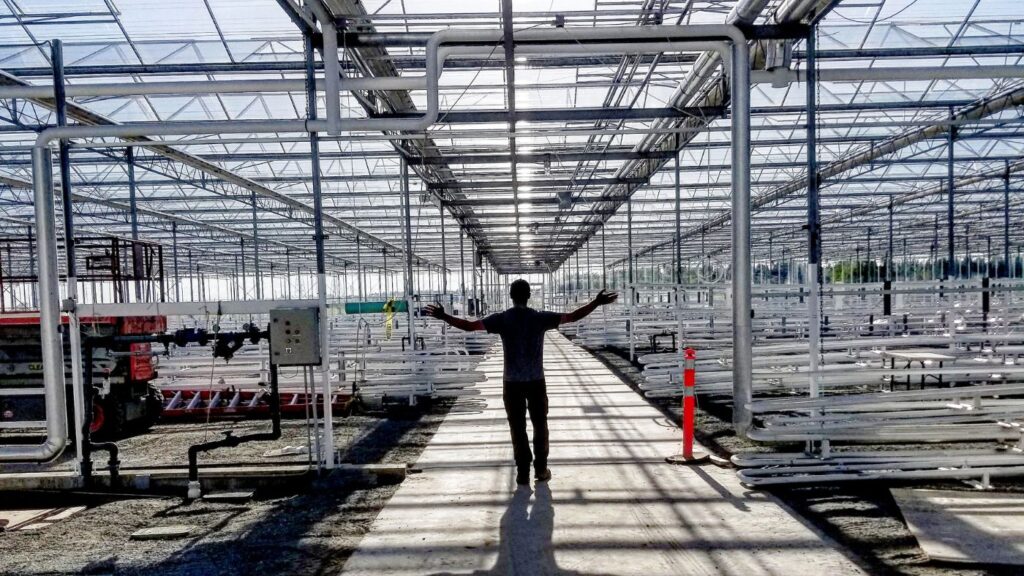 This guide covers the major considerations involved in planning and building a Virginia cannabis facility, with a focus on retail and cultivation operations and additional considerations relevant to processors and microbusinesses. It is written from the build side of the business, because that is where many otherwise-strong applicants stumble: they underestimate utility needs, local approvals, security infrastructure, commissioning, and the time required to convert a site into an inspection-ready operation.
 - Virginia Dual-Use Cannabis Conversion (2027): The $10M Medical-to-Adult-Use Pathway
 For Virginia’s existing medical cannabis operators, the 2026 retail framework created a distinct and high-stakes transition: pharmaceutical processors may apply for verification to exercise dual-use privileges and serve both registered medical patients and adult-use customers. The pathway covers the processor and its permitted cannabis dispensing facilities, and it carries a one-time $10 million fee, a required medical cannabis program preservation plan, an impact-licensee business accelerator commitment, and a firm May 1, 2027 payment or installment-plan deadline.
 - Virginia Impact Cannabis License (2027): Social Equity & the Equity Business Loan Fund
 Virginia’s adult-use cannabis framework creates a meaningful pathway for applicants from communities and backgrounds affected by cannabis prohibition and enforcement. The law does not create a separate, stand-alone impact license. Instead, it creates an impact-licensee designation that qualifying applicants may pursue alongside an underlying marijuana establishment license, such as retail, cultivation, processing, microbusiness, transportation, delivery, or testing.
 - Virginia Cannabis Microbusiness License (2027): Eligibility & the Two-Location Model
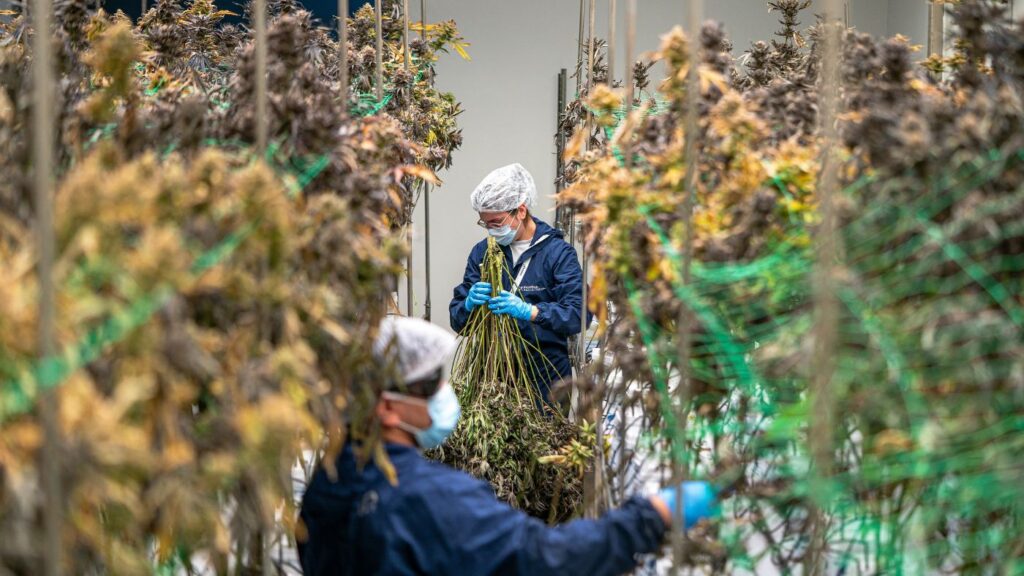 This guide explains the initial eligibility pathways for the licenses the CCA may issue by May 1, 2027, the difference between a microbusiness license and an impact designation, the indoor and outdoor cultivation limits, the precise rules governing two locations, and the financial, security, and operational readiness standards applicants should prepare to demonstrate. Several implementation details – including fees and the specific combination of privileges the CCA will authorize – still depend on forthcoming regulations.
 - Virginia Cannabis Cultivation License (2027): The Tiered System Explained
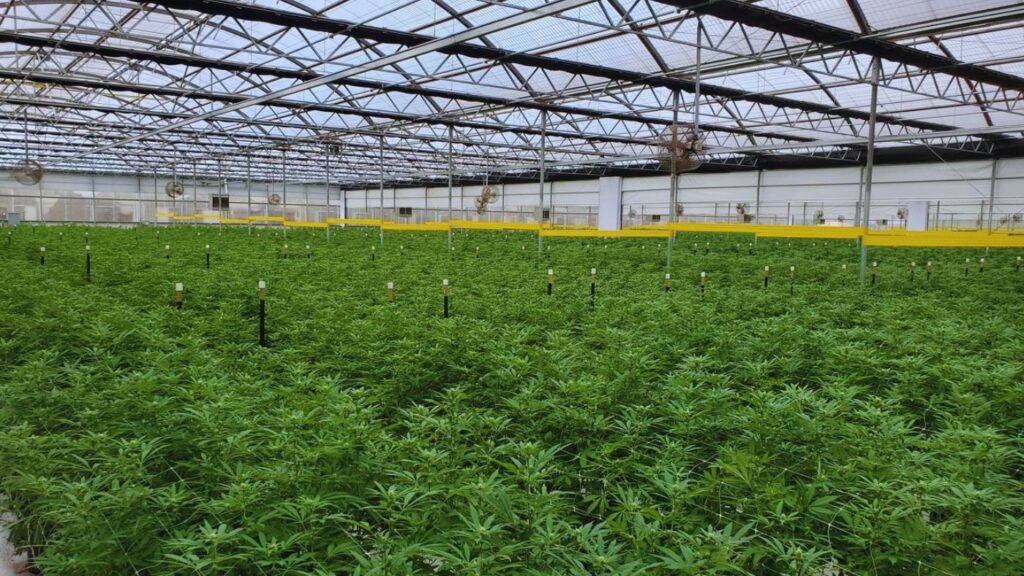 For operators whose strength is growing cannabis, Virginia’s emerging adult-use market presents a significant opportunity – and a cultivation license is the gateway to it. The June 2026 framework authorizes the Virginia Cannabis Control Authority (CCA) to begin accepting license applications on or after February 1, 2027 and issuing licenses on or after May 1, 2027. It also establishes five cultivation tiers with maximum canopies ranging from 5,000 to 35,000 square feet.
Explore Our Articles
cannabis applications Cannabis Bar Cannabis Business Optimization cannabis careers Cannabis Compliance Cannabis Consumption Cannabis Consumption Bar Cannabis Inventory Management Systems Cannabis Investors cannabis jobs Cannabis Legalization cannabis licensing Cannabis Lounge cannabis marketing Cannabis Operational Procedures cannabis outreach Cannabis Regulations Cannabis Security Cannabis Software Cannabis Startup Cannabis Supply Chain Cannabis Technology Colorado controlled environment agriculture Cultivation cultivation facility Dispensary Design facility design Financial Planning HVAC HVACD Iowa Kansas Legal Update Legislation Medical Cannabis Minnesota Natural Medicine Nebraska New York Odor Control Oregon Psilocybin Psychedelics Recreational Cannabis
Free Ebook – Start Your Own Legal Cannabis Business