

Estimated reading time: 12 minutes
Table of contents
- HB 30 Overview
- Steps to Open a Dispensary in Virginia
- Virginia Dispensary Location Requirements
- Work With Catalyst BC to Open Your Virginia Dispensary
- Success Stories: See How Catalyst BC Has Helped Cannabis Businesses Enter and Lead the Market
- How to Open a Dispensary in Virginia FAQs
- Additional Resources
- Free eBooks For Cannabis Business Success
- Latest Articles
Editor’s Notes: This article is part of our Virginia 2027 Licensing Hub. Other topics covered in this series are:
- Virginia Cannabis License 2027 Application Guide
- How to Open a Dispensary in Virginia
- Virginia Cannabis Microbusiness License Guide
- Virginia Cannabis Cultivation License Guide
- Virginia Impact Cannabis License Guide
- Virginia Cannabis Facility Design and Build-Out
- Virginia Dual-Use Cannabis Conversion Guide
HB 30 Overview
Virginia law allows the Board to issue no more than 350 retail marijuana store licenses statewide. That is a ceiling, not a promise that all 350 will be offered in the first licensing period. Before each period, the CCA must announce the available license types and numbers. It will first review applications for basic qualification; if qualified retail applicants outnumber the licenses offered, the CCA will use an impartial lottery to select applicants for preliminary license approval. Impact applicants receive a separate first opportunity for licenses reserved for that pool and, if not selected there, enter the general qualified applicant pool.
HB 30 does not provide localities with a separate opt-out referendum, but it preserves broad local authority over zoning, land use, construction, sanitation, business licensing, and related ordinances. Local governing bodies may also submit objections during final review, and the Board may consider store density, neighborhood character, existing licenses, and local or resident objections. In practice, local engagement remains central even though the state created a statewide retail market.

Expert Insight – Treat retail as a regulated inventory and service business. Store economics depend on more than foot traffic. A strong operation combines disciplined purchasing, assortment, and pricing, inventory accuracy, cash controls, customer throughput, staff training, delivery procedures, and a layout that supports security without degrading the customer experience. Retail applicants should model basket size, gross margin, inventory turns, shrinkage, labor, taxes, and working capital before committing to a lease or build-out.
Leif Olsen – Catalyst BC Chief Executive Officer
Steps to Open a Dispensary in Virginia
Begin your preparation following the below guidelines:
- Decide This Is the Right License for You
A retail marijuana store license authorizes a business to acquire marijuana, marijuana products, immature plants, and seeds from licensed cultivation and processing facilities; receive inventory from transporters; and sell authorized products, paraphernalia, immature plants, and seeds to consumers age 21 and older. Stores may conduct face-to-face sales, deliver in person, or use a licensed delivery operator. They may not use vending machines, drive-through sales windows, or third-party internet marketplaces, and a single transaction may not exceed two ounces of marijuana or the equivalent amount established by regulation. The Board must also limit retail floor space to no more than 2,500 square feet.
- Secure a Compliant Location
Location is critical, but Virginia does not require a selected applicant to finalize the licensed premises before the initial application and lottery process. A retail store may not be located within 1,000 feet of a hospital; a public, private, or parochial school; an institution of higher education; or a child day program. The Board may also reject a location that would interfere with those institutions, substantially disturb nearby residential areas or property values, prevent reasonable observation by regulators or law enforcement, or share an establishment where alcohol, tobacco, or tobacco products are manufactured, sold, or used. Local zoning and land use compliance remain mandatory.
Applicants selected for preliminary approval generally have 18 months to provide the address, legal property description, locality, updated security information, and other site materials. The CCA may grant one extension of up to six months for good faith efforts. This structure reduces the need to carry a fully committed property through an uncertain lottery. However, serious applicants should still build a screened site pipeline and use conditional leases, options, or letters of intent that carefully allocate the risk of zoning, licensing, termination, and extension. - Build Your Capital Plan
Opening a dispensary requires more than just application and license fees, which the CCA must still set. The capital plan should cover real estate diligence and carrying costs, design and construction, security and surveillance, compliant storage, point-of-sale and seed-to-sale integration, opening inventory, insurance, banking and cash handling, staffing, training, local approvals, and working capital through stabilization. Applicants must demonstrate financial responsibility for the proposed business, and all marijuana establishment applicants and licensees must enter into, maintain, and abide by a labor peace agreement with a bona fide labor organization. Impact applicants may receive fee, proof-of-funds, and site-control accommodations under CCA regulations and may be eligible for Equity Business Loan Fund support; that assistance should be treated as a potential resource, not as guaranteed project financing.
- Prepare and Submit Your Application
The CCA must announce each licensing period before accepting applications, including the types and quantities of licenses available, as well as the opening and closing dates. A complete application will require the CCA’s form, the application fee, a sworn statement that the information is true, ownership and principal disclosures, evidence of financial responsibility, an attestation to a labor peace agreement, and the additional security, operational, background, and compliance information required by regulation. The statutory process provides 10 calendar days to cure an initial deficiency and generally 10 calendar days to answer a later information request. Applicants may submit only one application for a given license type. Qualified applications are entered into a lottery only when demand exceeds the number of licenses offered.
- Build Out and Open
Selection in a lottery produces preliminary license approval, not an immediately operating store. The selected applicant must finalize site selection within the applicable 18-month period, maintain legal possession of the licensed premises, satisfy local zoning and land use requirements, update its security information, complete the required background process, pay the license fee, and pass the CCA’s site review. The locality receives notice and has 30 days to submit objections. After the required site information and background results are received, the CCA generally has 90 days to issue the license or explain the rejection. July 1, 2027, is the earliest date for adult-use retail sales, not a universal opening deadline for all future licensees.
Virginia Dispensary Location Requirements
| Location requirement | Detail |
| Statutory buffer | At least 1,000 feet from hospitals; public, private, or parochial schools; institutions of higher education; and child day programs |
| Local and neighborhood review | Must satisfy local zoning and land-use laws; density, nearby residences, neighborhood effects, and objections may be considered |
| Prohibited co-location | May not share an establishment where alcohol, tobacco, or tobacco products are manufactured, sold, or used |
| Retail floor limit | Maximum 2,500 square feet of retail floor space |

Expert Insight – Prepare a decision-ready business without taking unnecessary site risk. Virginia’s preliminary approval structure means a strong applicant should have its ownership, capitalization, labor strategy, security concept, operating model, and screened real estate options ready before filing, but it does not need to carry the full cost of a final site through an uncertain lottery. Use conditional site control instruments, validate statutory buffers and local approvals early, and ensure the application, financing documents, management arrangements, and ownership disclosures tell a single consistent story. All license transfers and changes in ownership or control require prior Board approval; the separate five-year restriction applies specifically to impact-designated licenses, not to every standard retail license.
Michael Williamson – Catalyst BC Chief Operating Officer
Related: Virginia cannabis consulting.
Work With Catalyst BC to Open Your Virginia Dispensary
Opening a Virginia dispensary requires coordinated licensing, real estate, local approvals, labor planning, financing, retail design, security, inventory controls, and commissioning. Catalyst BC helps operators evaluate the retail licensing pathway, build application-ready ownership and operating structures, screen locations without assuming unnecessary lease risk, develop capital and working capital models, and carry selected projects through design, build-out, inspection, and opening. The CCA may begin accepting applications on or after February 1, 2027, but the specific retail window and license quantity will be announced during a formal licensing period. Contact our team to prepare for the process Virginia actually enacted and build a store designed to operate compliantly and profitably.
About the authors: This guide was prepared by the Catalyst BC cannabis consulting team. Catalyst BC advises cannabis operators on state licensing strategy, retail site selection and zoning, ownership and financing coordination, regulatory compliance, and dispensary design, build out, commissioning, and Owner’s Representative services across U.S. and international markets. This article is provided for informational purposes only and does not constitute legal, financial, labor, real estate, or construction advice; applicants should confirm current requirements with the Virginia Cannabis Control Authority and consult qualified Virginia professionals regarding their specific circumstances.
Success Stories: See How Catalyst BC Has Helped Cannabis Businesses Enter and Lead the Market
From initial startup and facility build-outs to high-value exit strategies, our cannabis consultants provide the expertise needed to navigate the complexities of the legal cannabis industry.
How to Open a Dispensary in Virginia FAQs
Yes. Virginia has enacted an adult-use retail framework, but you must obtain a retail marijuana store license from the CCA and complete final site approval, inspection, and other operating requirements. Adult-use retail sales may not begin before July 1, 2027.
The Board may issue no more than 350 retail marijuana store licenses statewide. The CCA will decide how many retail licenses are available in each licensing period; 350 is a ceiling, not a guaranteed first-round issuance.
The CCA may begin accepting applications for marijuana establishments on or after February 1, 2027. It must first announce the retail licensing period, the number of licenses available, and the opening and closing dates.
A retail store may not be within 1,000 feet of a hospital, public, private, or parochial school, institution of higher education, or child day program. It must comply with local zoning and land use laws, cannot be located in an establishment where alcohol or tobacco is sold or used, and may be rejected based on neighborhood or residential impacts.
CCA application and annual license fees are still to be set. Project costs also include real estate, design, build-out, security, seed-to-sale and POS systems, inventory, insurance, banking and cash controls, staffing, labor peace compliance, local approvals, and working capital.
No. A retail marijuana store buys or receives products from licensed cultivation and processing facilities and transporters. The license may also authorize sales of immature plants, seeds, and paraphernalia. Cultivation and processing require separate privileges or licenses.
The Cannabis Impact Business Support Team is intended to assist potential applicants. The Cannabis Equity Business Loan Fund provides grants, loans, and other support to impact licensees, and CCA regulations may provide impact applicants with fee waivers, proof-of-funds requirements, or site-control accommodations. Support is not automatic financing for every retail applicant.
Any assignment, sale, transfer, or change in ownership or control requires prior written approval of the Board. The five-year limit on transferring more than a 49% controlling interest applies specifically to impact-designated licenses, not to every retail license.
You generally have 18 months to finalize the site and submit the required property, locality, security, and related information, with one possible extension of up to six months. The CCA then notifies the locality, schedules an inspection, completes the final review, and requires the license fee.
HB 30 has been enacted, including the 350-license ceiling, licensing period, lottery process, site review sequence, labor peace requirement, location rules, retail floor limit, and operating restrictions. The CCA must still finalize regulations, application forms, fees, security standards, and the timing and number of retail licenses offered.
Additional Resources
Free eBooks For Cannabis Business Success




Latest Articles
- How Much Does It Cost to Open a Dispensary in 2026?
 The allure of jumping into the legalized cannabis industry often paints a picture of quick riches and burgeoning demand, yet the reality of establishing a licensed cannabis dispensary is far more nuanced, capital-intensive, and fraught with unique financial challenges. For aspiring entrepreneurs and seasoned investors alike, understanding the true dispensary startup costs is the absolute bedrock of success.
 - Virginia Cannabis Facility Design & Build-Out for the 2027 Market
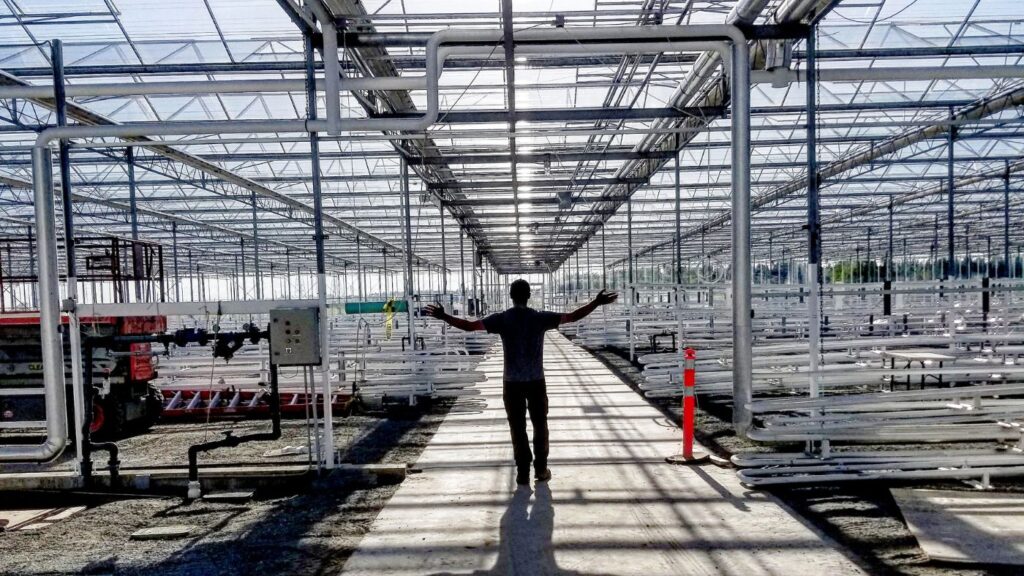 This guide covers the major considerations involved in planning and building a Virginia cannabis facility, with a focus on retail and cultivation operations and additional considerations relevant to processors and microbusinesses. It is written from the build side of the business, because that is where many otherwise-strong applicants stumble: they underestimate utility needs, local approvals, security infrastructure, commissioning, and the time required to convert a site into an inspection-ready operation.
 - Virginia Dual-Use Cannabis Conversion (2027): The $10M Medical-to-Adult-Use Pathway
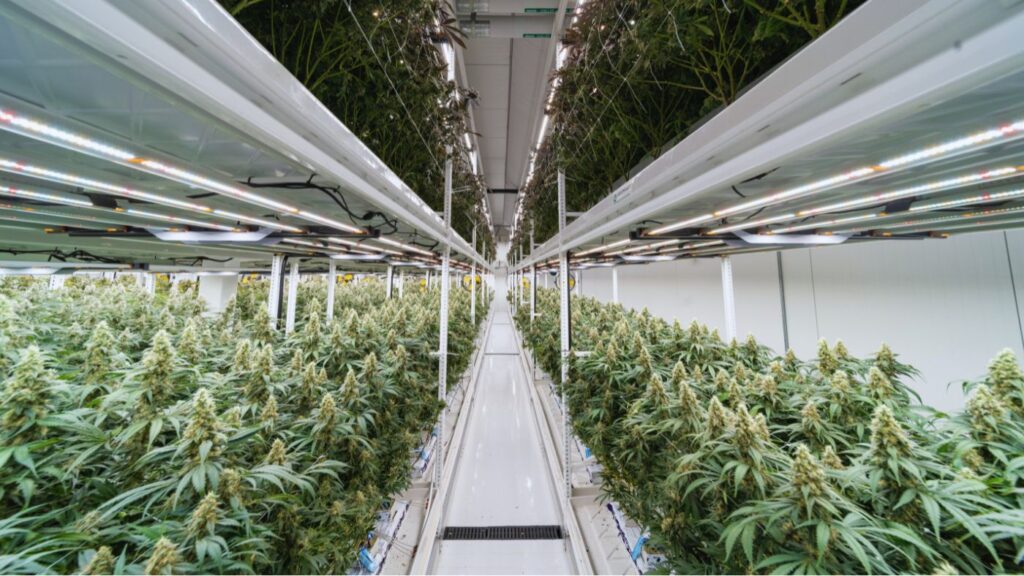 For Virginia’s existing medical cannabis operators, the 2026 retail framework created a distinct and high-stakes transition: pharmaceutical processors may apply for verification to exercise dual-use privileges and serve both registered medical patients and adult-use customers. The pathway covers the processor and its permitted cannabis dispensing facilities, and it carries a one-time $10 million fee, a required medical cannabis program preservation plan, an impact-licensee business accelerator commitment, and a firm May 1, 2027 payment or installment-plan deadline.
 - Virginia Impact Cannabis License (2027): Social Equity & the Equity Business Loan Fund
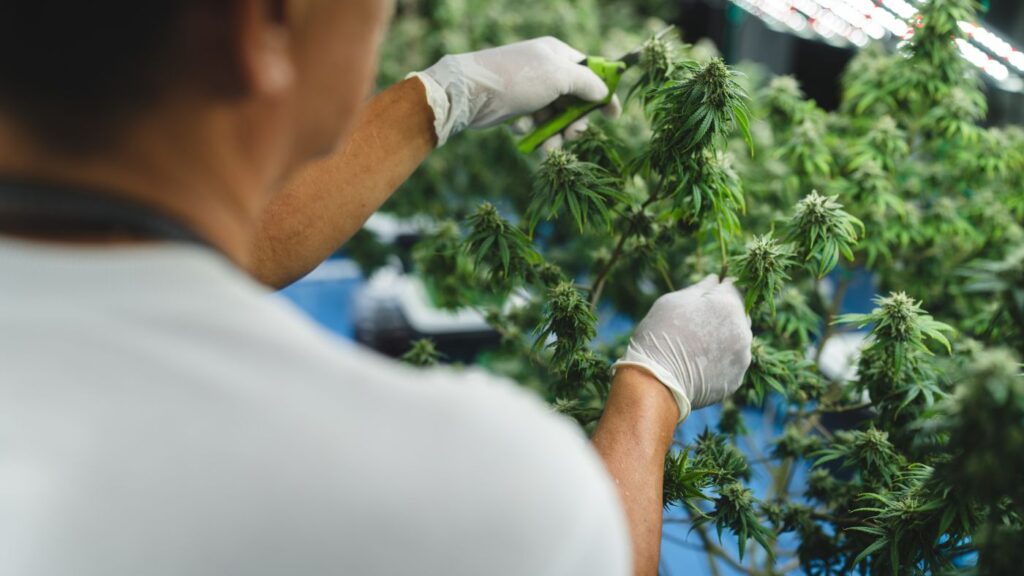 Virginia’s adult-use cannabis framework creates a meaningful pathway for applicants from communities and backgrounds affected by cannabis prohibition and enforcement. The law does not create a separate, stand-alone impact license. Instead, it creates an impact-licensee designation that qualifying applicants may pursue alongside an underlying marijuana establishment license, such as retail, cultivation, processing, microbusiness, transportation, delivery, or testing.
 - Virginia Cannabis Microbusiness License (2027): Eligibility & the Two-Location Model
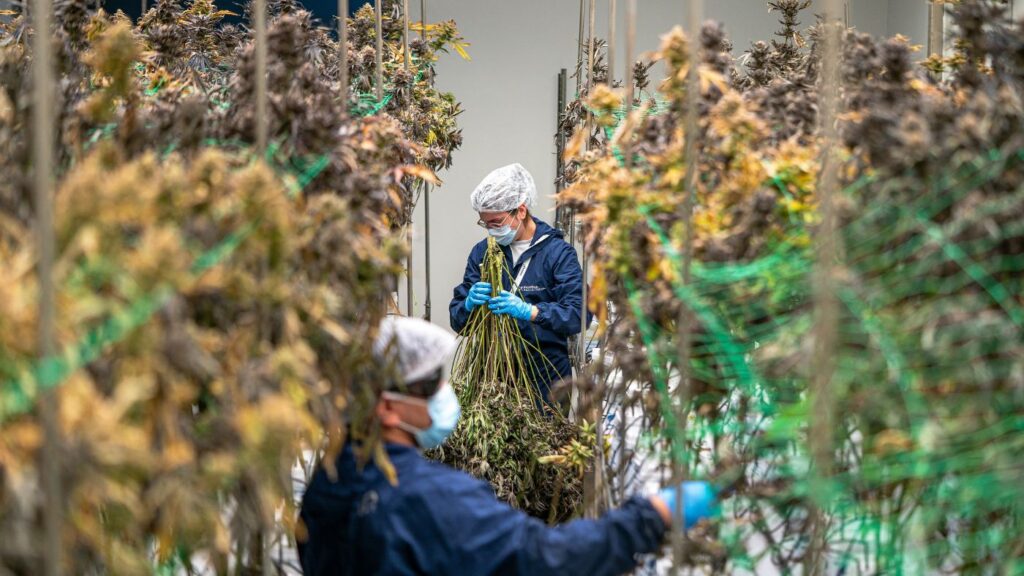 This guide explains the initial eligibility pathways for the licenses the CCA may issue by May 1, 2027, the difference between a microbusiness license and an impact designation, the indoor and outdoor cultivation limits, the precise rules governing two locations, and the financial, security, and operational readiness standards applicants should prepare to demonstrate. Several implementation details – including fees and the specific combination of privileges the CCA will authorize – still depend on forthcoming regulations.
 - Virginia Cannabis Cultivation License (2027): The Tiered System Explained
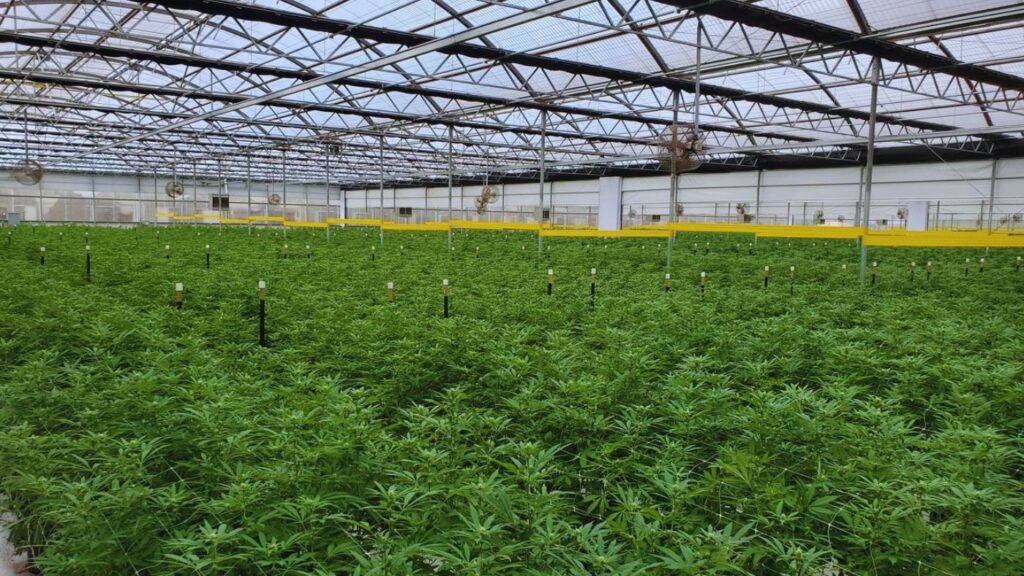 For operators whose strength is growing cannabis, Virginia’s emerging adult-use market presents a significant opportunity – and a cultivation license is the gateway to it. The June 2026 framework authorizes the Virginia Cannabis Control Authority (CCA) to begin accepting license applications on or after February 1, 2027 and issuing licenses on or after May 1, 2027. It also establishes five cultivation tiers with maximum canopies ranging from 5,000 to 35,000 square feet.