Leif

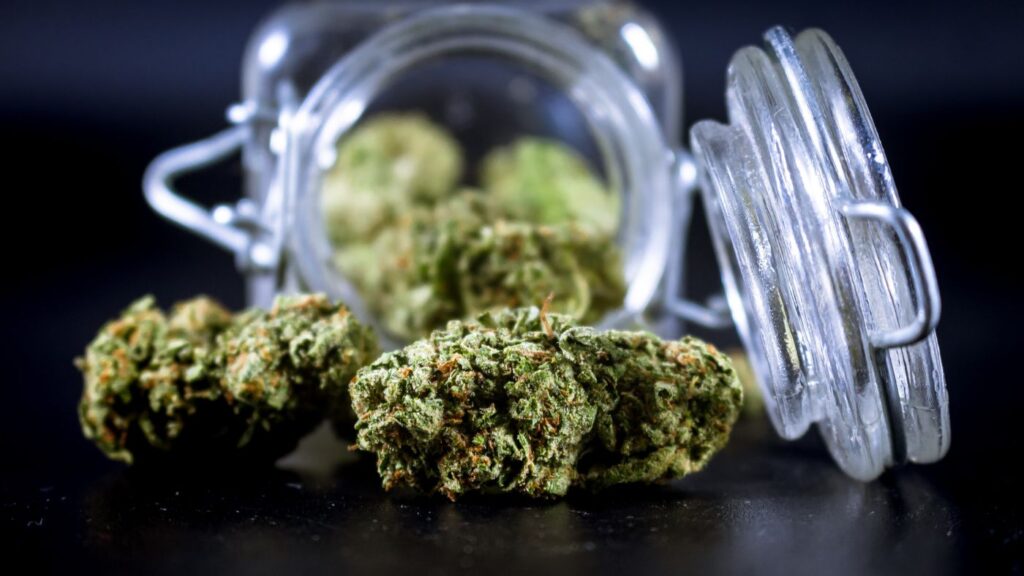
Glass jar of cannabis buds tipped on its side with flower spilling out, representing New York cannabis brand products
Cannabis Business Plans and Strategies, Cannabis Consulting, Cannabis Operations and Optimization, Laws and Regulations, New York

New York Processor Type 3 Branding License (2026): The Open White-Label Path

New York currently accepts Processor Type 3 Branding license applications year-round. For the right business, it can be an efficient way to establish a compliant brand presence in New York’s fast-growing adult-use market because it permits white-label agreements without requiring the brand licensee to operate a cannabis manufacturing facility. It does not, however, authorize the brand licensee to possess cannabis, manufacture products, distribute inventory, or sell directly to consumers.

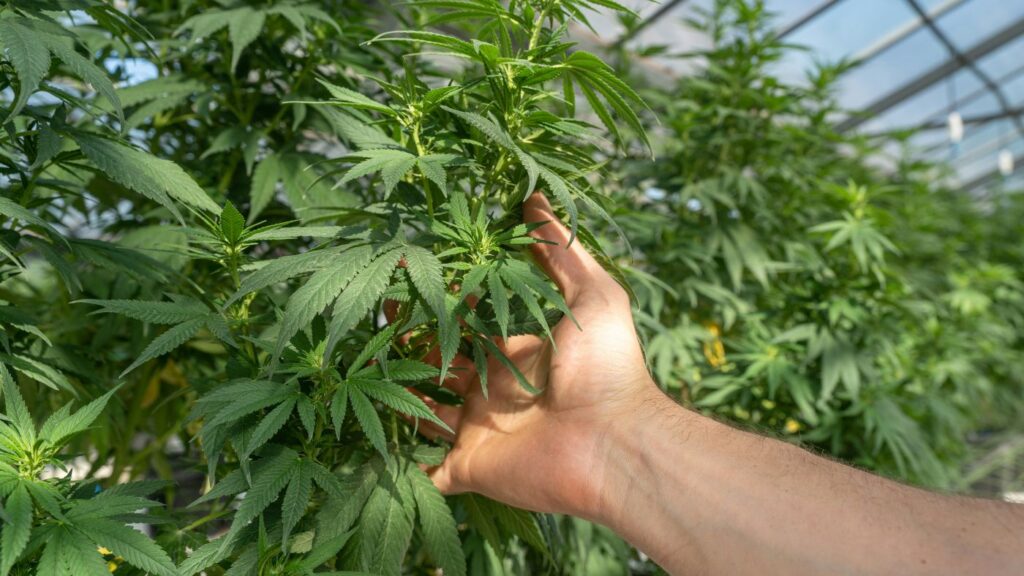
Hand holding cannabis leaves in an indoor facility grown under a New York microbusiness license
Cannabis Business Plans and Strategies, Cannabis Consulting, Cannabis Operations and Optimization, Laws and Regulations, New York

New York Cannabis Microbusiness License (2026): The Limited-Vertical Path

In a market that otherwise generally separates the supply and retail tiers, the New York cannabis microbusiness license is a limited exception – and that makes it one of the most interesting and most misunderstood licenses in the state. It allows one small-scale operator to cultivate cannabis and conduct at least one additional authorized activity: processing, distribution, or retail sale.

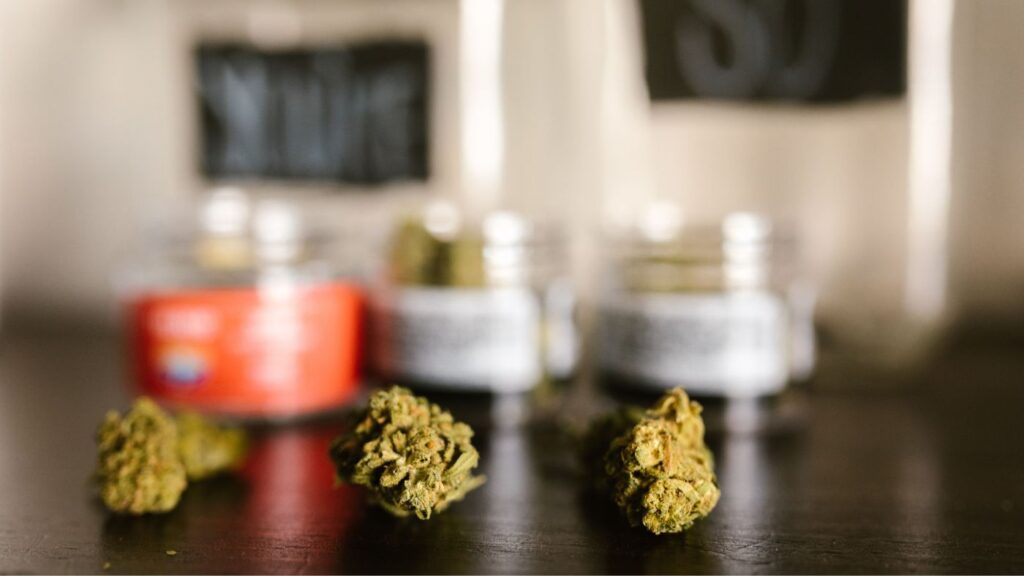
Three cannabis jars on a New York dispensary shelf with flower nugs displayed for comparison
Cannabis Business Plans and Strategies, Cannabis Consulting, Cannabis Operations and Optimization, Laws and Regulations, New York

How to Open a Dispensary in New York (2026): The Real Path Right Now

New York’s last adult-use application window closed in December 2023, and the Office of Cannabis Management (OCM) is still working through the roughly 7,000 applications it received then. That does not mean the door is shut – but it does mean the honest path into New York retail today looks very different from “fill out an application and wait.”

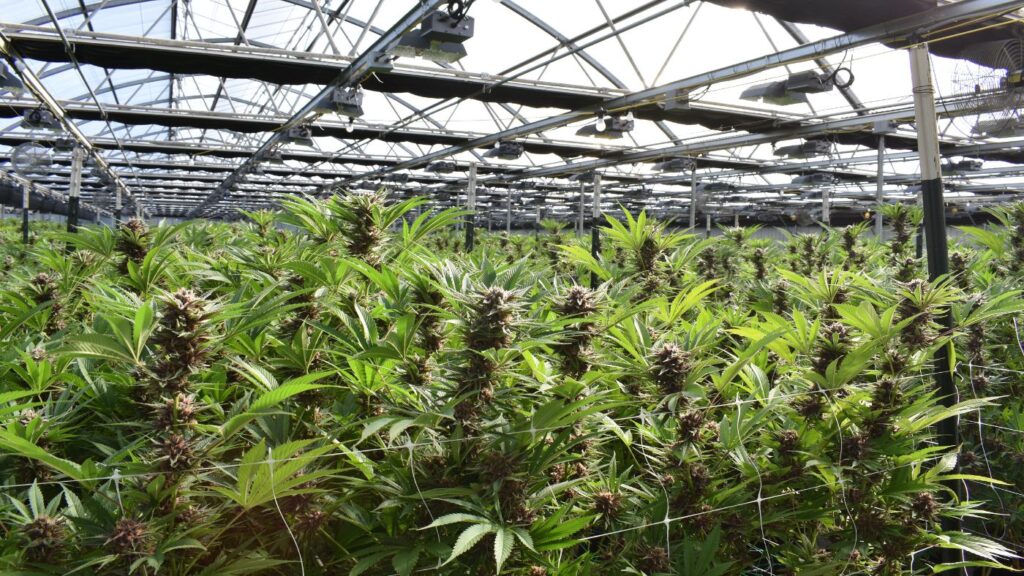
Flowering room in a commercial cannabis facility licensed under New York's cannabis license framework
Cannabis Business Plans and Strategies, Cannabis Consulting, Cannabis Operations and Optimization, Laws and Regulations, New York

New York Cannabis License (2026): The Complete Guide & Licensing Resource Hub

If you’re trying to understand how to get a cannabis license in New York in 2026, the first thing to know is that this is not a fresh application market. It is a fast-growing, heavily regulated market still working through the 2023 adult-use application queues while opening only narrow, targeted opportunities.

Customers viewing cannabis products through a display case at a Virginia dispensary.
Cannabis Business Plans and Strategies, Cannabis Consulting, Cannabis Operations and Optimization, Laws and Regulations, Virginia

How to Open a Dispensary in Virginia: The 2027 Retail Store License Guide

If you’ve been waiting for the chance to open a cannabis dispensary in Virginia, that chance is now real. With the General Assembly’s June 2026 approval of a regulated retail framework, Virginia is on track to begin adult-use sales on July 1, 2027, and the Cannabis Control Authority (CCA) is expected to open license applications on February 1, 2027.

Close-up of a resinous cannabis flower under grow lights in Virginia's 2027 cannabis license market.
Cannabis Business Plans and Strategies, Cannabis Consulting, Cannabis Operations and Optimization, Laws and Regulations, Virginia

Virginia Cannabis License 2027: The Complete Application Guide

After years of false starts, vetoes, and legislative stalemate, Virginia has enacted a framework for a regulated adult-use cannabis market. The Commonwealth already legalized adult possession and limited home cultivation in 2021; the 2026 action establishes the licensing, operating, tax, and enforcement structure needed for legal commercial sales. For prospective operators, the preparation period is now real – but the opportunity is more structured than a single statewide application opening.

Close-up of a large, mature cannabis flower nearing harvest in a licensed cultivation facility.
Cannabis Business Plans and Strategies, Cannabis Consulting, Cannabis Operations and Optimization, Laws and Regulations

Drawn in the Missouri Microbusiness Lottery – Now What? The 2026 Post-Draw Roadmap

Being drawn in the lottery feels like the finish line. In reality, it is the starting gun. The September 9, 2026 drawing will establish the order in which applications are reviewed – it will not identify final license winners. A drawn application is not an issued license, and an issued license is not an operating business. Between the draw and your first legal sale lies a sequence of application reviews, license-acceptance deadlines, facility development, compliance implementation, and regulatory approvals that determine whether your microbusiness actually opens and survives.

A cannabis cultivation professional in protective clothing inspecting a plant, representing the wholesale microbusiness license path.
Cannabis Business Plans and Strategies, Cannabis Consulting, Cannabis Operations and Optimization, Laws and Regulations, Missouri

Missouri Microbusiness: Dispensary vs. Wholesale – Which License Should You Choose? (2026)

You may apply for only one Missouri microbusiness license type, and you must choose before the application window closes on July 27, 2026. That decision – dispensary or wholesale – affects which district-and-license-type lottery set you enter, your capital requirements, your day-to-day operation, and the entire shape of your business.

A cannabis cultivation professional tending to live flowering cannabis plants in a licensed Missouri facility.
Cannabis Business Plans and Strategies, Cannabis Consulting, Cannabis Operations and Optimization, Laws and Regulations, Missouri

Missouri Microbusiness Eligibility (2026): Do You Qualify? The 5 Criteria Explained

A microbusiness entity must be majority-owned by individuals who each meet at least one qualifying criterion. This is not “the company qualifies” – it is “the people who own the majority of the company each personally qualify.” And under the 2026 rules, those eligible majority owners must do more than hold equity. They must genuinely own and operate the business, with real knowledge, control, and decision-making authority. Eligibility and control travel together; you cannot satisfy one and ignore the other.

Scroll to Top