

Estimated reading time: 4 minutes
Table of contents
Medical Georgia Cannabis License
In 2015, Georgia approved Haleigh’s Hope Act – a highly restrictive medical cannabis bill that permits patients with approved serious medical conditions to use medicinal cannabis. However, the medical cannabis bill only allows patients to use cannabis oil with a maximum of five percent THC, and it does not permit buying, selling, or transporting the oil. In 2019, Georgia’s General Assembly passed legislation that legalized licensed cannabis cultivation in Georgia and the conversion of the leaf into cannabis oil and the retail sale to eligible patients. A recent decision by the Georgia Access to Medical Cannabis Commission will propel Georgia’s medical cannabis industry forward.
On Nov. 23, 2020, the Commission voted to release a Request for Proposals (RFP) that opens up the licensing process for businesses seeking to cultivate and manufacture low-THC cannabis oil. The state will issue six total production licenses – two “Class 1” licenses and four “Class 2” licenses for indoor cultivation and manufacturing. Class 1 licenses are permitted to operate in up to 100,000 square feet of space, whereas Class 2 licensees will be limited to 50,000 square feet. Deadlines are fast approaching as applicants have until Dec. 28 at 2 PM EST to apply.
Class 1 applications require a $25,000 non-refundable application fee along with a $200,000 licensing fee and a $100,00 annual renewal fee. Class 2 applications require a $5,000 non-refundable application fee, along with an initial $100,000 licensing fee and a $50,000 annual renewal fee. In addition to application fees, applications must have a large cash bond payable to Georgia or an irrevocable line of credit issued within 30 days of licensure. For Class 1 licenses, the amount is $1.5 million, and for Class 2 licenses, the amount is $625,000. Once licensed, a business will have one year to become operational or their license can be revoked. Applications and information about the application process can be found on the GA Access to Medical Cannabis Commission website.
More on how we support Georgia operators: Georgia cannabis consulting.
Although Georgia’s medical cannabis program has taken a long time to develop and only has 14,000 registered patients, the application and licensing process is expected to be highly competitive and nuanced. Many entrepreneurs expect Georgia’s medical cannabis program to mature and become more progressive over time, eventually leading to a recreational cannabis market. The early bird gets the worm. Should this scenario play out, early licensees will likely have a significant competitive advantage in being first to market in a brand-new and highly lucrative industry.
Licenses are expected to be issued by March 2021. Once businesses are licensed to operate, it can take up to six months or longer before oil may become accessible to patients. Applications for dispensary licenses are not yet available. The long-term future of cannabis in Georgia remains hazy; however, the immediate future is prosperous. The Dec. 28 deadline is approaching quickly! It’s not too late. If you need last-minute support, subject matter expertise, facility design, board representation, or other assistance with the application process, contact us today!
Andy is an Operations Advisor at Catalyst BC.
Additional Resources
Consulting Services For Cannabis, Hemp, Psilocybin, and Natural Medicine
- Consulting Services Overview
- Business Strategy
- Financial Planning
- Cannabis, Hemp, Psilocybin, & Natural Medicine Licensing and Applications
- Facility Design
- StartUp Support
- Genetic Development
- Business Turnaround
- Operational Optimization
- Vertical Farming
- Controlled Environmental Agriculture (CEA)
- State and Country Services Directory
- Blog
- Home
Testimonials and Public Relations
Latest Articles
- How Much Does It Cost to Open a Dispensary in 2026?
 The allure of jumping into the legalized cannabis industry often paints a picture of quick riches and burgeoning demand, yet the reality of establishing a licensed cannabis dispensary is far more nuanced, capital-intensive, and fraught with unique financial challenges. For aspiring entrepreneurs and seasoned investors alike, understanding the true dispensary startup costs is the absolute bedrock of success.
 - Virginia Cannabis Facility Design & Build-Out for the 2027 Market
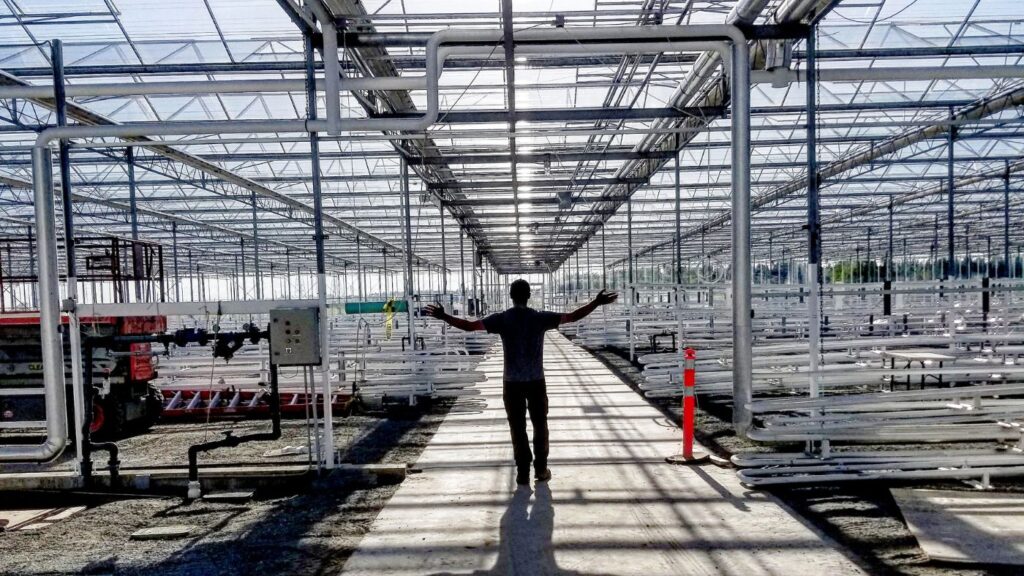 This guide covers the major considerations involved in planning and building a Virginia cannabis facility, with a focus on retail and cultivation operations and additional considerations relevant to processors and microbusinesses. It is written from the build side of the business, because that is where many otherwise-strong applicants stumble: they underestimate utility needs, local approvals, security infrastructure, commissioning, and the time required to convert a site into an inspection-ready operation.
 - Virginia Dual-Use Cannabis Conversion (2027): The $10M Medical-to-Adult-Use Pathway
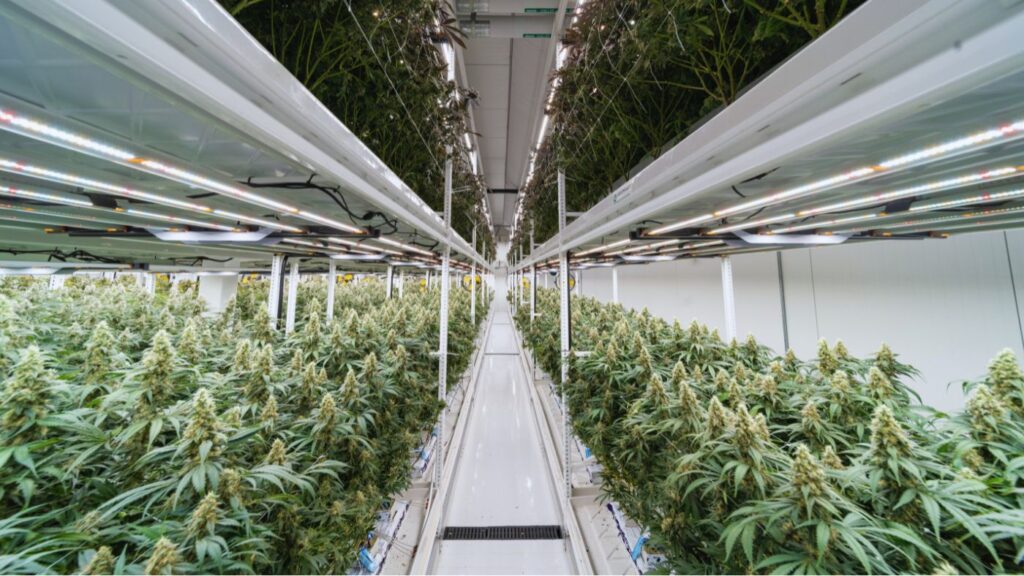 For Virginia’s existing medical cannabis operators, the 2026 retail framework created a distinct and high-stakes transition: pharmaceutical processors may apply for verification to exercise dual-use privileges and serve both registered medical patients and adult-use customers. The pathway covers the processor and its permitted cannabis dispensing facilities, and it carries a one-time $10 million fee, a required medical cannabis program preservation plan, an impact-licensee business accelerator commitment, and a firm May 1, 2027 payment or installment-plan deadline.
 - Virginia Impact Cannabis License (2027): Social Equity & the Equity Business Loan Fund
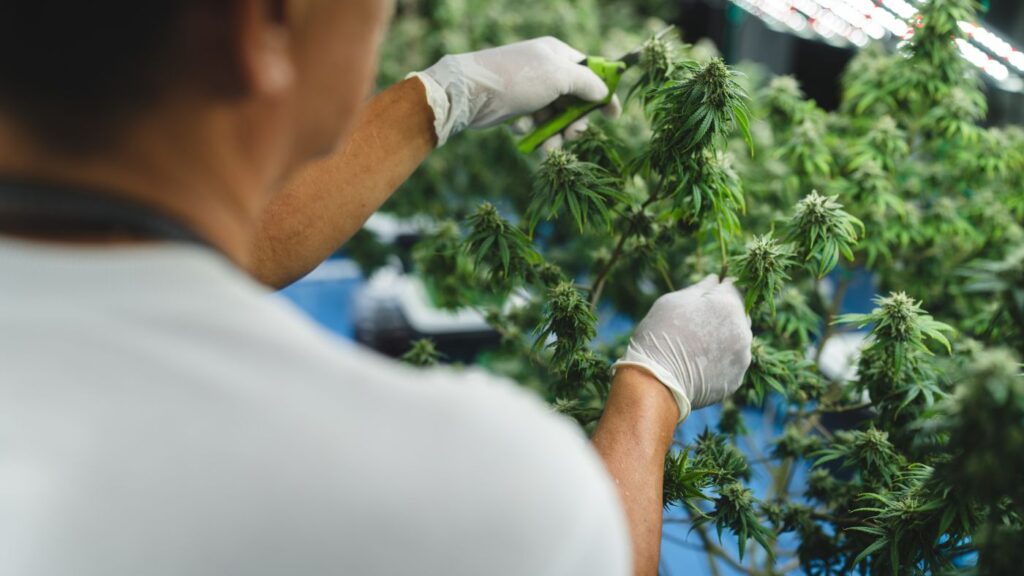 Virginia’s adult-use cannabis framework creates a meaningful pathway for applicants from communities and backgrounds affected by cannabis prohibition and enforcement. The law does not create a separate, stand-alone impact license. Instead, it creates an impact-licensee designation that qualifying applicants may pursue alongside an underlying marijuana establishment license, such as retail, cultivation, processing, microbusiness, transportation, delivery, or testing.
 - Virginia Cannabis Microbusiness License (2027): Eligibility & the Two-Location Model
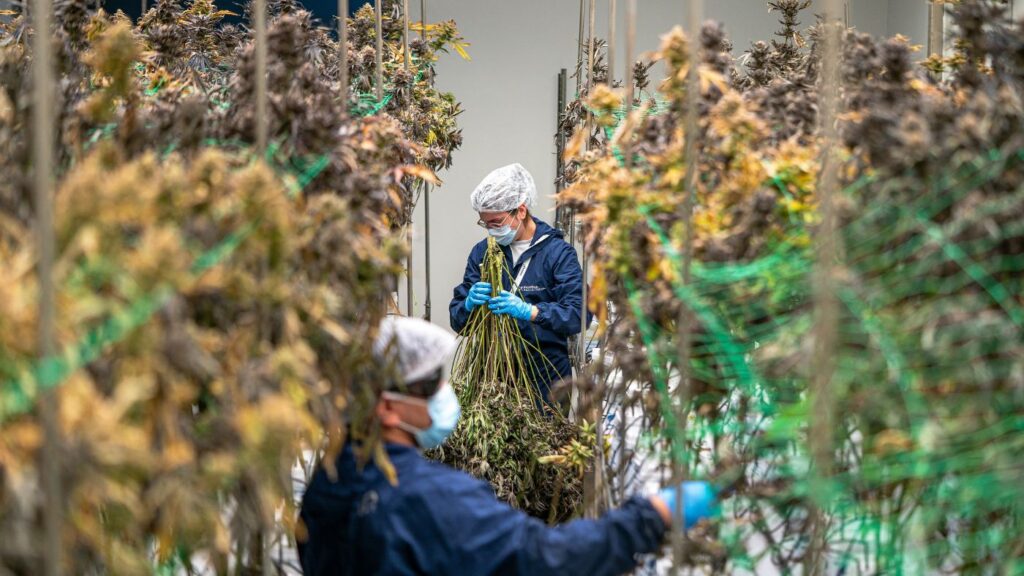 This guide explains the initial eligibility pathways for the licenses the CCA may issue by May 1, 2027, the difference between a microbusiness license and an impact designation, the indoor and outdoor cultivation limits, the precise rules governing two locations, and the financial, security, and operational readiness standards applicants should prepare to demonstrate. Several implementation details – including fees and the specific combination of privileges the CCA will authorize – still depend on forthcoming regulations.
 - Virginia Cannabis Cultivation License (2027): The Tiered System Explained
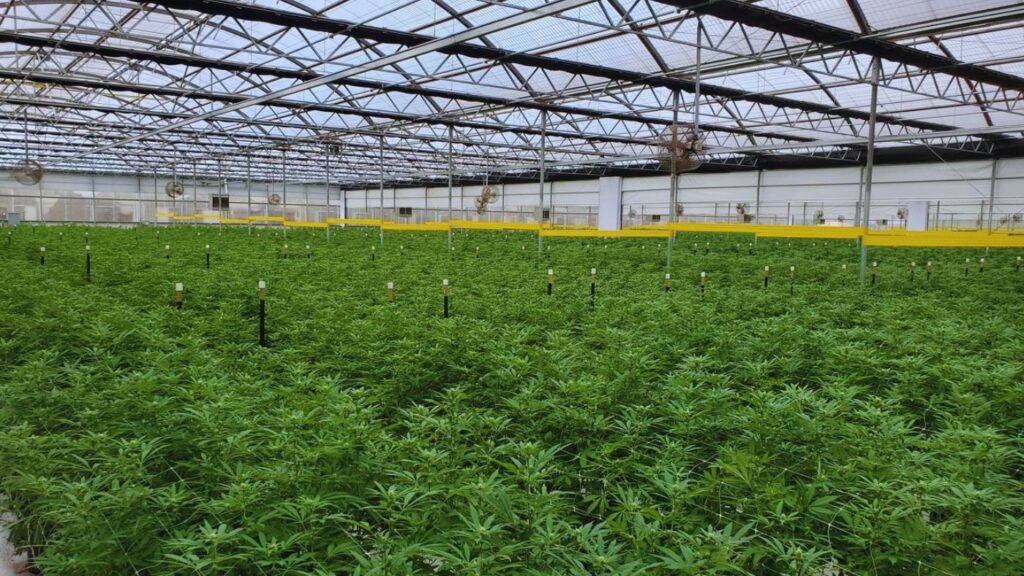 For operators whose strength is growing cannabis, Virginia’s emerging adult-use market presents a significant opportunity – and a cultivation license is the gateway to it. The June 2026 framework authorizes the Virginia Cannabis Control Authority (CCA) to begin accepting license applications on or after February 1, 2027 and issuing licenses on or after May 1, 2027. It also establishes five cultivation tiers with maximum canopies ranging from 5,000 to 35,000 square feet.
Explore Our Articles
cannabis applications Cannabis Bar Cannabis Business Optimization cannabis careers Cannabis Compliance Cannabis Consumption Cannabis Consumption Bar Cannabis Inventory Management Systems Cannabis Investors cannabis jobs Cannabis Legalization cannabis licensing Cannabis Lounge cannabis marketing Cannabis Operational Procedures cannabis outreach Cannabis Regulations Cannabis Security Cannabis Software Cannabis Startup Cannabis Supply Chain Cannabis Technology Colorado controlled environment agriculture Cultivation cultivation facility Dispensary Design facility design Financial Planning HVAC HVACD Iowa Kansas Legal Update Legislation Medical Cannabis Minnesota Natural Medicine Nebraska New York Odor Control Oregon Psilocybin Psychedelics Recreational Cannabis
Free Ebook – Start Your Own Legal Cannabis Business